Trending
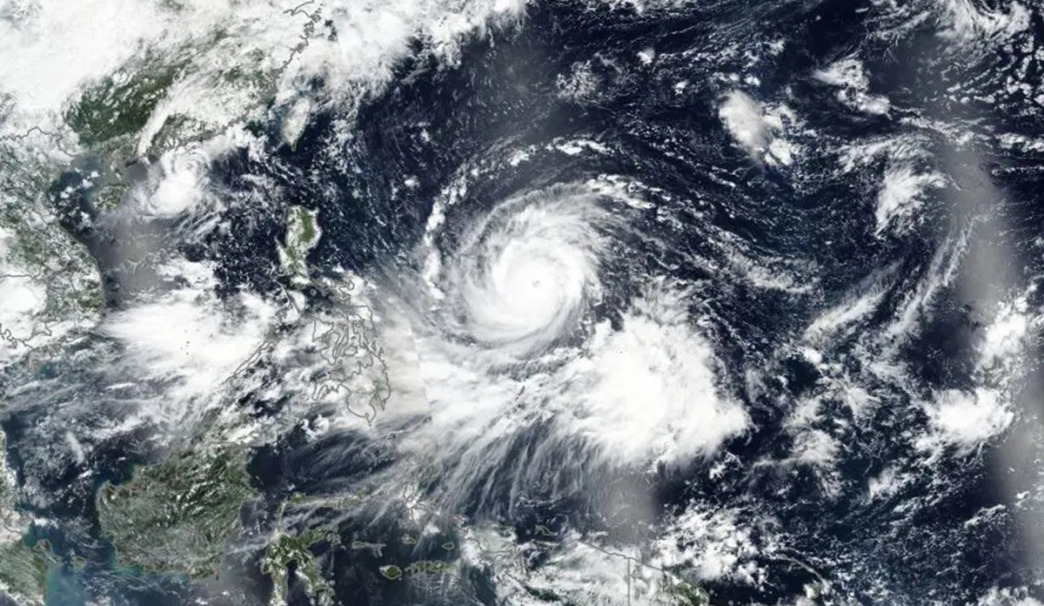
North Korea has issued warnings of heavy rain and strong winds as Typhoon Bavi approaches, with leader Kim Jong Un calling for maximum vigilance to minimise damage from the storm.
According to the state-run Rodong Sinmun newspaper on Tuesday, the typhoon is expected to weaken into a low-pressure system before crossing the country’s central region through the Yellow Sea between Tuesday and Wednesday.
The country’s weather agency forecast heavy rainfall and strong winds across several regions. Northern and central areas are expected to receive between 80 and 120 millimetres of rain, with downpours reaching 30 to 60 millimetres per hour, while southern regions could record up to 200 millimetres of rainfall.
Read More : Shettima Returns From UNGA 81
Winds of between 10 and 15 metres per second are also expected along the west coast and in some inland areas.
Kim urged government officials and workers to remain on high alert and take all necessary measures to reduce the impact of the storm, according to the newspaper.

State news agency KCNA reported last week that North Korea had intensified its disaster preparedness efforts ahead of the typhoon.
The storm has also affected neighbouring South Korea, where recent heavy rainfall forced hundreds of residents in Chungcheong Province to evacuate or left them stranded by flooding.
Local broadcaster KBS reported that a man in his 70s was swept away by a swollen river in the country’s southern Gyeongsang region.
South Korea’s weather agency has forecast more rain from Tuesday through Wednesday, with heavy downpours expected in central regions and the southern province of Jeolla.
Read More : Trump Offered China Arms Deal, Envoy Says
Scientists have linked the growing frequency and intensity of extreme weather events to climate change, while this year’s return of the El Niño weather pattern has heightened the risk of heatwaves, droughts and heavy rainfall across parts of Asia.
North Korea, which has weak infrastructure and chronic power shortages, remains particularly vulnerable to natural disasters.
In 2024, severe flooding devastated parts of the country’s northern region, although Pyongyang rejected South Korean media reports that suggested up to 1,500 people were dead or missing.