Trending
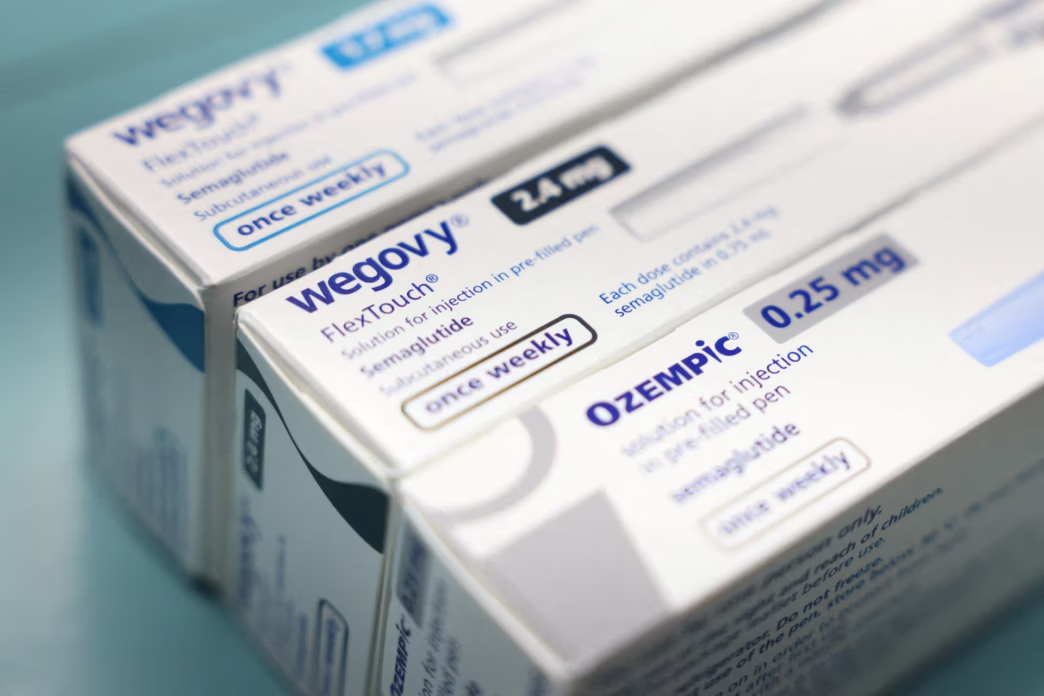
Danish drugmaker Novo Nordisk announced on Tuesday that it will slash the U.S. list prices of its hit medications, Wegovy and Ozempic, by up to 50% starting January 1, 2027.
The move will bring the monthly cost for Wegovy, Ozempic, and the oral tablet Rybelsus to a uniform $675.
This decision is aimed at reaching over 100 million Americans living with obesity and diabetes, particularly those in high-deductible health plans who are most impacted by high retail “sticker” prices.
The price cuts come as Novo Nordisk faces an increasingly difficult 2026.
The company recently issued a rare profit warning, projecting its first sales decline in years due to “pricing erosion” in the U.S. and the loss of patent exclusivity in markets like China and Brazil.
This pressure was compounded by a “worst-case scenario” in clinical trials, where Novo’s next-generation drug, CagriSema, failed to match the weight-loss efficacy of Eli Lilly’s rival drug, Zepbound.
The trial results led some analysts to label Novo’s pipeline “obsolete,” causing the company’s stock to plummet to a four-year low.
Political and regulatory factors have also played a significant role in this pricing reset.
In late 2025, Novo Nordisk struck a deal with the Trump administration to lower costs in exchange for broader Medicare coverage for obesity treatments.
Furthermore, the company has been locked in legal battles with “compounding” pharmacies and online providers like Hims & Hers, which have been selling cheaper copycat versions of the drugs during recent supply shortages. By lowering its official prices, Novo hopes to reclaim market share from these unauthorised alternatives.
While the price reductions are a victory for patient affordability, investors remain concerned about the company’s long-term growth.
Shares in Novo Nordisk fell another 3.8% in Copenhagen following Tuesday’s news, as the market reacted to the reality of lower profit margins in a hyper-competitive GLP-1 sector.
Despite the setbacks, Novo executives maintain that the price cuts are the “best approach” to sustain their leadership in the U.S. healthcare system, which is rapidly evolving under new federal pricing policies.