Trending
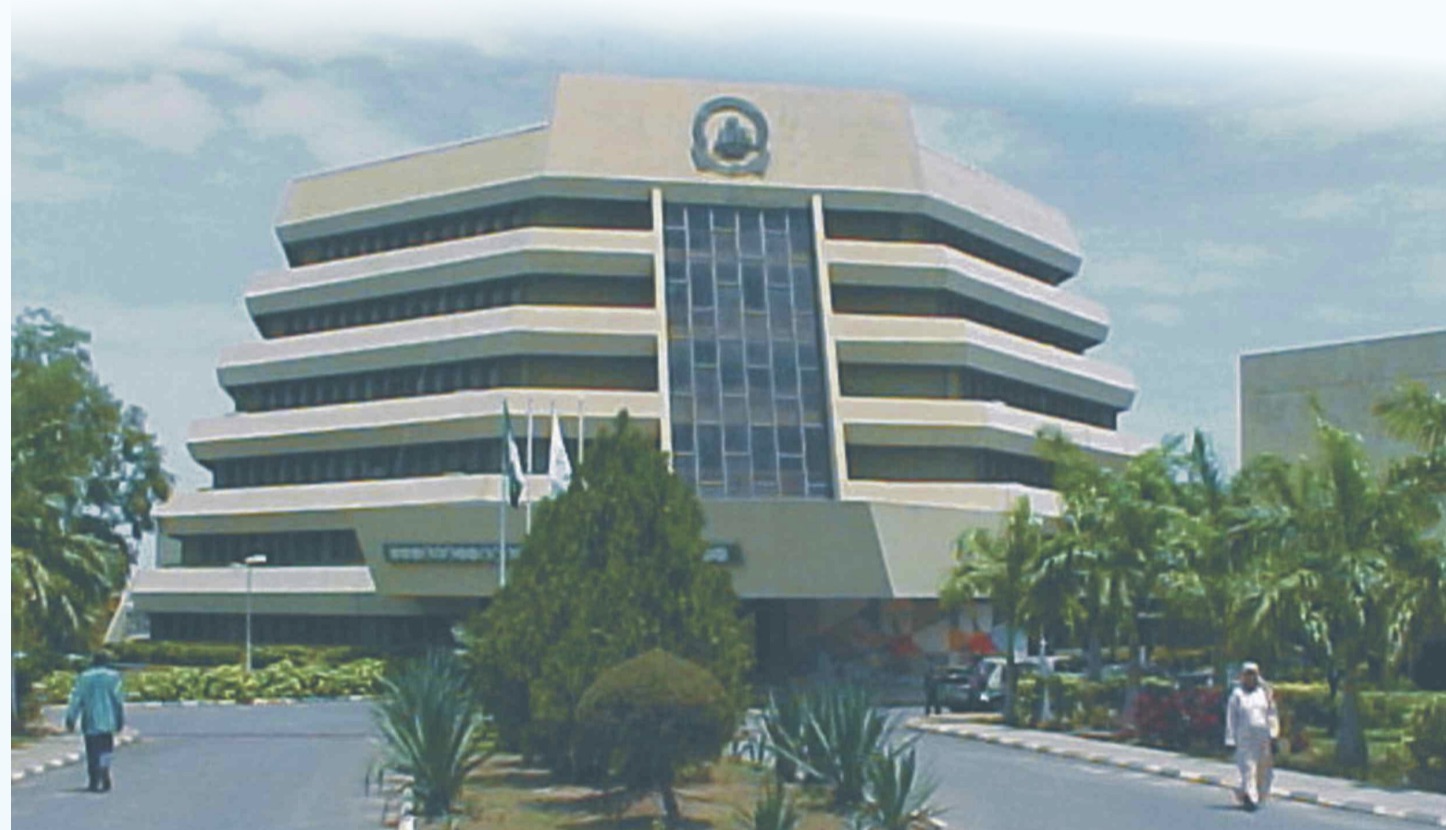
Nigeria’s leading higher education regulator, the National Universities Commission (NUC), has launched a nationwide recruitment drive to fill various job openings at its headquarters in Abuja.
In a public notice, the Commission invited applications from qualified Nigerians for positions across its officer, confidential secretary, and clerical or auxiliary staff cadres.
Interested candidates are required to visit the Careers Portal via careers.nuc.edu.ng or nuc.edu.ng for full application guidelines.
The NUC emphasised that applications are free and must be submitted within six weeks of the announcement. Only shortlisted candidates will be contacted for the next stage of the recruitment process.
For the officer cadre, vacancies include Senior Officer (CONTISS 9), Trainee/Officer I (CONTISS 8), and Trainee Officer II (CONTISS 7).
Applicants for the Senior Officer post must possess a PhD in a discipline relevant to the Commission’s mandate or a Master’s degree with at least six years of post-qualification experience. Additional professional credentials will be considered an advantage.
Trainee/Officer I candidates must have a master’s degree or a first degree plus three years’ relevant experience, while Trainee Officer II applicants require a first degree in a related field, with extra professional qualifications seen as a plus.

The Commission is also hiring Confidential Secretary I (CONTISS 7) staff, requiring a Higher National Diploma in Secretarial Studies and a minimum of three years’ post-qualification experience.
Clerical and auxiliary roles include Assistant Cameraman, Data Processing Assistant, Artisan/Craftsman (such as carpenter, plumber, electrician, and air-conditioning mechanic), Lift Operator, and Motor Driver/Mechanic. Minimum qualifications range from a First School Leaving Certificate to an ‘O’ Level certificate with trade test credentials, alongside relevant technical training or experience.
Established in 1962 and granted statutory powers in 1974, the NUC oversees university accreditation, the approval of new institutions, and the maintenance of standards across Nigeria’s 283 recognised universities, which include 72 federal, 67 state, and 168 private institutions.