Trending
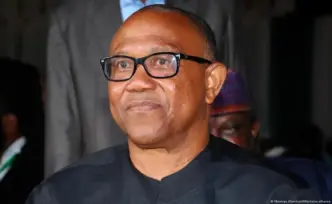
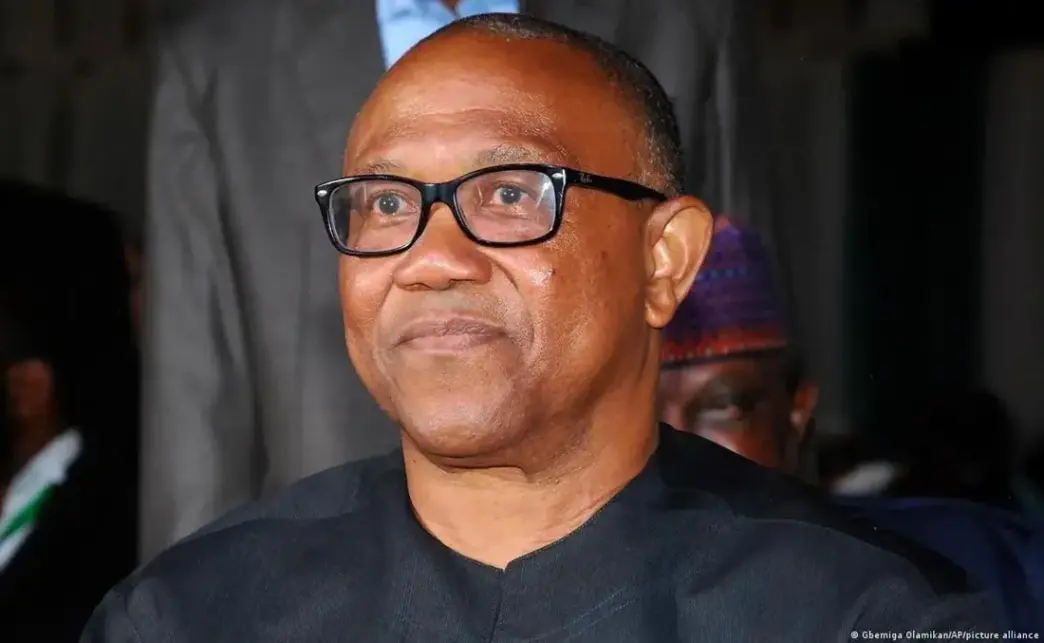
Peter Obi, Labour Party 2023 presidential candidate, has called on the Nigerian Government to publish the full text of the reported tax cooperation Memorandum of Understanding (MoU) between Nigeria and France and clearly explain its purpose and benefits.
Obi said it was imperative for the government to disclose the agreement, explain its rationale, and outline the mutual benefits, “particularly the tangible advantages Nigeria stands to gain.”
“Any agreement or policy initiative that lacks transparency, public confidence, and clearly defined, measurable benefits risks further eroding trust in government,” Obi wrote on X on Wednesday.
“It is therefore imperative that the Federal Government publishes the full MoU, clearly explains its rationale, and outlines the mutual benefits – particularly the tangible advantages Nigeria stands to gain.”
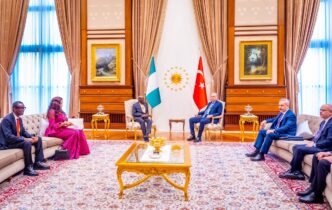
Last week, Nigeria’s Federal Inland Revenue Service (FIRS) signed a memorandum of understanding (MoU) with France’s tax authority to improve digital tax administration.
Obi, a former governor of Anambra State, said it was worrisome that an agreement of such significance appeared to have been concluded without the full terms being made public or a clear effort to explain its objectives, scope, and expected outcomes to Nigerians.
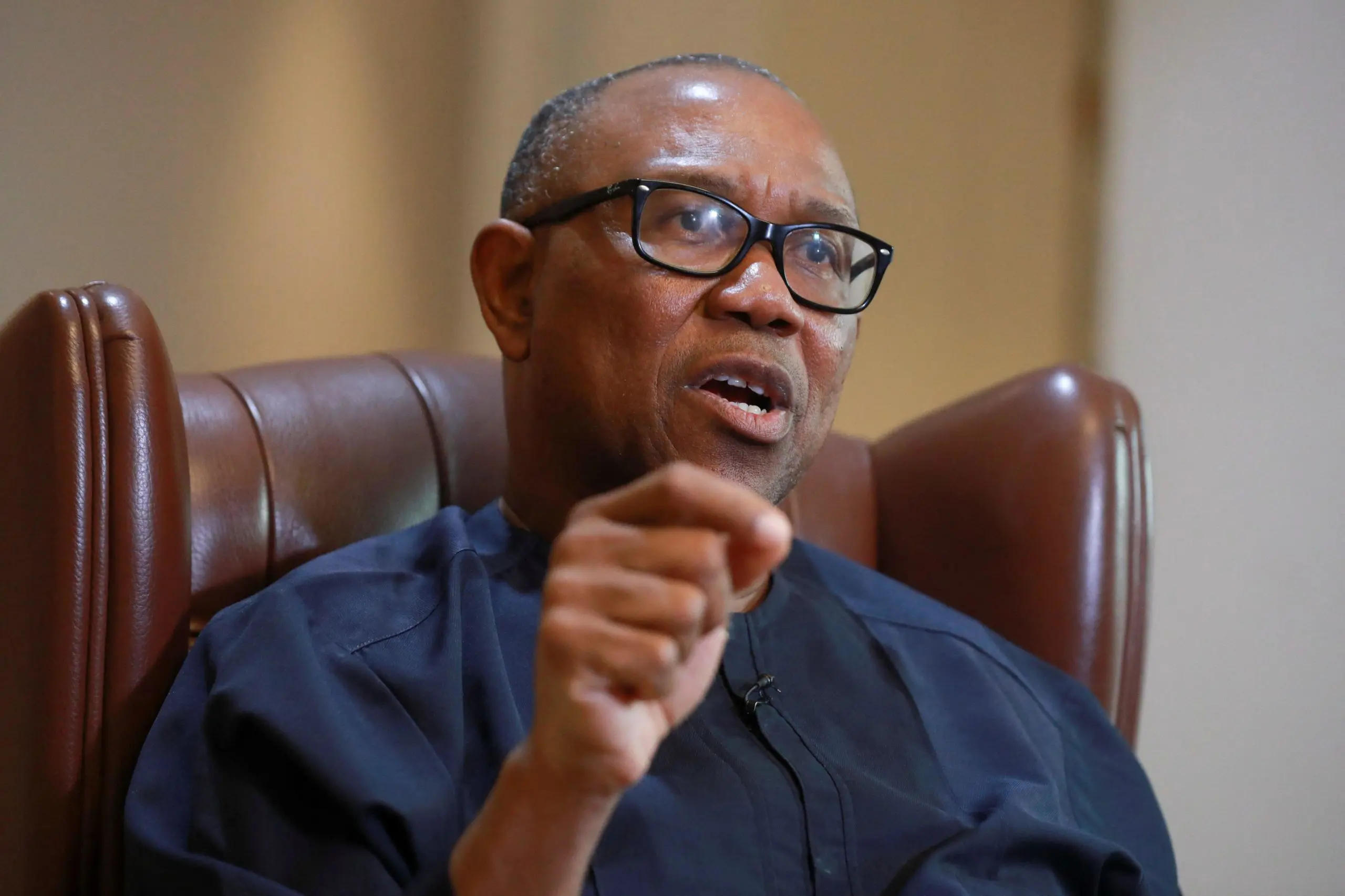
“Transparency is essential in matters that directly affect public revenue and institutional credibility,” Obi said, adding that Nigerians deserve to understand how the agreement would affect them.
While not opposing international cooperation, Obi said the government should explain why external expertise was necessary, what gaps it was meant to fill, and why similar capacity could not be leveraged locally.
“That said, I am not opposed to engaging foreign expertise. However, such engagements must be clearly justified, with a transparent explanation of the specific gaps they are intended to fill, why those gaps cannot be addressed locally, and, above all, the concrete benefits to Nigerians,” he added.
“This is especially important because Nigeria is not lacking in tax expertise. The country has a strong pool of qualified tax professionals, advisory firms, and globally recognised consultancies already operating locally, with the capacity to support tax reform and modernisation.
“In light of this, it is reasonable for Nigerians to question why external partnerships are made a priority instead of strengthening and leveraging existing local capacity. Sustainable reform should build institutions from within.”