Trending
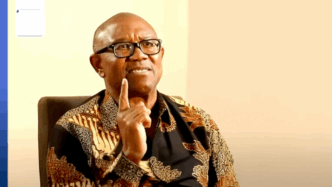
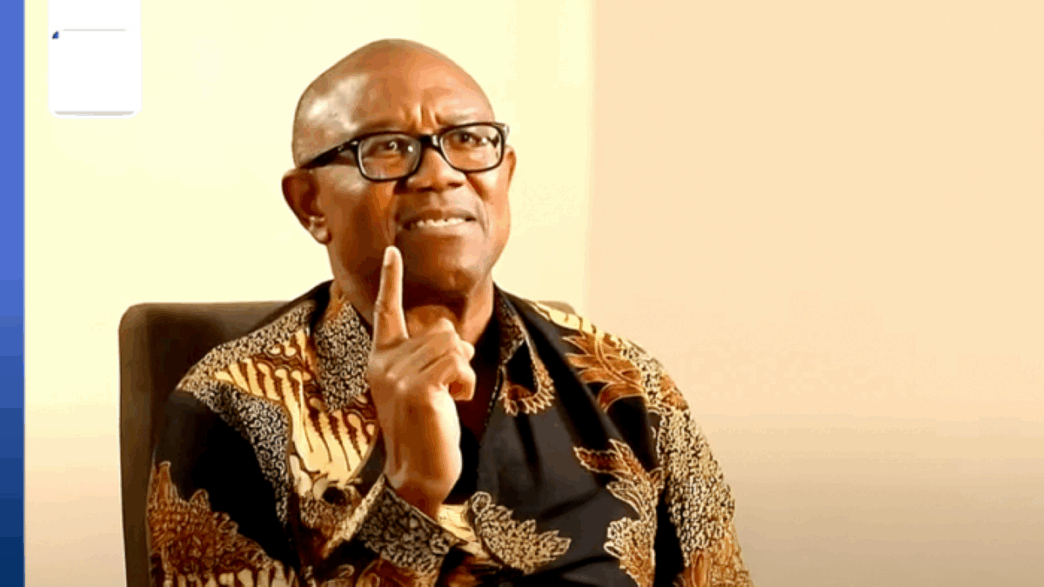
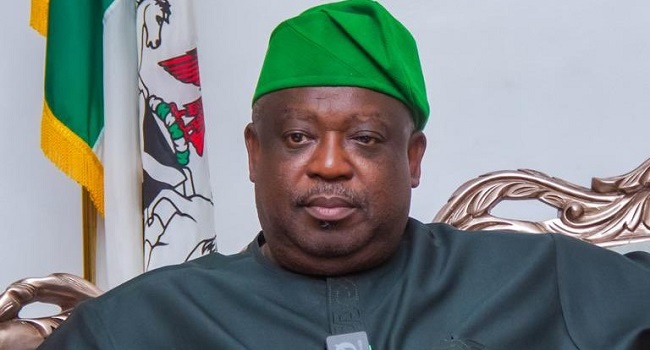
Former presidential candidate and ex-governor Peter Obi has raised alarm over Nigeria’s escalating debt, now pegged as the third largest debtor to the World Bank, with obligations estimated at $18.7 billion.
While he acknowledges that borrowing itself is not inherently problematic, Obi argues that the real issue lies in how these loans are utilised.
He pointed to Bangladesh as an example of how borrowing, when channelled into productive sectors, can stimulate growth. According to him, in 2015, Bangladesh’s nominal GDP stood at $195 billion, with per capita income of just over $1,200. Fast forward to 2024, and the country’s economy has expanded to over $460 billion, with per-capita income more than doubling to $2,700. This remarkable growth, Obi says, is the result of strategic investments in sectors such as manufacturing, textiles, energy, and human capital.

In contrast, Nigeria’s story since 2015 has been disheartening. Despite borrowing heavily, Nigeria’s GDP has shrunk from around $490 billion to approximately $250 billion, and per capita income has plummeted to between $850 and $1,000. Obi attributes this decline to weak productivity, currency instability, and pervasive corruption, which have hindered economic progress.
“The real problem is not the amount of borrowing, but how the funds are used,” Obi said. “Debt used for infrastructure, industry, and human development drives growth; debt misused for consumption and corruption deepens stagnation.”
Obi concludes that a new Nigeria, where loans are used to foster productivity and growth, is still achievable.