Trending
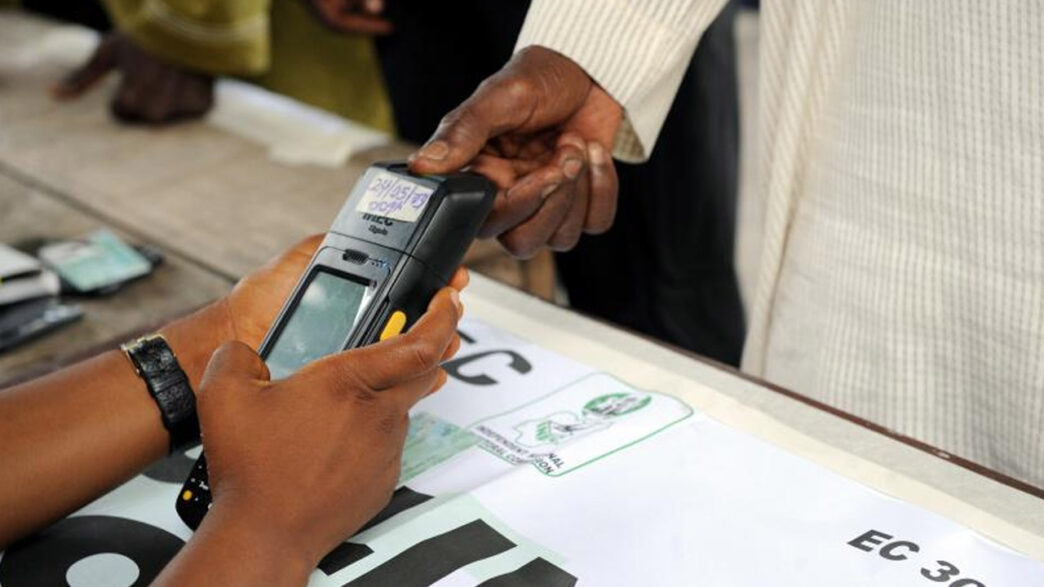
Media analyst Yinka Ogunnubi has raised concerns about Nigeria’s electoral process, arguing that several political and institutional structures continue to limit voters’ power.
Speaking on Thursday on NewsCentral TV’s programme, A Place at the Table (APATT) themed “A Rigged System: Is the System Designed to Fail?”, Ogunnubi said Nigeria’s electoral process is shaped by systems that ordinary citizens have little influence over.
“INEC, as of today, has not been able to sanction one single party.”@yinkanubi says Nigeria’s elections are shaped less by voters and more by powerful systems that influence outcomes ahead of election day. pic.twitter.com/8KrTJeYABj
Read More : Tinubu Ends Vacation, Heads to Lagos
— News Central TV (@NewsCentralTV) June 25, 2026
According to him, political parties, money, electoral administration and the justice system all play major roles in determining election outcomes before voters cast their ballots.
“On paper, power flows upwards from the people. In practice, it passes through systems the people don’t control,” he said.
Ogunnubi pointed to party primaries as one of the major challenges, noting that indirect primaries have often allowed a small group of delegates to decide candidates on behalf of millions of voters.
He acknowledged reforms in the Electoral Act but argued that consensus arrangements and delegate politics still influence candidate selection.

The analyst also criticised the high cost of politics, saying expensive nomination forms and campaign spending favour wealthy aspirants.
“When nomination forms cost tens of millions and political campaigns billions more, the contest is already settled by the highest bidders long before a single vote is cast,” he said.
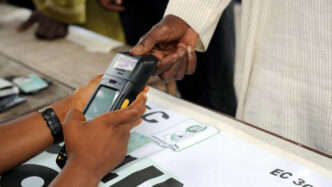
Ogunnubi further questioned the independence of electoral institutions, noting that key officials of the Independent National Electoral Commission (INEC) are appointed through a political process.
“How independent can a referee be when he holds a seat to one of the players?” he asked.
He also highlighted concerns about election-day logistics, vote-buying, and post-election court battles, arguing that these factors weaken public confidence in democracy.
Read More : Court Sentences Four To Death in Edo
“When every system is captured — whether it is the party, money, the umpire, the ballot, and the court — we must consider the possibility that the system may not be broken. It may actually be working exactly as it was designed,” he said.
Ogunnubi concluded by urging Nigerians to reflect on reforms ahead of the 2027 elections.
“The real question for 2027 is whether we have the courage to redesign it,” he added.