Trending
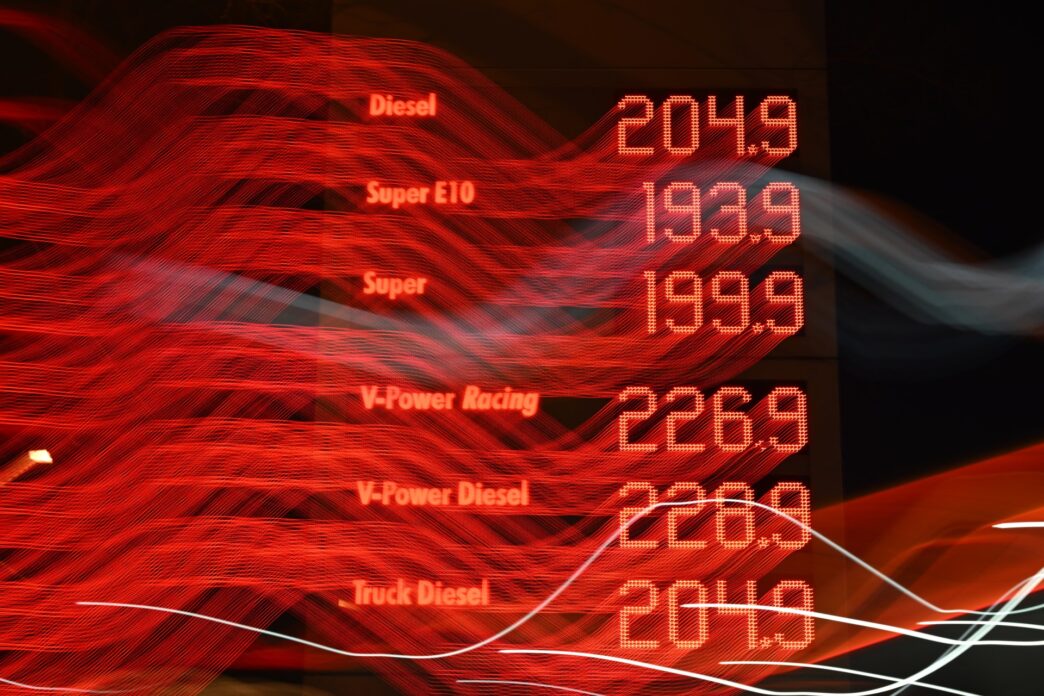
Global oil markets recorded a sharp decline on Wednesday, as renewed diplomatic signals between the United States and Iran eased fears of prolonged disruption to crude supply.
Brent crude, the international benchmark, fell by nearly six per cent, trading at $98.30 per barrel at around 0030 GMT. Similarly, the US benchmark, West Texas Intermediate (WTI), declined by 5.01 per cent to $87.72 per barrel. The downturn reflects a rapid shift in market sentiment, driven by geopolitical developments rather than changes in supply fundamentals.
The price movement follows confirmation that US President Donald Trump has sent a peace proposal to Iran, expressing optimism about ending nearly a month-long conflict.
In response, Tehran indicated a willingness to de-escalate tensions, announcing that it would allow “non-hostile” oil vessels to pass through the Strait of Hormuz, a critical chokepoint for global energy shipments.
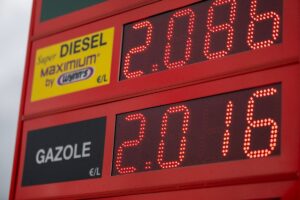
This development is significant, given that the Strait of Hormuz handles a substantial portion of the world’s oil exports. Any threat to its accessibility typically drives prices upward due to supply concerns. However, Iran’s assurance has temporarily reduced those risks, prompting traders to reassess their positions.
Despite these diplomatic overtures, tensions in the region remain unresolved.
An Iranian missile strike reportedly caused injuries in Israel, while Israeli forces have continued military operations across multiple fronts and signalled intentions to expand control in parts of southern Lebanon. These incidents underscore the fragile nature of the current situation.
Financial markets in Asia reacted positively to the easing oil concerns. Japan’s Nikkei index and South Korea’s Kospi both gained more than three per cent, reflecting improved investor confidence tied to lower energy costs and reduced geopolitical uncertainty.
The decline in oil prices also comes just a day after a surge driven by fears of escalation. With traders now pricing in the possibility of a negotiated settlement, volatility is expected to persist as developments unfold.