Trending
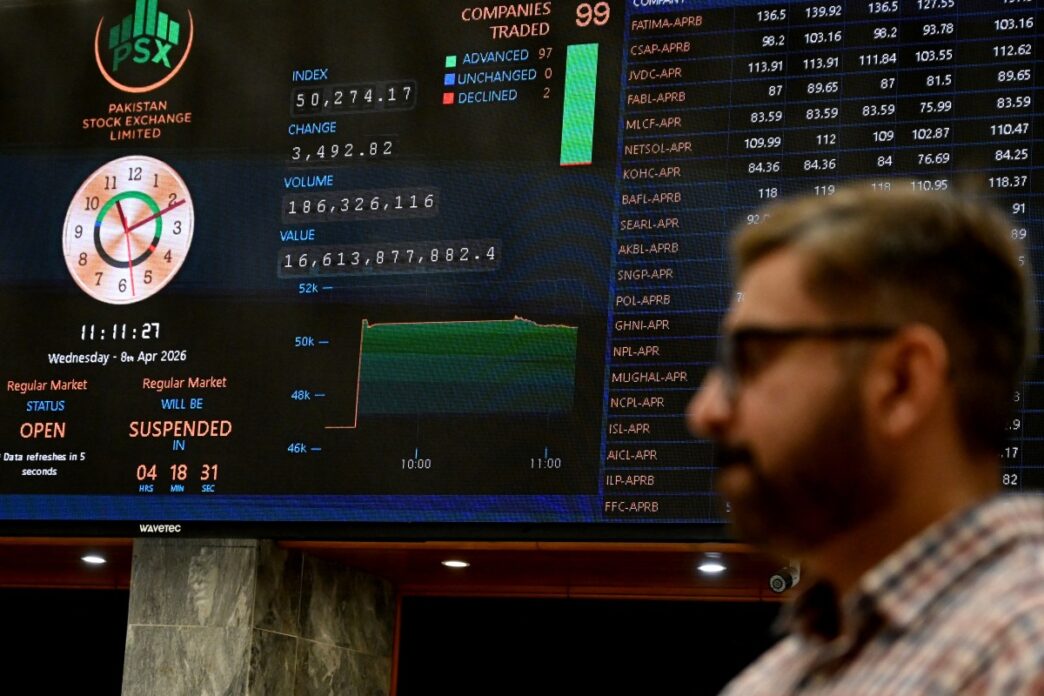
Oil prices surged, and stocks plummeted on Monday after US-Iran peace talks collapsed and President Donald Trump announced a blockade of the strategic Strait of Hormuz, escalating fears over Middle East energy supplies.
The failed negotiations, held in Islamabad over the weekend, saw US Vice President JD Vance accuse Iran of refusing to abandon its nuclear programme, while Iran hit back at what it called “maximalism, shifting goalposts, and blockade”. These breakdowns dashed hopes for an imminent end to the six-week conflict, which has driven oil prices to alarming heights and added to inflationary pressures around the world.
Following the failed talks, oil prices jumped more than eight per cent, with both Brent and West Texas Intermediate contracts soaring above $100 a barrel. The surge in crude prices came after a slight dip last week, when the US and Iran had agreed to a temporary ceasefire.
Meanwhile, global stock markets took a hit, with major indices in Tokyo, Hong Kong, Seoul, Sydney, and Mumbai all in the red. However, shares in Hungary rose after conservative Peter Magyar ousted Prime Minister Viktor Orban in a landslide election victory.
In a social media post, President Trump confirmed the US would begin blocking all ships attempting to enter or leave the Strait of Hormuz. “Any Iranian who fires at us, or at peaceful vessels, will be BLOWN TO HELL!” Trump declared on Truth Social. The blockade will specifically target vessels travelling to or from Iranian ports, and the US military is expected to seize control of the maritime traffic from 1400 GMT on Monday.
Iran’s Revolutionary Guards swiftly responded, claiming full control over the strait and warning that any enemy action would result in a “deadly vortex”. Iran’s navy chief dismissed Trump’s threat as “ridiculous and funny”.
Despite the tensions, Iran’s Foreign Minister Abbas Araghchi said the two sides had been “inches away” from a deal but blamed the collapse on “maximalism” from the US.
Analysts are now forecasting continued uncertainty in the oil market. Malcolm Melville of Schroders warned that, even if a peace deal eventually materialises, oil prices would likely remain elevated due to the significant disruption in production levels.
Though the collapse of the talks represents a setback, some analysts, like Saxo Markets’ Charu Chanana, suggest that negotiations may resume, noting that the two sides were reportedly close on certain points.
Investors are also watching the ongoing conflict between Israel and Hezbollah. Lebanese Prime Minister Nawaf Salam stressed his commitment to pushing for Israeli withdrawal and rebuilding efforts, while regional instability continues to fuel inflationary fears, especially after a spike in US consumer prices.