Trending
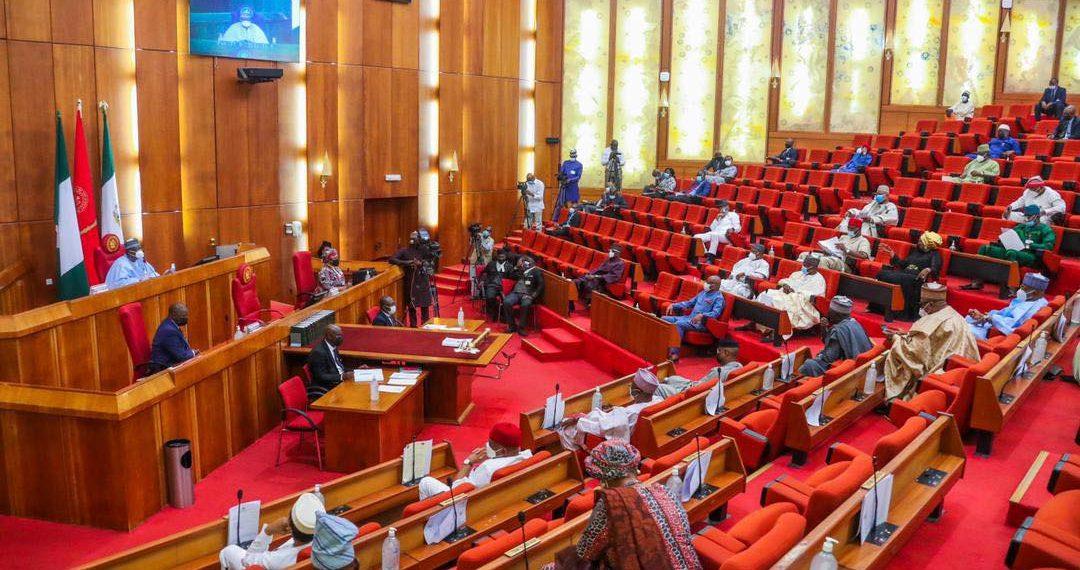
The Organised Private Sector of Nigeria (OPS) has called on the National Assembly to withdraw the proposed amendment to the Customs, Excise and Tariff Bill, warning that the draft in its current form contradicts the Nigerian government’s fiscal reform agenda and poses a serious risk to key non-oil industries.
The group made its position known in a memo presented during a public hearing held on Thursday, November 27, 2025, following the bill’s passage through second reading in the National Assembly.
OPS, which represents major business groups including the Nigerian Association of Chambers of Commerce, Industry, Mines and Agriculture (NACCIMA), the Manufacturers Association of Nigeria (MAN), the Nigeria Employers’ Consultative Association (NECA), the National Association of Small and Medium Enterprises (NASME), and the National Association of Small Scale Industrialists (NASSI), said the amendment introduces multiple flaws that could destabilise Nigeria’s already fragile excise system.
According to the private sector coalition, the proposed changes contain “mathematical, legal and administrative contradictions” that could worsen the country’s fragmented tax structure.
It argued that new levies are often imposed without proper evaluation of their combined impact on investment, production, employment, inflation, exports and local sourcing of raw materials.
OPS warned that the bill, as currently drafted, is misaligned with the Nigerian government’s ongoing tax and fiscal reforms.
It said the proposed framework threatens to undermine policy coherence, especially at a time when the administration is pushing for stability, simplicity and predictability in the business environment.
While noting that manufacturers in the non-alcoholic beverage segment support public health objectives and responsible taxation, OPS insisted that government policies must be properly coordinated to avoid damaging industrial growth, job creation and consumer affordability.
The group stressed that a sharp increase in excise or the introduction of new levies, as proposed under the bill, could impose high costs on businesses and households without producing measurable health benefits.
The coalition cautioned that Nigeria’s beverage industry, a major contributor to non-oil revenue, could be severely affected through rising production costs, lower capacity utilisation and increased retail prices.
It warned that such developments could push more citizens into financial hardship while shrinking formal business activity.
OPS also highlighted the strategic importance of the non-alcoholic drinks sector, which it said supports about 1.5 million jobs, drives backward integration under the National Sugar Master Plan II and contributes between 40 and 45 per cent of gross revenue through taxes.
It noted that the sector is already operating under intense macroeconomic pressure and narrow profit margins.
Industry leaders further warned that the proposed amendment could ultimately reduce Value Added Tax (VAT) and Corporate Income Tax (CIT) collections, weakening medium-term allocations from the Federation Accounts Allocation Committee (FAAC) and disturbing revenue flows to states.
The group criticised lawmakers for pushing the amendment forward without meaningful engagement with key institutions, including the Ministry of Finance, the Presidential Fiscal Policy and Tax Reform Committee and FAAC.
OPS argued that the bill contradicts President Bola Tinubu’s stated commitment to non-disruptive tax reform and an investment-friendly environment.
It also pointed to clauses such as the proposed “20 per cent levy per litre of retail price,” which it described as technically unclear and practically impossible to apply consistently.
OPS warned that excessive or poorly designed taxation could encourage informal trading, reduce compliance and ultimately weaken government revenue.
Drawing on global and domestic research, the group said sharp increases in taxes on sugar-sweetened beverages in low-income economies have often triggered job losses, MSME contraction, declining revenues, and little to no improvement in public health indicators.
Despite its opposition to the current draft, OPS said it remains open to constructive engagement with lawmakers, fiscal authorities and civil society to develop a more effective and coherent excise regime that balances revenue, public health and economic growth.