Trending
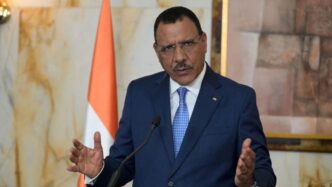
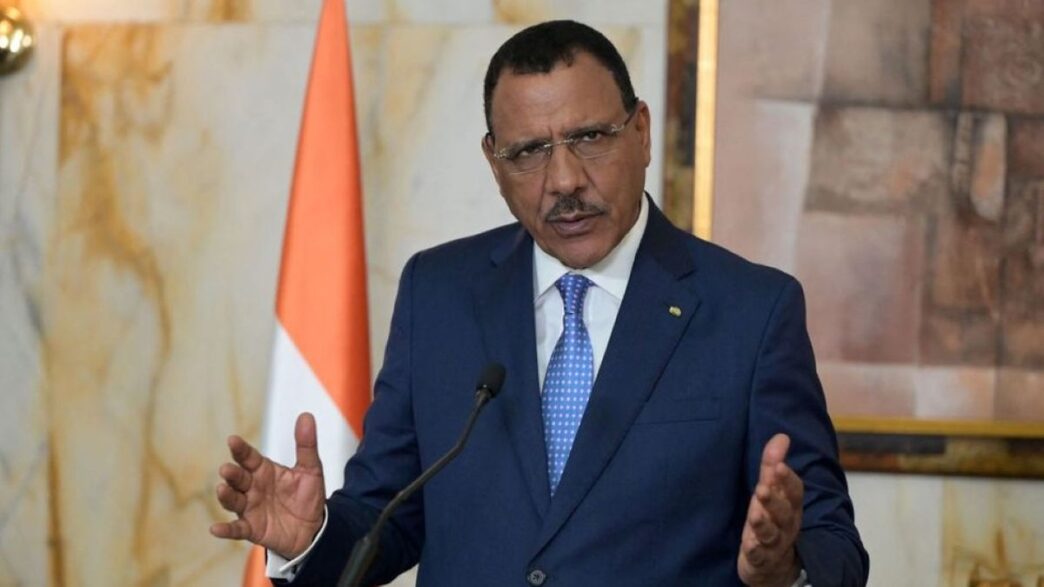
Mohamed Bazoum’s presidential term officially ends Thursday, but the future for Niger’s ousted leader remains highly uncertain.
Having been overthrown by a military junta led by General Abdourahamane Tiani on July 26, 2023, Bazoum, who was democratically elected in 2021, faces little prospect of freedom or even a trial.
Bazoum, 66, was sworn in as president on April 2, 2021, after securing 55 per cent of the vote. However, since the coup, he has been detained in a wing of the presidential palace in Niamey with his wife, and his attempts to resume office have been blocked.
Bazoum has refused to step down, with his lawyers asserting that his term was effectively interrupted, and the clock on his presidency did not resume after the coup.
“His term was interrupted and did not resume. If Mr Bazoum returns to power tomorrow, the duration of his detention will not be taken into account in the exercise of his duties.” Moussa Coulibaly, a member of Bazoum’s legal team, argued.
This position raises a significant legal question: which law prevails, the one before the coup, or the new military charter that has been in place since March 2024?
The junta, which has enforced its rule through a new charter, has adopted a five-year renewable term. This move, alongside the ongoing lack of elections, creates an uncertain legal landscape, where it remains unclear whether the old constitution or the new military-led framework prevails.
Despite its authoritarian rule, the Nigerien junta is not entirely isolated on the international stage. Relations with France, the former colonial power, and the European Union have been strained, particularly after the European Parliament adopted a resolution demanding Bazoum’s immediate release.
Meanwhile, the junta’s relations with Russia have strengthened, and it recently resumed security cooperation with the United States, despite a previous expulsion of U.S. troops. The international pressure is evident, but its effectiveness remains uncertain.
Although Bazoum’s presidential immunity was lifted in 2024, his lawyers believe the official end of his term will not hasten any judicial proceedings.
Mohamed Seydou Diagne, another of Bazoum’s lawyers, noted that for the junta, the issue is more about security than law.
“What matters to them is that President Bazoum serves as a human shield,” he said, referencing potential interventions by West African nations.
After nearly three years of detention, Bazoum’s living conditions remain harsh. According to his lawyer, Coulibaly, “He’s still held in the same place and in the same conditions”, isolated with no windows or doors, and allowed only limited visits, primarily from his doctor.
With international calls for his release intensifying and Bazoum’s future in limbo, the uncertain political and legal situation in Niger continues to raise significant questions about the future of democracy in the country.