Trending
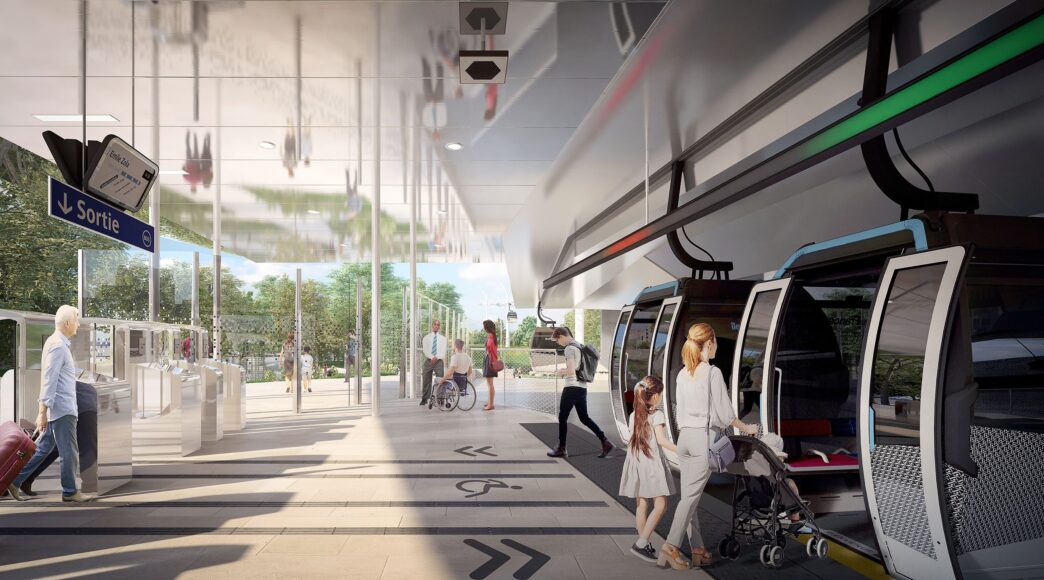
The Paris region unveiled its first urban cable car, with gondolas gliding above the southeastern suburbs of the French capital for the first time on Saturday.
The new C1 line was officially inaugurated in Limeil-Brevannes by regional president Valérie Pécresse, alongside local mayors from the towns served by the route.
Stretching 4.5 kilometres, the line links Créteil with Villeneuve-Saint-Georges, passing through Limeil-Brevannes and Valenton.
Designed to improve transport links in previously underserved areas, the cable car connects neighbourhoods to Paris Metro Line 8.
The system is expected to carry around 11,000 passengers each day, using 105 gondolas. Each cabin can seat up to 10 passengers.
A full journey along the route takes approximately 18 minutes, significantly reducing travel time compared with the 40 minutes typically required by bus or car.
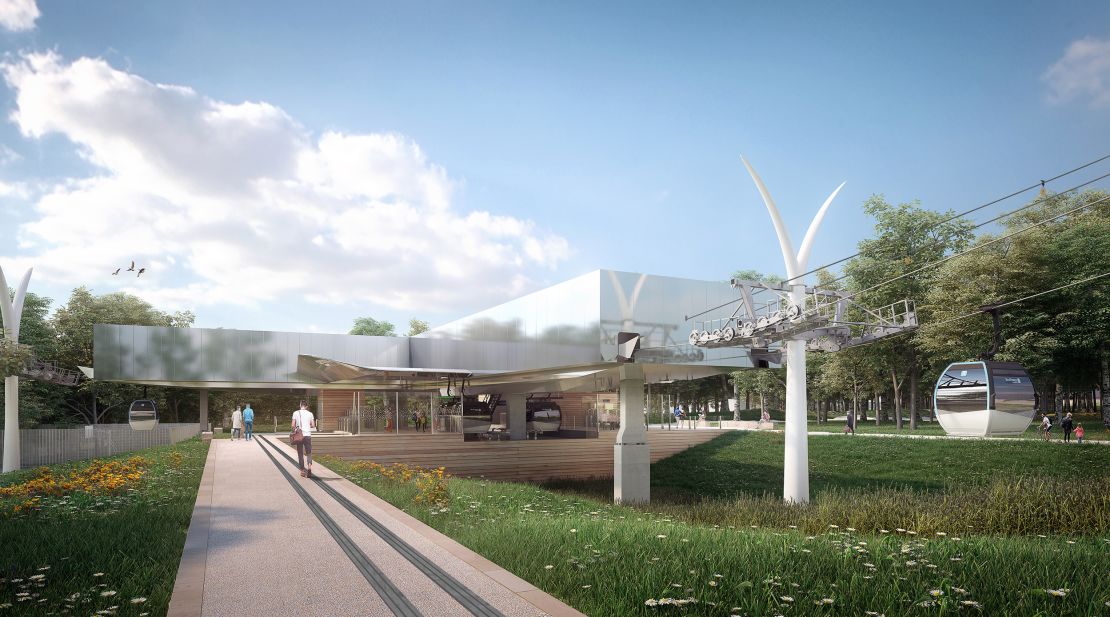
Officials said the project, which cost €138 million, offered a far more affordable alternative to building a new underground line.
“An underground metro simply would not have been possible,” said Grégoire de Lasteyrie, vice-president of the Île-de-France regional council responsible for transport. “A project costing more than one billion euros could never have been financed.”
The Paris-area cable car is the seventh urban cable car system in France. Similar aerial transport lines already operate in cities such as Brest, Toulouse and Saint-Denis on the island of La Réunion.
Traditionally associated with mountainous regions, cable cars are increasingly being adopted as urban transport solutions, particularly to connect isolated districts that lack efficient public transport.
France’s first urban cable car was built in Grenoble in 1934. Its distinctive spherical cabins—known as “the bubbles”—have since become a defining landmark of the Alpine city.