Trending
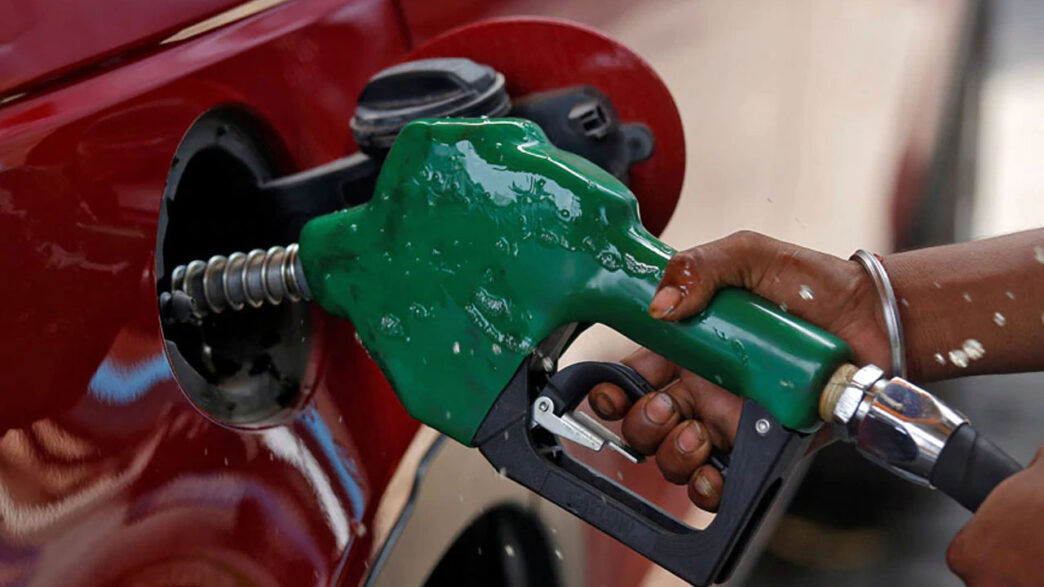
South Africans will begin paying more for fuel from Wednesday after the Department of Mineral and Petroleum Resources (DMPR) announced increases of between 20c and 65c across all fuel types.
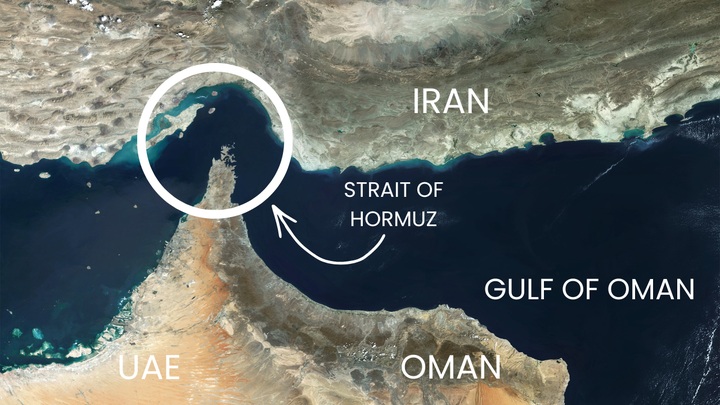
The DMPR attributed the hike to both current local and international factors, such as the ongoing escalation in the Middle East, which has contributed to the closure of the Strait of Hormuz.
Iran closed the Strait of Hormuz, a waterway between the Persian Gulf and the Gulf of Oman, where major oil exporters in the Middle East, including Saudi Arabia, Iraq, Kuwait, Iran, and the UAE, use to transport crude to global markets.
Nearly a quarter of global seaborne oil and a significant volume of cargo to and from Gulf ports are transported across the Strait of Hormuz. The closure of the Strait has contributed to a hike in global crude oil prices and, by implication, petrol prices.
“The average Brent Crude oil price increased from 64.08 US Dollars (USD) to 69.08 USD during the period under review. The main contributing factors are higher shipping rates and geopolitical uncertainty stemming from tensions between the US and Iran, which could disrupt crude oil supplies in the Strait of Hormuz,” the DMPR stated.
“The average international product prices followed the increasing trend of the crude oil price. These factors led to higher contributions to the Basic Fuel Prices of petrol, diesel, and illuminating paraffin by 37.53 cents per litre, 81.36 cents per litre, and 63.81 cents per litre, respectively.
“The prices of Propane and Butane increased during the period under review due to the cold weather in the Northern Hemisphere and tighter global supply.”
The following fuel price adjustments will be implemented:
- Petrol 93 (ULP and LRP): 20c increase.
- Petrol 95 (ULP and LRP): 20c increase.
- Diesel (0.05% sulphur): 62c increase.
- Diesel (0.005% sulphur): 65c increase.
- Illuminating Paraffin (wholesale): 44c increase.
- Single Maximum National Retail Price for Illuminating Paraffin: 58c increase.
- Maximum Retail Price of LP Gas: 23c increase and 26c per kilogram increase in the Western Cape.