Trending


A Polish court is set to rule Tuesday on an appeal involving three doctors convicted in the 2021 death of a pregnant woman named Izabela.
The 30-year-old died of septic shock while 22 weeks pregnant, a tragedy that sparked the massive “Not One More” protests across Poland.
Her case became a flashpoint for national outrage over the country’s restrictive abortion laws, which critics argue force medical professionals to prioritise a foetus’s heartbeat over a mother’s life.
Izabela was hospitalised after her amniotic fluid broke, and while both she and her doctors were aware of severe foetal defects, the termination of her pregnancy was delayed.
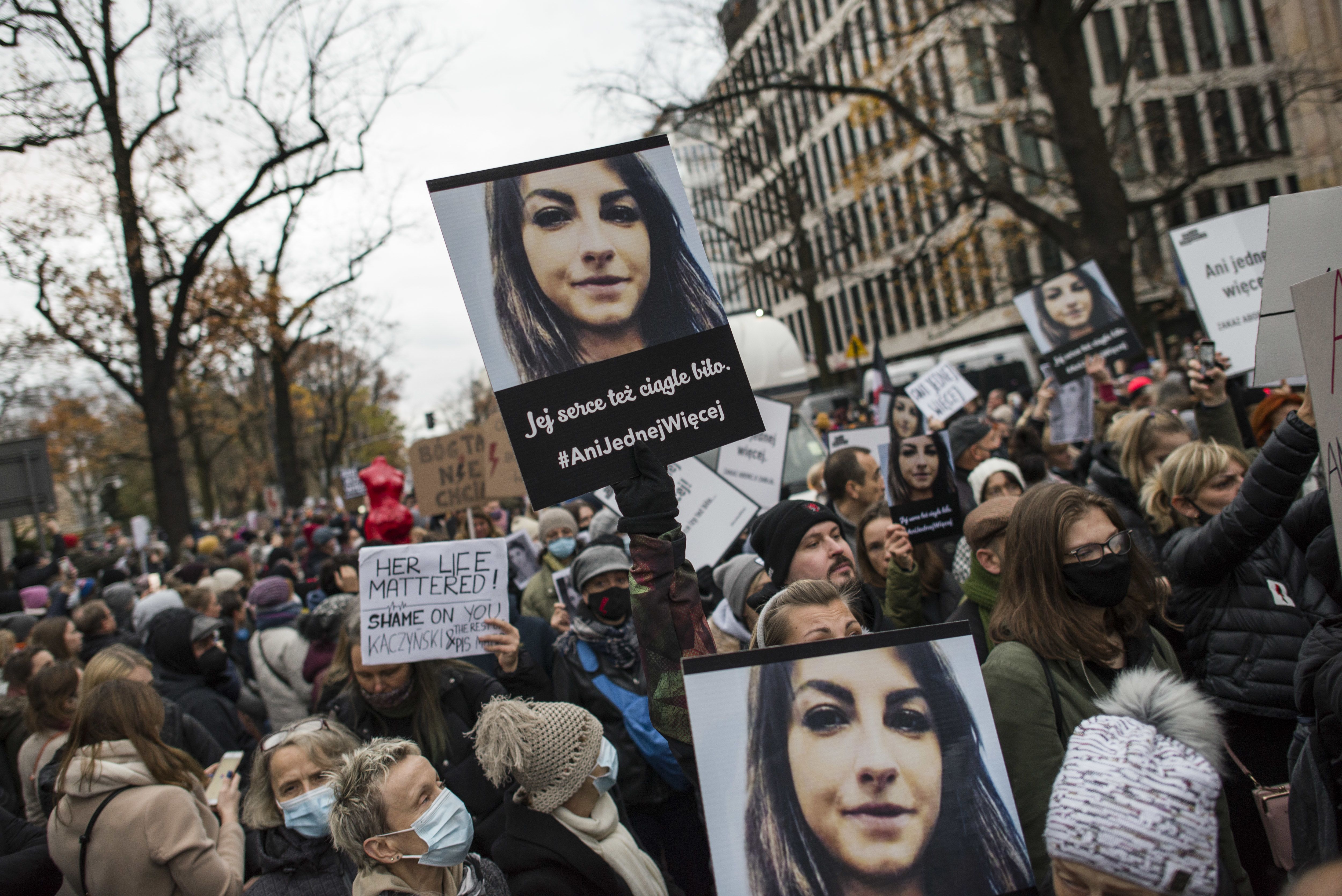
Her family alleges that the medical staff waited for the foetus’s heart to stop before acting, fearing the legal consequences of performing an abortion under current laws.
Less than 24 hours after admission, Izabela died of sepsis, leaving behind a young daughter.
The incident followed a 2020 ruling that removed foetal abnormalities as a legal ground for abortion—a justification that previously accounted for 98 per cent of the country’s legal procedures.
In 2023, a district medical court sentenced the three doctors to prison terms ranging from 12 to 18 months and issued multi-year bans on their medical licences.
Both the defence and the prosecution appealed those initial sentences, leading to the current proceedings in Katowice.
Beyond the criminal charges, the hospital was fined 650,000 zloty ($179,000) after a state review found numerous irregularities in the care provided to Izabela.
The legal battle continues against a backdrop of political gridlock.
Although Poland’s current centrist coalition promised to ease abortion restrictions, internal divisions and the threat of a veto from conservative-nationalist President Karol Nawrocki have stalled any major legislative changes.
As the court prepares its ruling, the case remains a sobering reminder of Poland’s status as having some of the most restrictive reproductive laws in the European Union, where only 411 legal abortions were recorded in the first half of 2025.