Trending

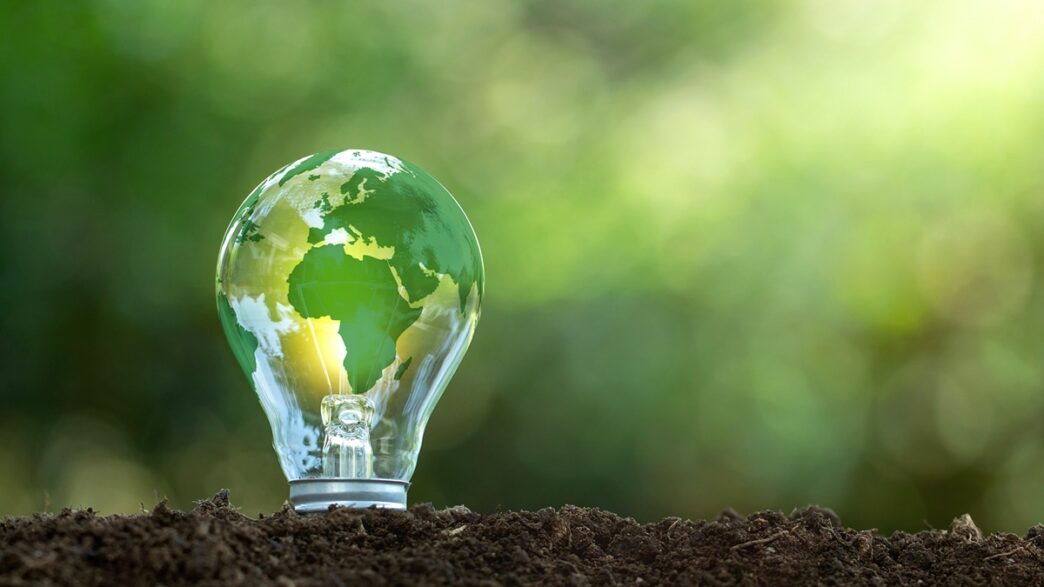
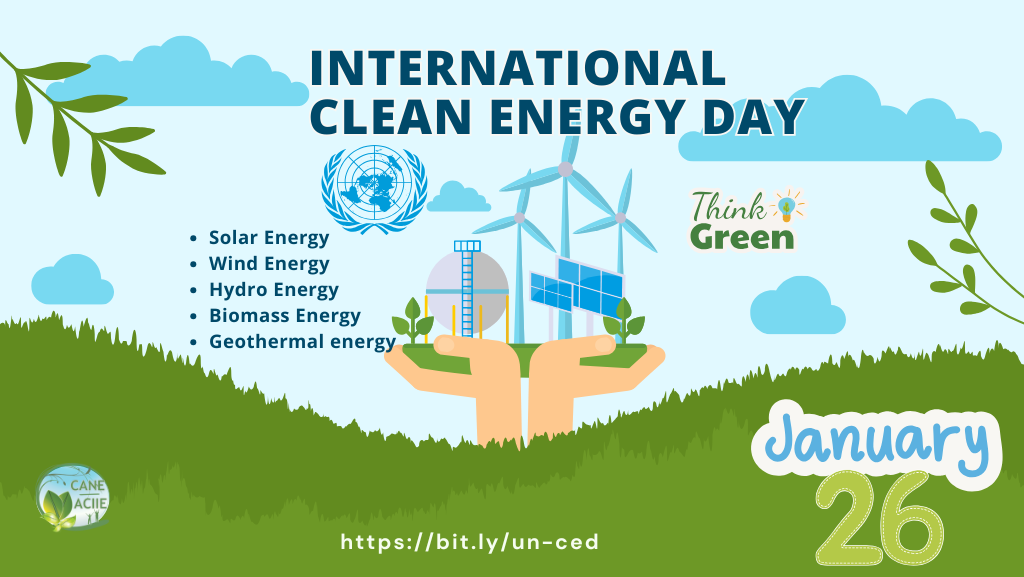
Every year on 26 January, the world marks the International Day of Clean Energy, a United Nations–designated day that highlights the vital role of clean, affordable and sustainable energy in driving development, protecting the environment and improving quality of life.
In 2026, the observance comes at a critical moment, as countries confront the twin challenges of climate change and growing global energy demand.
Clean energy—such as solar, wind, hydro, geothermal and other low-carbon sources—lies at the heart of the global effort to cut greenhouse gas emissions and limit the impacts of climate change.
The continued reliance on fossil fuels has contributed significantly to rising global temperatures, extreme weather events and environmental degradation. Transitioning to clean energy systems offers a clear pathway to reducing emissions while supporting economic growth.
Beyond climate action, clean energy is central to sustainable development. Access to reliable and affordable electricity improves healthcare delivery, enhances education, supports small businesses and reduces poverty, especially in developing countries.
According to the United Nations, hundreds of millions of people still lack access to electricity, while many more depend on polluting fuels for cooking and heating. Expanding clean energy access helps to close these gaps while safeguarding public health.
The International Day of Clean Energy also underscores the link between energy and energy security. Diversifying energy sources through renewables reduces dependence on imported fuels and shields economies from price volatility and supply disruptions. For countries like Nigeria and others in the Global South, investments in clean energy present opportunities to harness abundant natural resources, create jobs and build resilient energy systems.
In 2026, the observance serves as a call to action for governments, the private sector, researchers and citizens. Policymakers are urged to strengthen frameworks that encourage renewable energy investment, innovation and infrastructure development. Businesses are encouraged to adopt cleaner production methods and invest in sustainable technologies. Individuals, too, have a role to play by conserving energy, supporting clean energy initiatives and making informed choices in their daily lives.
As the world works towards achieving the Sustainable Development Goals, particularly Goal 7 on affordable and clean energy, the International Day of Clean Energy reminds us that the transition to cleaner energy is not optional—it is essential. By accelerating the shift to clean energy in 2026 and beyond, the global community can build a healthier planet, stronger economies and a more equitable future for all.