Trending
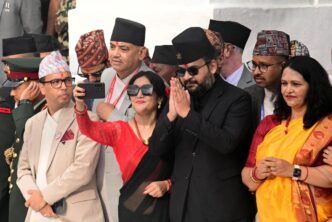
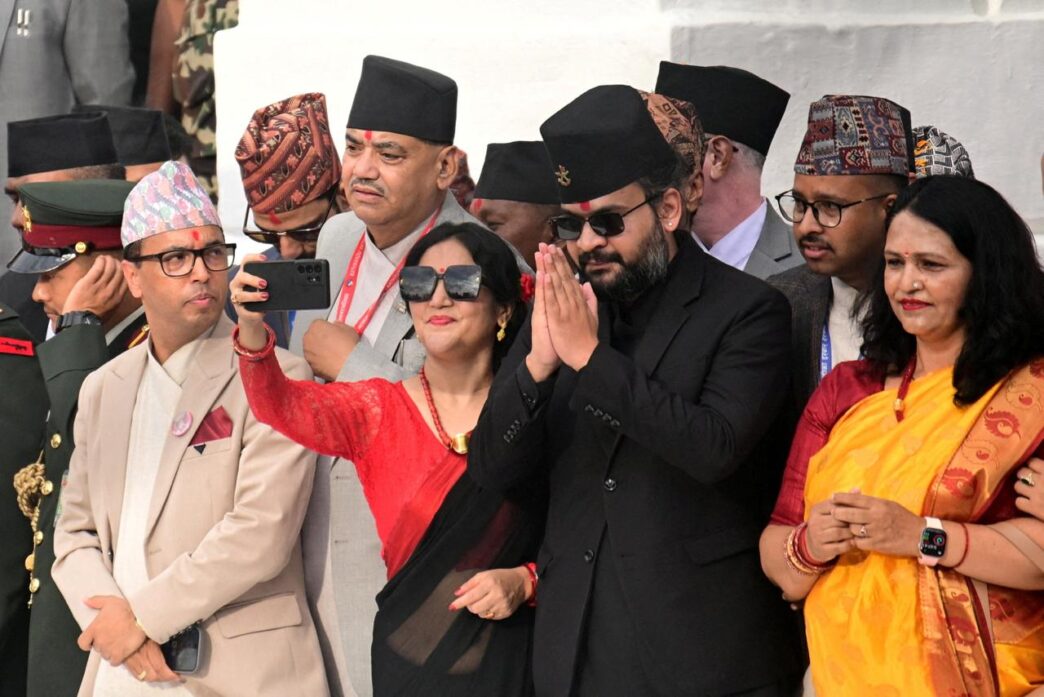
Rapper-turned-politician Balendra Shah was sworn in as the Prime Minister of Nepal on Friday, inheriting a nation plagued by fragile political systems and economic instability.
His ascent marks a turning point in Nepal’s political landscape, as he steps into a role long occupied by short-lived governments and stagnant growth.
Shah’s Rastriya Swatantra Party (RSP) secured 182 seats in the 275-member parliament in Nepal’s March 5 elections, a victory that followed anti-corruption protests in September last year, which left 76 people dead and fueled widespread public discontent.
At 35, Shah is Nepal’s youngest-ever prime minister and the first from the Madhesi ethnic group, which resides in the southern plains bordering India. His rise comes after a turbulent period in the country’s politics, during which instability has led to 32 governments since 1990, none of which completed a full five-year term.
Shah, a former mayor of Kathmandu, is tasked with restoring political stability in a country of 30 million people, where one-fifth of the population lives in poverty, and many seek employment abroad, with an estimated 1,500 leaving the country daily.
Shah’s inauguration was a spectacle, as he arrived at the President’s House dressed in his trademark skin-tight trousers, matching jacket, and sunglasses, donning the black Nepali cap. His first challenge, according to political analyst Puranjan Acharya, is to deliver prompt and transparent services, with citizens expecting “early signs of good governance from Sunday itself.”
However, the prime minister faces immediate hurdles in addressing the fallout from last year’s protests. Acharya pointed out that Shah’s government will need to implement the findings of a report that investigated the violence during the protests, which calls for the prosecution of those responsible, including former Prime Minister KP Sharma Oli.
The protests, led by Nepal’s youth, were sparked by rampant corruption and a lack of job opportunities. Despite the political transition, the country still grapples with systemic issues, including weak growth prospects and a struggling economy. The challenge ahead for Shah is not just restoring stability, but also delivering tangible reforms that meet the public’s high expectations.
The Nepali Congress, the country’s oldest political party, was left trailing with only 38 seats, while Oli’s Communist Party of Nepal (Unified Marxist-Leninist), whose leader was ousted following the Gen Z protests, controls 25 seats. The country remains in a period of political transition, with former Chief Justice Sushila Karki guiding the nation through the interim period until the elections.
As Nepal’s youngest and most unconventional leader to date, Shah’s journey in navigating the troubled political waters of the Himalayan nation will be closely watched by both domestic and international observers.