Trending
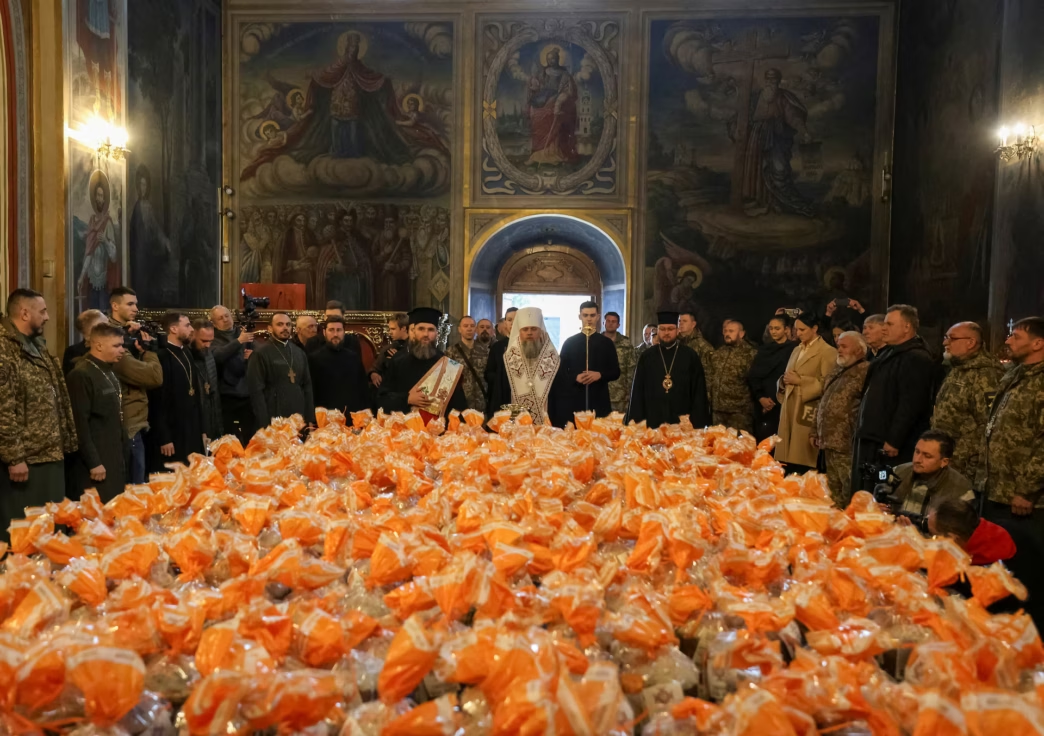
A temporary 32-hour ceasefire between Russia and Ukraine officially began on Saturday afternoon to coincide with Orthodox Easter.
The truce, initially proposed by President Volodymyr Zelenskyy and later ordered by President Vladimir Putin, is scheduled to last until the end of Sunday.
While both nations have agreed to the pause in hostilities, the Ukrainian military has warned it will retaliate instantly to any Russian provocations, emphasising that their adherence depends entirely on the absence of Russian strikes by land, air, or sea.
The hours leading up to the ceasefire were marked by intense violence, casting a shadow of scepticism over the agreement.
Russia launched approximately 160 drones toward Ukrainian territory, resulting in at least four deaths and significant damage to civilian infrastructure, particularly in the Odesa region.
Simultaneously, Ukrainian drone strikes reportedly targeted an oil depot in Russia’s Krasnodar region and caused casualties in Russian-occupied areas of Donetsk and Kherson.
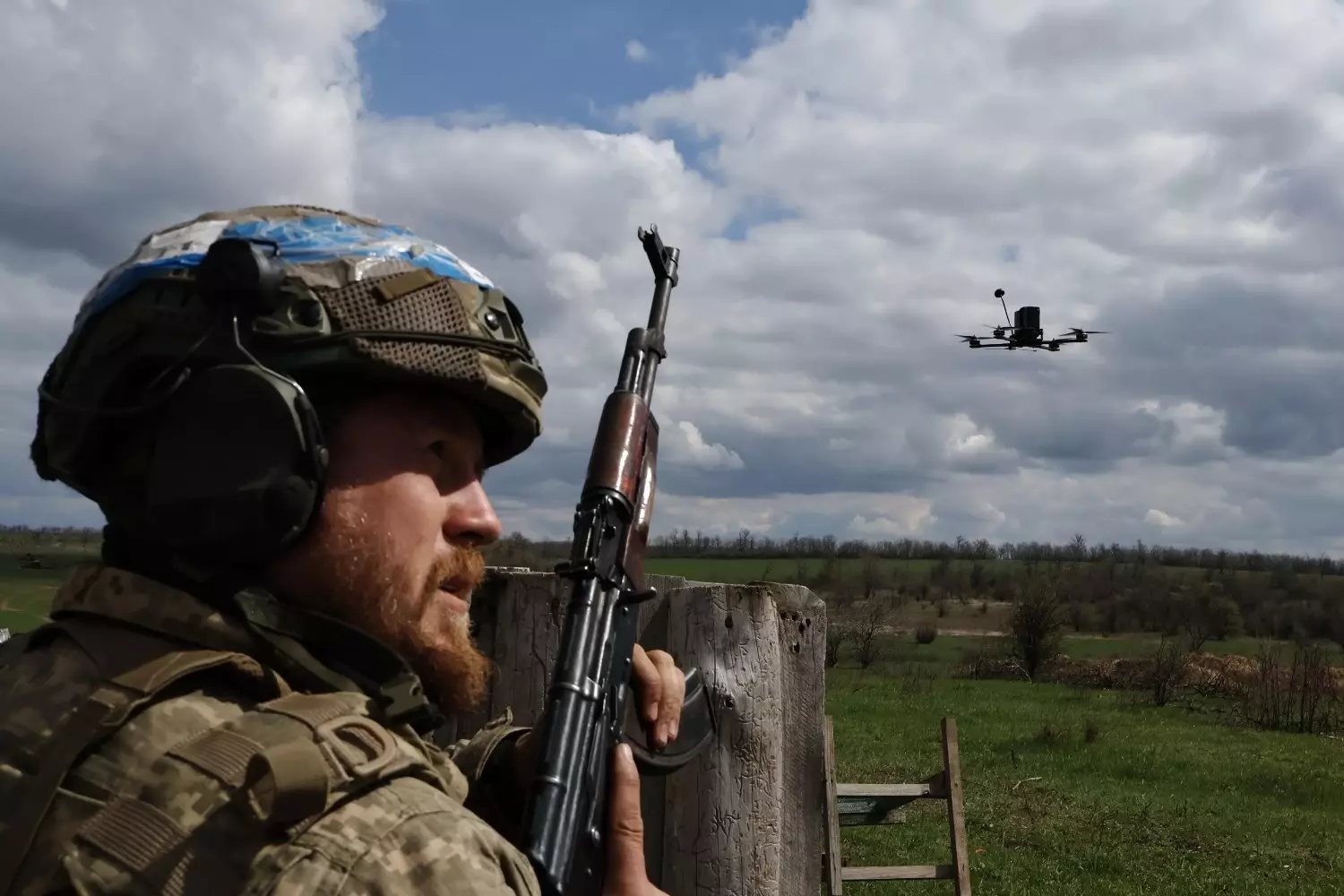
These pre-truce escalations reflect the deep distrust between the two sides, who accused each other of hundreds of violations during a similar Easter truce last year.
Amid the stalled diplomatic efforts to end the four-year war, a successful prisoner exchange provided a rare moment of cooperation.
Mediated by the United Arab Emirates, each side released 175 prisoners of war on Saturday. Despite this humanitarian progress, broader peace negotiations remain deadlocked due to conflicting territorial demands.
While Ukraine has suggested freezing the conflict along current front lines, Russia continues to insist on total control over the Donetsk region, a condition Kyiv has firmly rejected as the conflict remains Europe’s deadliest since World War II.