Trending

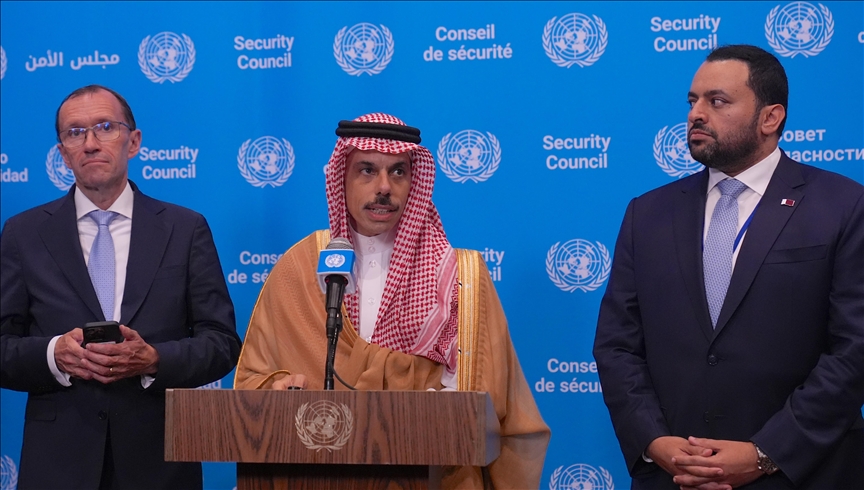
Saudi Arabia has urged international actors to stop attempting to reinterpret or renegotiate the terms of the Gaza ceasefire, warning that any attempt to change what has already been agreed risks undermining peace efforts across the region.
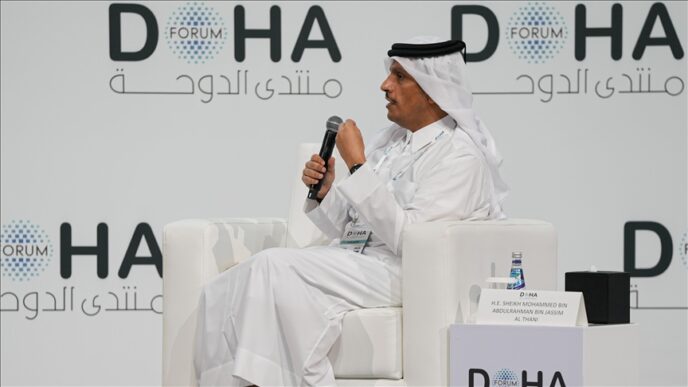
Speaking at the Doha Forum 2025, senior Saudi Foreign Ministry official Manal Radwan said the ceasefire arrangements have already been endorsed by the United Nations Security Council and accepted by all parties and should not now be reopened for negotiation under different labels or interpretations.
She said the international community should remain focused on implementing the ceasefire as agreed, rather than drifting into what she described as counterproductive discussions about redefining its meaning or scope.
According to Radwan, changing the language around ceasefire obligations, disarmament or Palestinian-led governance in Gaza distracts from the root cause of the conflict and risks derailing long-term solutions.
Radwan warned that focusing on technical or procedural matters could lead to political distraction at the expense of meaningful progress.
She argued that the underlying dispute remains unresolved and that repeatedly reshaping the framework only delays genuine efforts toward stability.
Emphasising Saudi Arabia’s support for a two-state solution, she said there was near-universal international agreement that Israeli and Palestinian states living side by side is the only viable path to lasting peace.
She challenged the global community not just to endorse the idea rhetorically, but to actively support its implementation.
The Saudi official also rejected any attempt to treat Gaza in isolation, stressing that it remains inseparable from the wider Palestinian cause.
She said humanitarian arrangements and security measures cannot succeed unless they are firmly linked to a political settlement that guarantees Palestinian statehood and regional stability.
Radwan warned that previous cycles of conflict have followed the same pattern, with military escalation followed by international intervention, humanitarian relief, and eventual political exhaustion – only for violence to resume again later.
Without addressing Palestinian rights, she said, no ceasefire would hold, and no amount of external intervention could guarantee peace.
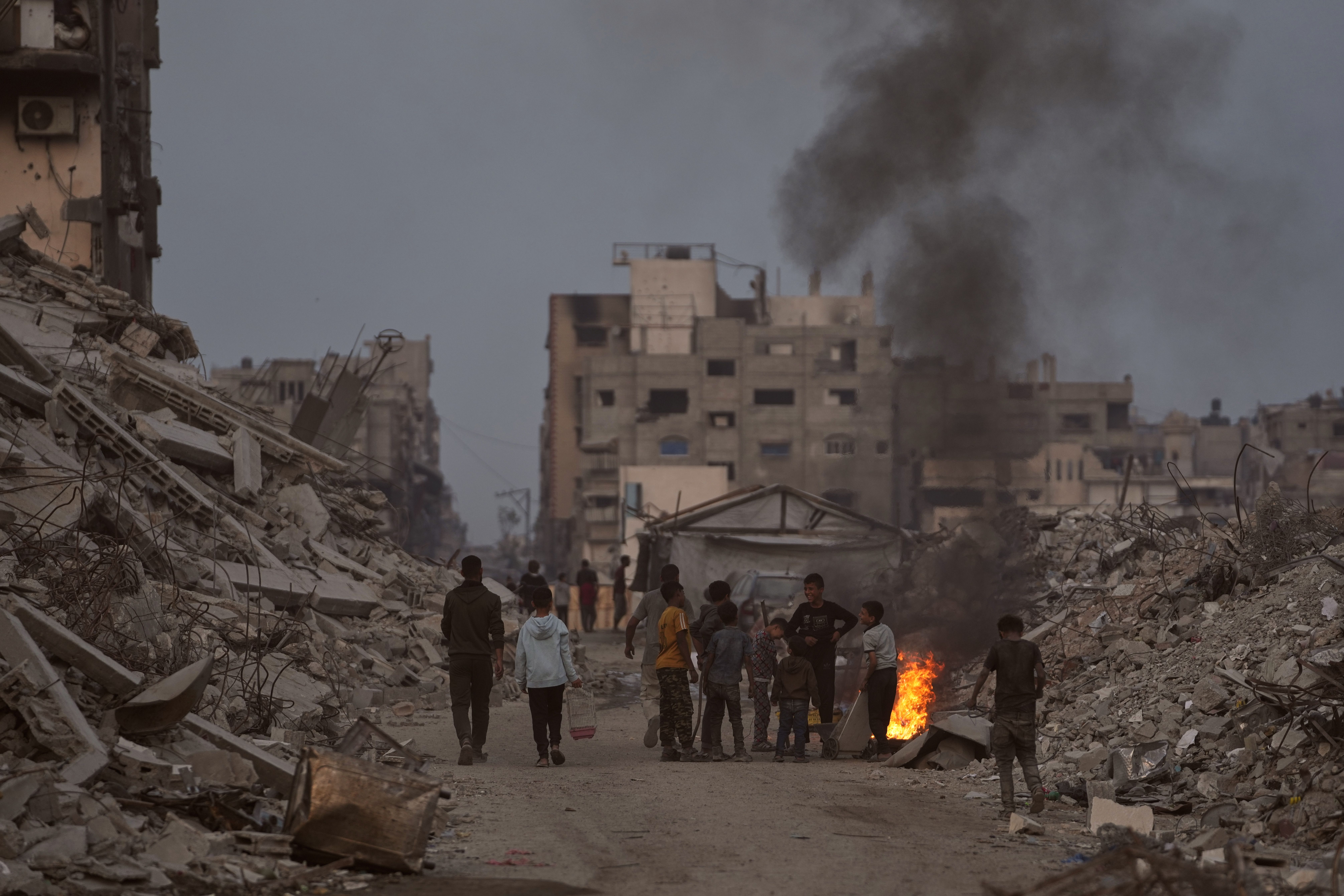
The ceasefire came into force on October 10, bringing an end to two years of Israeli military bombardments in Gaza.
According to local health authorities, more than 70,000 Palestinians have been killed since October 2023, most of them women and children, while nearly 171,000 others have been injured.
The first phase of the ceasefire includes the exchange of Israeli hostages for Palestinian prisoners and focuses on preparations for Gaza’s reconstruction.
The agreement also outlines plans for a new governing structure in the territory that would exclude Hamas.