Trending
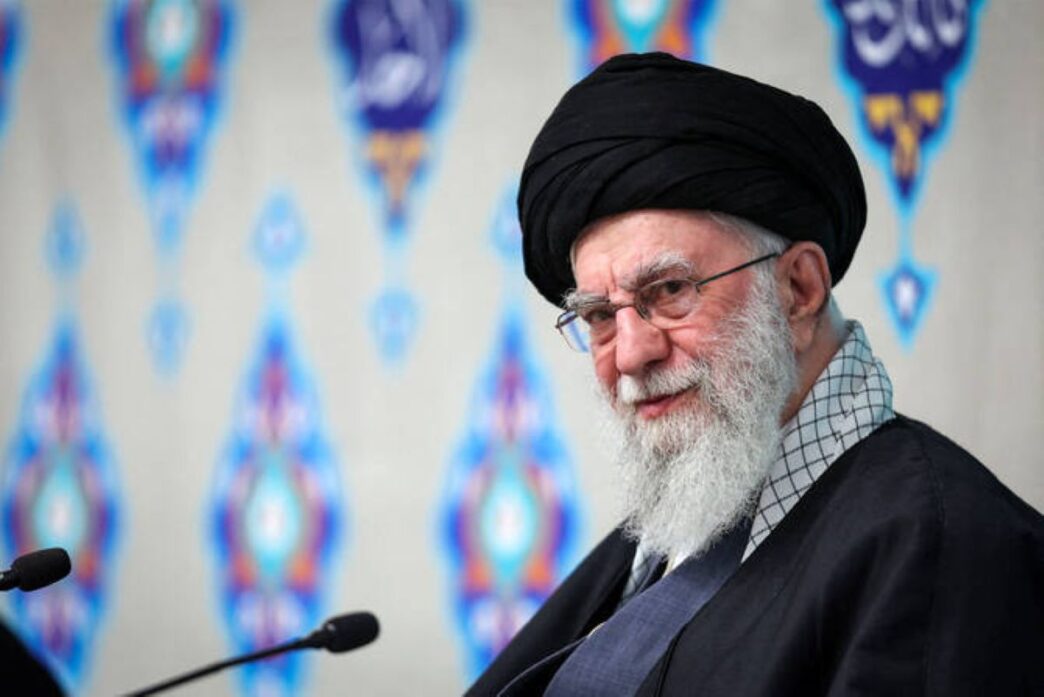
The confirmed death of Iran’s Supreme Leader has renewed global attention on a historical pattern in which sitting heads of state or government were removed through military intervention, coups, or targeted killings. Such moments have frequently altered regional balances of power and reshaped international relations.
Below is a historical overview of seven leaders whose deaths came through force.
1. Muammar Gaddafi — Libya
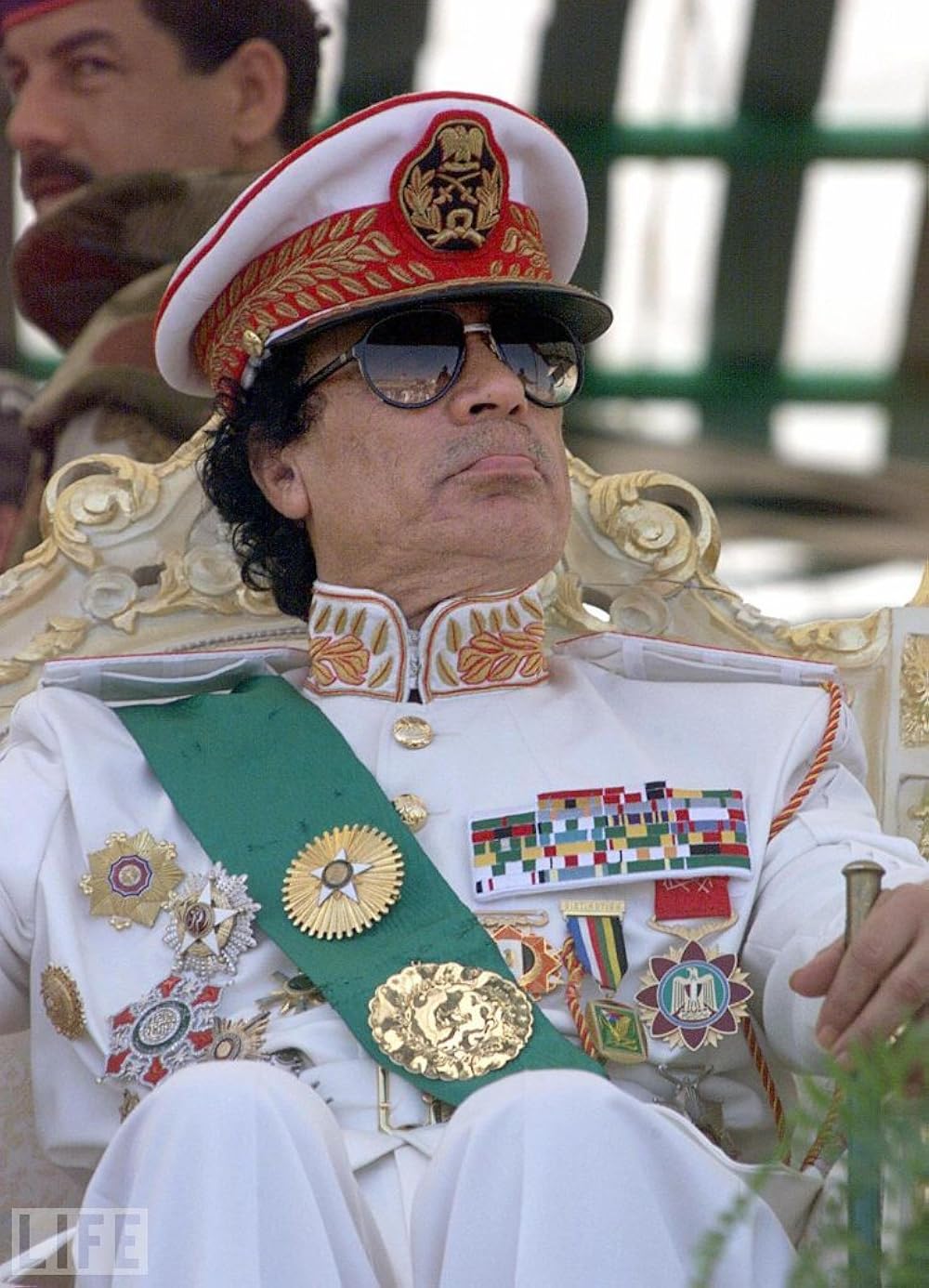
Muammar Gaddafi ruled Libya for more than four decades before his death. Gaddafi was killed on October 20, 2011, near Sirte during the final stages of the Libyan Civil War after airstrikes by NATO targeted his convoy. His death ended 42 years in power and marked a turning point in Libya’s post-Arab Spring trajectory.
2. Saddam Hussein — Iraq
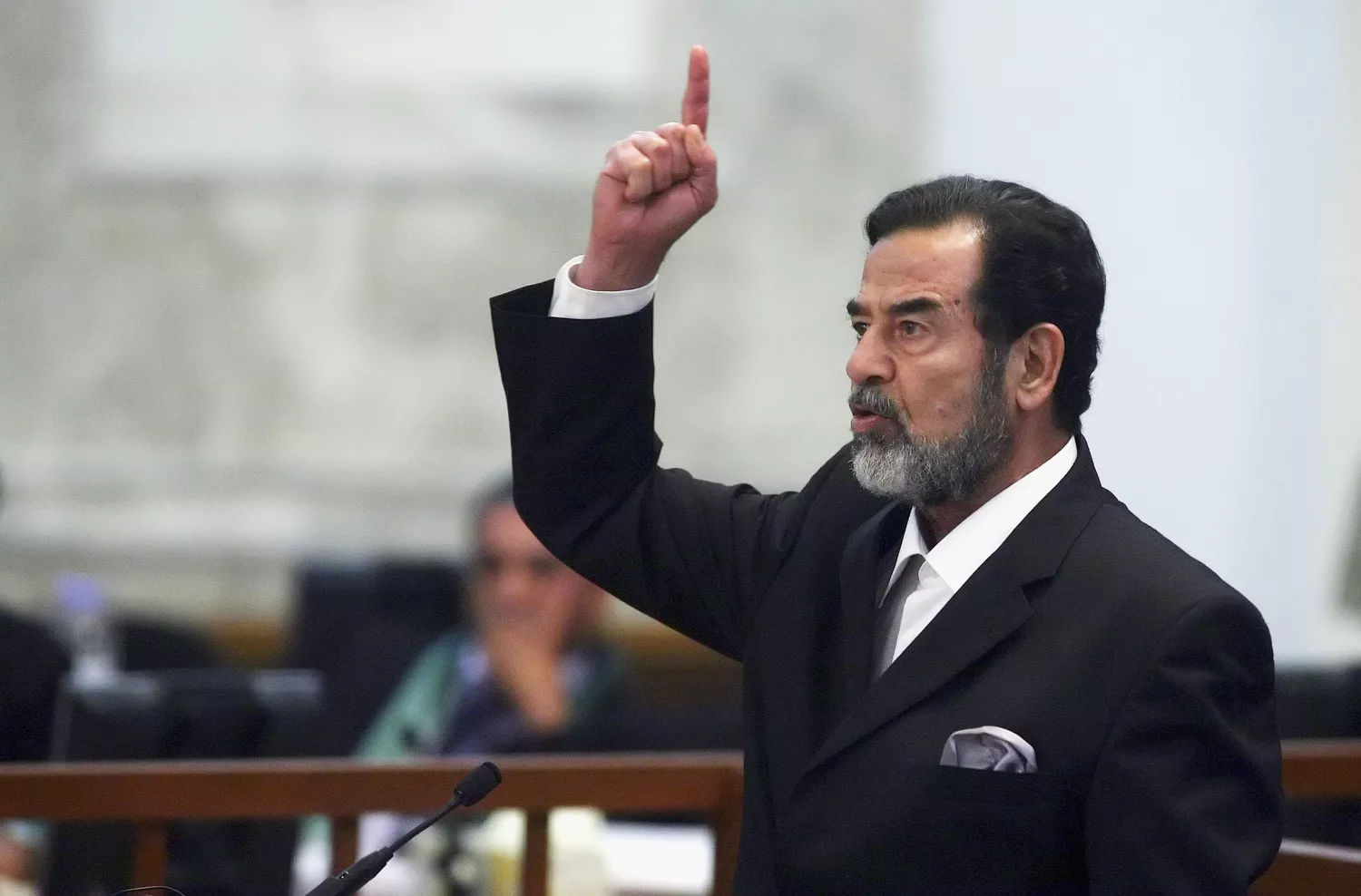
Captured by forces from the United States in December 2003, Saddam was tried by an Iraqi tribunal and executed on December 30, 2006. His removal followed the 2003 U.S.-led invasion of Iraq.
3. Anwar Sadat — Egypt
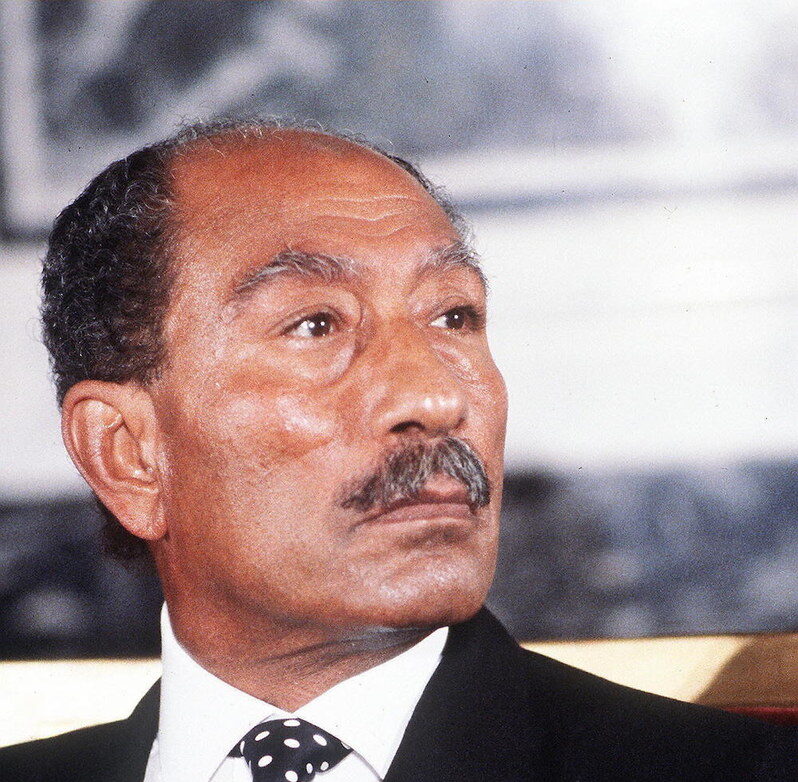
Sadat was assassinated on October 6, 1981, during a national parade in Cairo by officers opposed to his peace agreement with Israel, the Camp David Accords.
4. Thomas Sankara — Burkina Faso
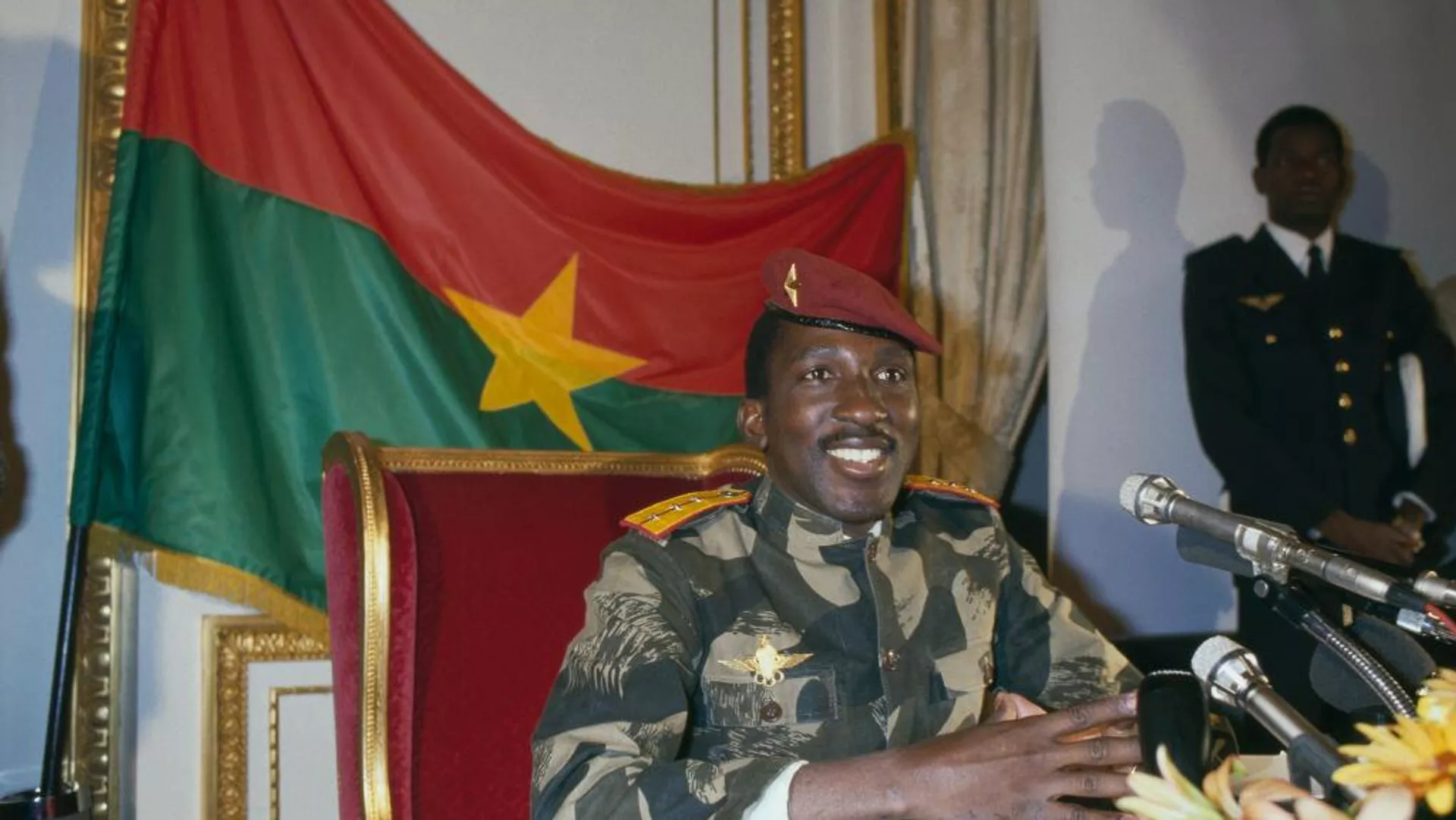
Thomas Sankara led Burkina Faso from 1983 until his death in 1987. Sankara was killed on October 15, 1987, in a coup led by his deputy, Blaise Compaoré, who subsequently assumed power and reversed many of Sankara’s policies.
5. Patrice Lumumba — DR Congo

Patrice Lumumba was the first democratically elected prime minister of the Democratic Republic of Congo. Lumumba was executed in 1961 after being ousted in a coup amid Cold War tensions. Subsequent investigations revealed foreign involvement in events surrounding his removal.
6. Idriss Déby — Chad
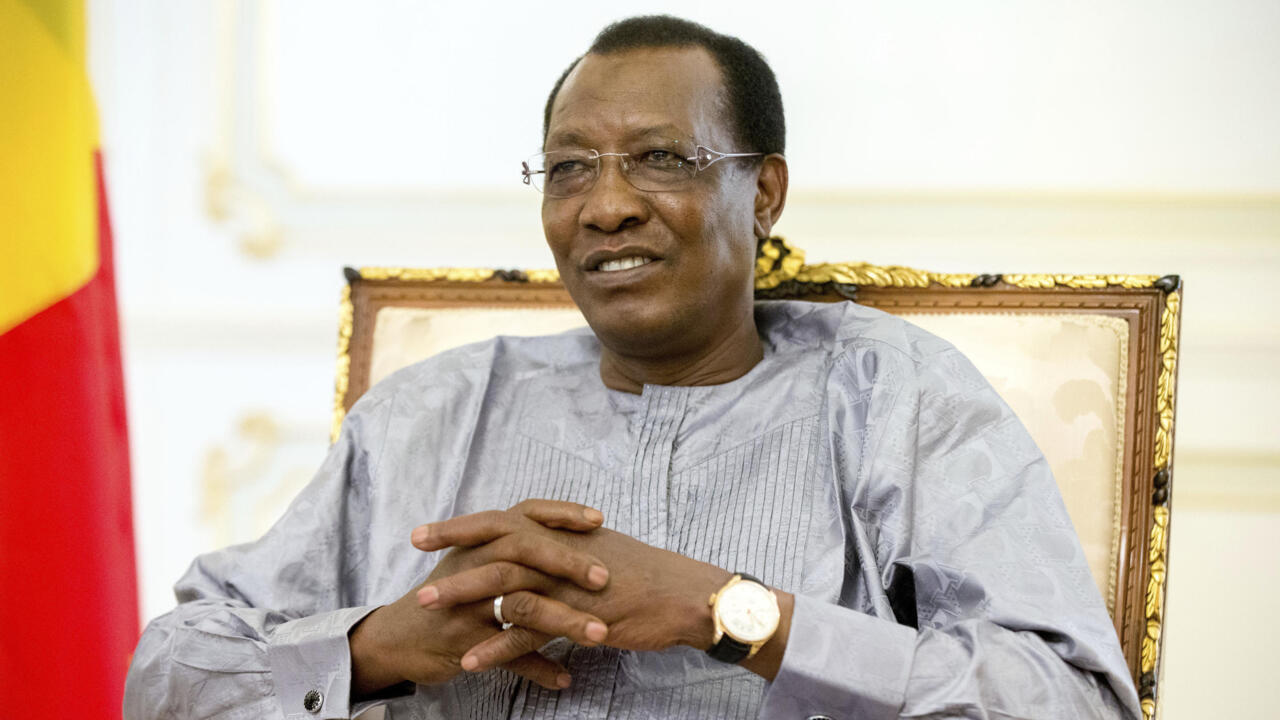
Chadian President Idriss Déby died from wounds sustained on the battlefield. Déby died on April 20, 2021, after sustaining injuries while visiting troops fighting rebels in northern Chad. His son, Mahamat Idriss Déby, was later installed as head of a transitional military council.
7. Ali Khamenei — Iran

Ali Khamenei led Iran as Supreme Leader for more than three decades.
Iranian state media reported that Khamenei was killed on February 28, 2026, following joint U.S.–Israeli strikes. A 40-day national mourning period was declared as succession procedures began.
The removal of national leaders through military force, coups, or assassination has often resulted in profound political transitions, prolonged instability, or shifts in geopolitical alignments. In many cases, these events reshaped not only domestic governance but also international diplomacy and regional security structures.