Trending
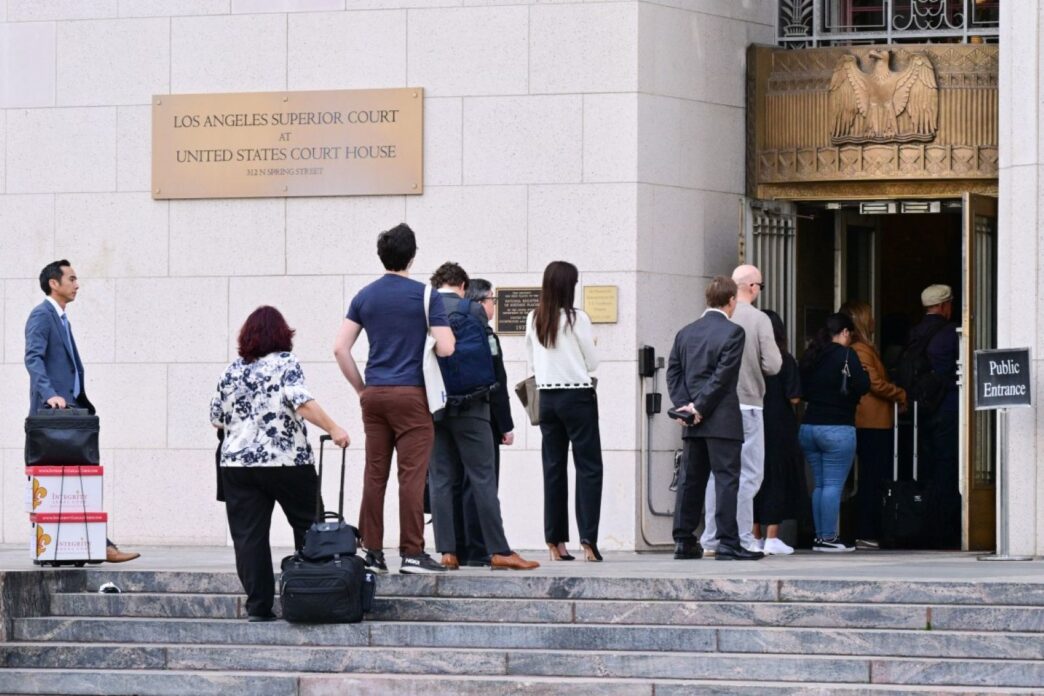
A California civil court has opened what may become a defining legal battle for the technology industry, as senior executives from major social media platforms are beginning to testify in a case that questions whether their products were deliberately engineered to keep children hooked for profit.
On Wednesday, Adam Mosseri, Chief Executive of Instagram, is expected to take the stand as the first high-profile Silicon Valley executive to testify before a jury. He is defending his company and its parent, Meta Platforms, against allegations that Instagram functions as a dopamine-triggering “slot machine” for young users.
His appearance will be followed by testimony from Mark Zuckerberg on February 18, and Neal Mohan the next day, representing Google and its video platform YouTube.
The case centres on a now 20-year-old woman identified in court filings as Kaley G.M., who alleges she suffered severe psychological harm after beginning to use YouTube at six years old, joining Instagram at 11, and later moving to Snapchat and TikTok. Her case is being treated as a bellwether trial that could influence more than a thousand similar lawsuits filed across the United States.

During opening statements, plaintiffs’ lawyer Mark Lanier told jurors that Meta and Google “don’t only build apps; they build traps,” arguing that both companies intentionally designed their platforms to exploit the vulnerabilities of young brains for commercial gain.
In contrast, YouTube’s attorney, Luis Li, rejected the accusation, telling the jury: “It’s not social media addiction when it’s not social media and it’s not addiction.” He compared YouTube’s model to traditional television and streaming services such as Netflix, insisting the platform simply offers free viewing on personal devices.
The trial, scheduled to run until March 20, is being closely watched as it unfolds alongside other lawsuits, including a separate case in New Mexico accusing Meta of placing profit ahead of protecting minors from sexual predators. Further test cases are planned in Los Angeles, while a nationwide federal case will be heard in Oakland, California.
The outcome of this proceeding may set a powerful legal precedent on whether social media companies can be held responsible for the psychological impact of their design choices on children.