Trending

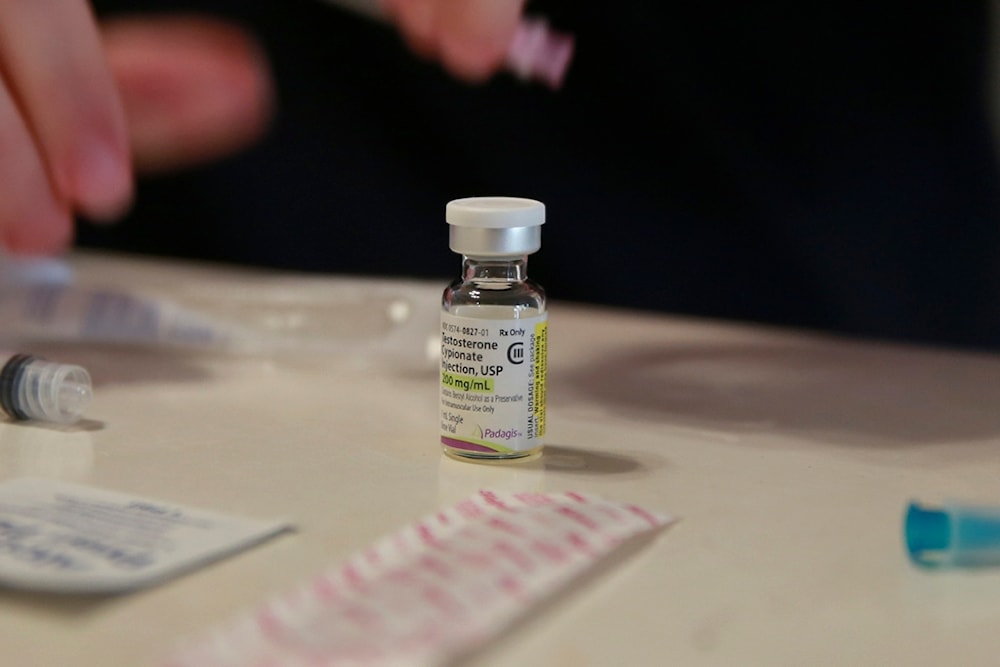
Social media advertising by private clinics promoting testosterone treatment is driving many men to pursue expensive therapies that they may not need, doctors say.
In the UK and Australia, doctors report that testosterone levels can vary with lifestyle, and many men are being prescribed testosterone replacement therapy (TRT) without a medical necessity, risking side effects.
Promoters use social media, influencers, and campaigns to persuade young, body-focused men to test their testosterone and seek treatment, sometimes suggesting energy loss, fatigue, or mood issues as justification.
TRT is reserved for men with true deficiency (hypogonadism), and treating men with normal or near-normal levels can lead to infertility, thickened blood, and cardiovascular risks.
Private clinics are not required to disclose numbers, but endocrinologist Channa Jayasena estimated hundreds of thousands in the UK have accessed private TRT, with many not needing it. In Australia, endocrinologist Isobelle Smith has criticised advertising that claims up to 20–25% of men under 40 have testosterone deficiency, calling such claims false and describing TRT as a performance-enhancing drug.
Some observers link the TRT craze to “manosphere” culture and high-profile personalities promoting high testosterone levels.
In England, prescriptions for testosterone by family doctors rose 13% in 2024, and NHS England spent over £30 million on testosterone therapy in 2024, though some uses were for gender-affirming care or other conditions.
Real-world testimonials from men on private TRT report perceived improvements in mood and energy, but these individuals often did not consult NHS doctors and paid privately.
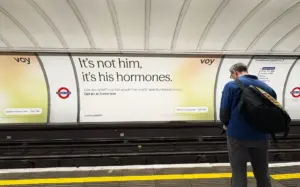
Advertising for TRT is illegal in the UK, but clinics sometimes promote blood testing as a pathway to treatment. Ads target young men, with some campaigns offering referral rewards.