Trending

South African President Cyril Ramaphosa has condemned the Saturday strikes by the U.S. and Israel against Iran, labelling the military operation a clear violation of international law.
In a strongly worded statement from his office, Ramaphosa argued that “anticipatory self-defence” is not a recognised legal justification under the United Nations Charter.
He maintained that self-defence can only be invoked following an actual armed invasion, rather than being based on the “assumption or anticipation” of a future threat.
The president’s remarks come as a direct challenge to the justifications provided by Washington and Tel Aviv.
President Donald Trump characterised the operation as a necessary move to eliminate “imminent threats,” while Israeli Prime Minister Benjamin Netanyahu described it as a vital action to remove an “existential threat.”
South Africa, however, maintains that these justifications bypass established international humanitarian laws and the principles of the UN Charter, which are designed to prevent unprovoked aggression.
PRESIDENT RAMAPHOSA CALLS FOR DIALOGUE IN THE MIDDLE EAST AND CONDENMS INTERNATIONAL LAW VIOLATIONS
President @CyrilRamaphosa and the Government of the Republic of South Africa expresses deep concern regarding the escalation of tensions in the Middle East.
These developments…
— The Presidency 🇿🇦 (@PresidencyZA) February 28, 2026
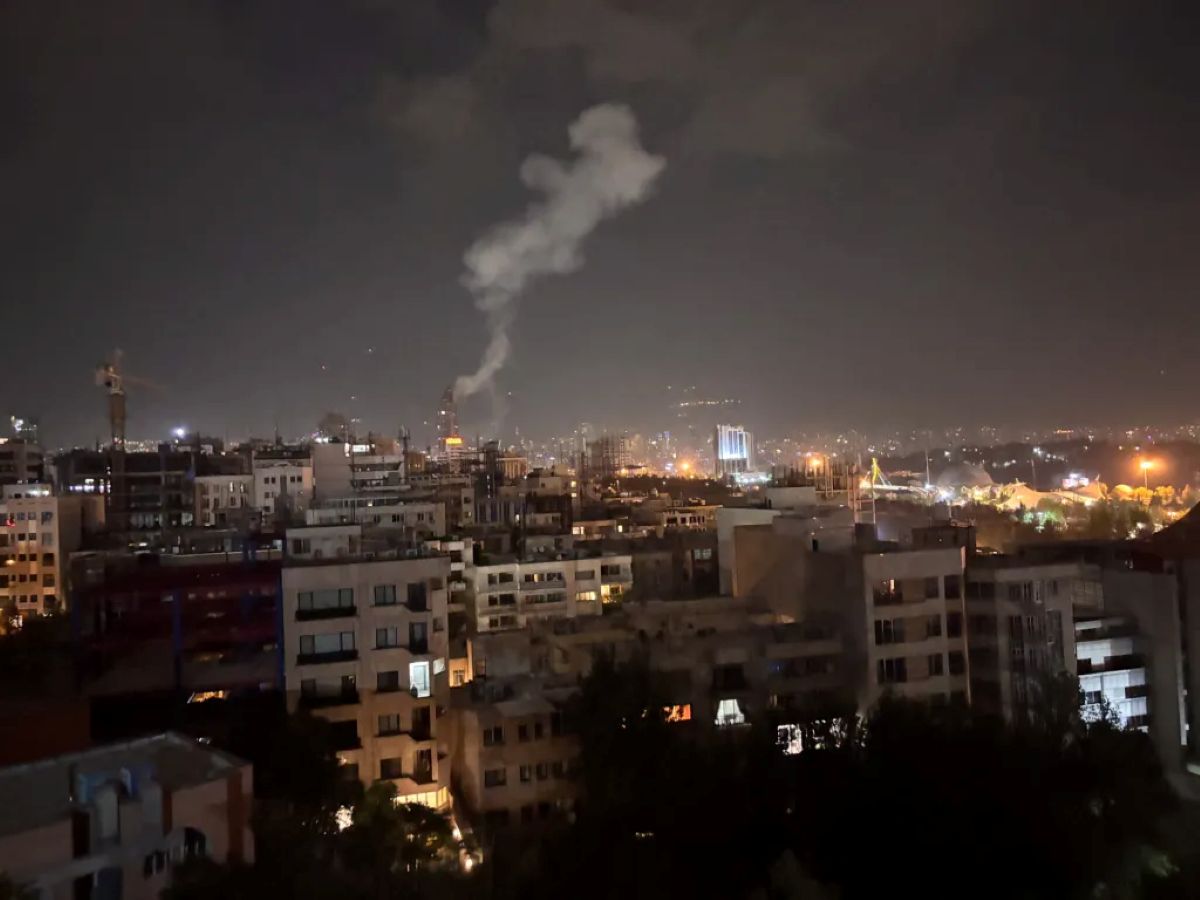
Amid the escalating violence—including Iran’s retaliatory missile barrages against Israel and Gulf states hosting U.S. bases—Ramaphosa called on all parties to exercise maximum restraint.
He warned that the current trajectory of the conflict threatens global stability and urged the international community to prioritise “meaningful negotiations” over military force.
The statement emphasised that the only way to achieve lasting peace is through a return to the negotiating table.
This diplomatic intervention reinforces South Africa’s position as a prominent global critic of the intervention.
Ramaphosa’s administration is positioning itself at the forefront of the legal and moral opposition to the conflict, attempting to create space for a non-military resolution as the regional situation deteriorates by calling for increased diplomatic efforts to de-escalate tensions.