Trending
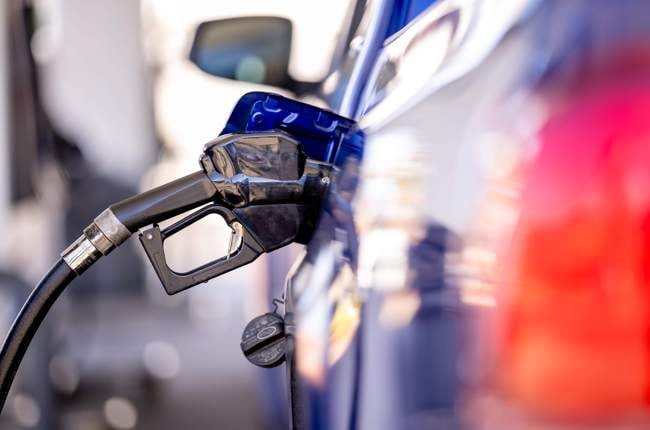
Motorists in South Africa are feeling the pinch from rising fuel prices. Conflict in key oil‑producing regions in the Middle East, caused by attacks and military actions on Iran by the United States and Israel, which have ensued for a month, and Iran’s reprisal attacks on Gulf countries with US military bases have raised fears of disruptions to major oil routes, including the Strait of Hormuz, where a large share of global oil exports flows.
Crude oil prices have jumped since the war began, as have refined petroleum prices. This surge has spread across the world, with countries in Africa being among the worst hit.
The South African Government introduced a temporary tax cut to ease the burden. A three rand per litre reduction in the general fuel levy was introduced, but the relief has done little to offset one of the steepest pump price increases on record, and motorists in Johannesburg say the rising cost of fuel is hitting them hard.
A motorist who spoke with Africa News, Kagiso Nyokolodi, said the situation made him furious.
“Furious, I’m angry, I’m out of words, I have run out of words, no, this is not good,” Nyokolodi lamented.
Some other drivers acknowledged the government’s efforts at cushioning the fuel price surge but said they fall short of what they need.
“It’s very bad, man, but at least the government has helped us with three rands (R3.00), that’s great, but it’s still very expensive,” said Armand Pretorius.
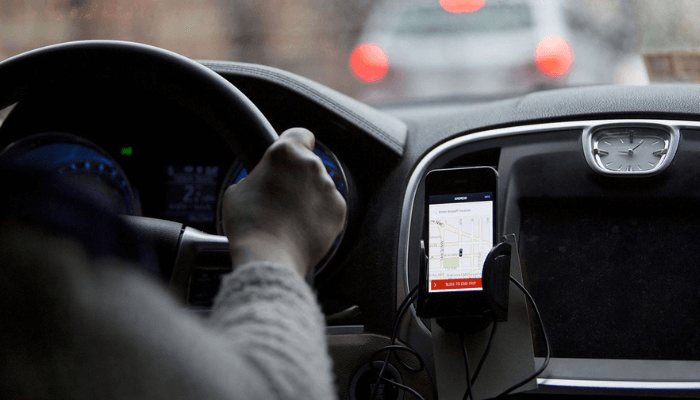
The rising cost of fuel has driven up living costs, affecting households across the country.
Innah Venter, another motorist, said the surge is hitting everyone’s pockets, including salary earners and pensioners.
“It’s very hard on everybody, salary wise, pensioners wise, buying, everything is going up,” said Venter.
A motorist who spoke with News+ said he used to spend bout 354 rands every week on fuel but now spends about 800 rands, adding that he hardly makes any profit because the government regulates transportation fares and motorists can’t increase them.
“It has doubled, which is hurting, and at the same time, we are absorbing it. You can’t pass that on to the clients. Fees are regulated by the government. So whatever they say goes. It’s not sustainable as we speak. I made a very big decision to retire this diesel and then move to a petrol hybrid. There is nothing we can do. Our hands are tied,” said the motorist.