Trending
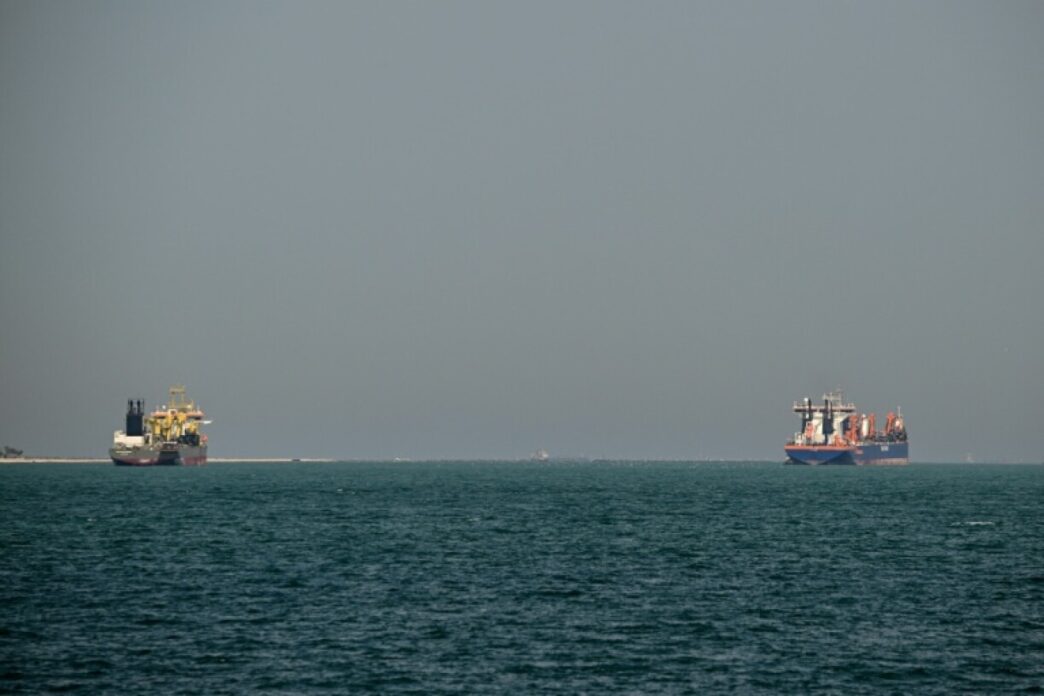
The Strait of Hormuz, a critical artery for global energy, remains virtually paralysed as the conflict between the United States, Israel, and Iran enters its second month.
Since the outbreak of hostilities on February 28, 2026, transit through the waterway has plummeted by 95%, with only 165 commodity carriers crossing between March 1 and March 26—a stark contrast to the typical 120 daily transits.
According to maritime intelligence, the regular shipping routes have been largely abandoned since mid-March, replaced by a restricted corridor near Larak Island currently controlled by Iranian forces.
Data from Lloyd’s List and Kpler indicate that the few vessels still navigating the strait are primarily Greek, Chinese, Indian, or Syrian-owned.
Iran’s Revolutionary Guards recently confirmed they had intercepted and turned back three ships, reiterating that the route is closed to any vessels linked to their “enemies.”
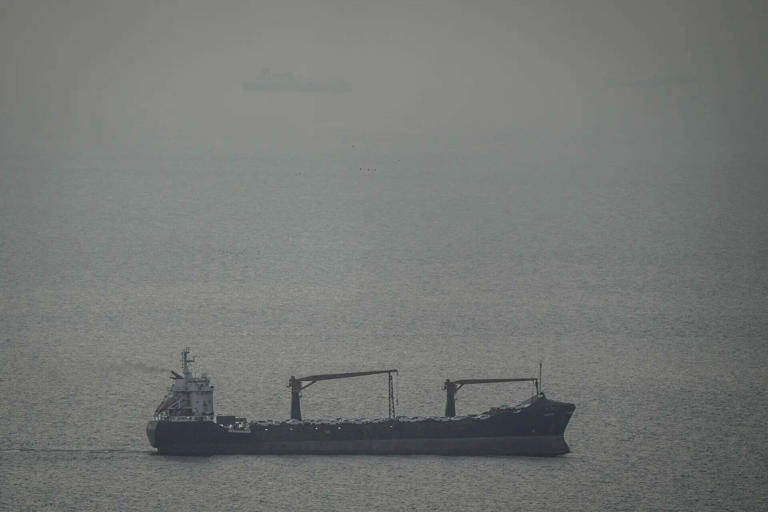
This blockade has forced a dramatic shift in maritime behaviour, with nearly half of all successful crossings being made by ships already under U.S., EU, or UK sanctions, suggesting a specialised “dark fleet” is now handling the majority of the remaining trade.
The human and economic toll of the maritime blockade continues to mount.
The International Maritime Organisation reports that at least eight seafarers have been killed and several others remain missing since the conflict began.
While no new attacks on commercial vessels have been logged since March 22, the region remains highly volatile, with over 20,000 seafarers currently caught in the crossfire.
As approximately 20% of the world’s crude oil and liquefied natural gas typically flows through this point, the prolonged closure threatens to cause significant long-term disruptions to global energy markets.