Trending
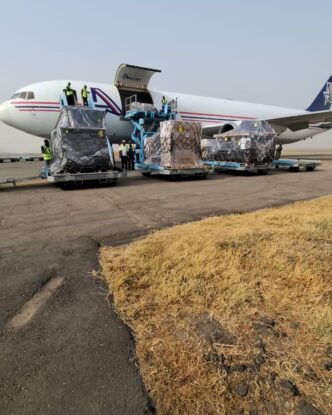
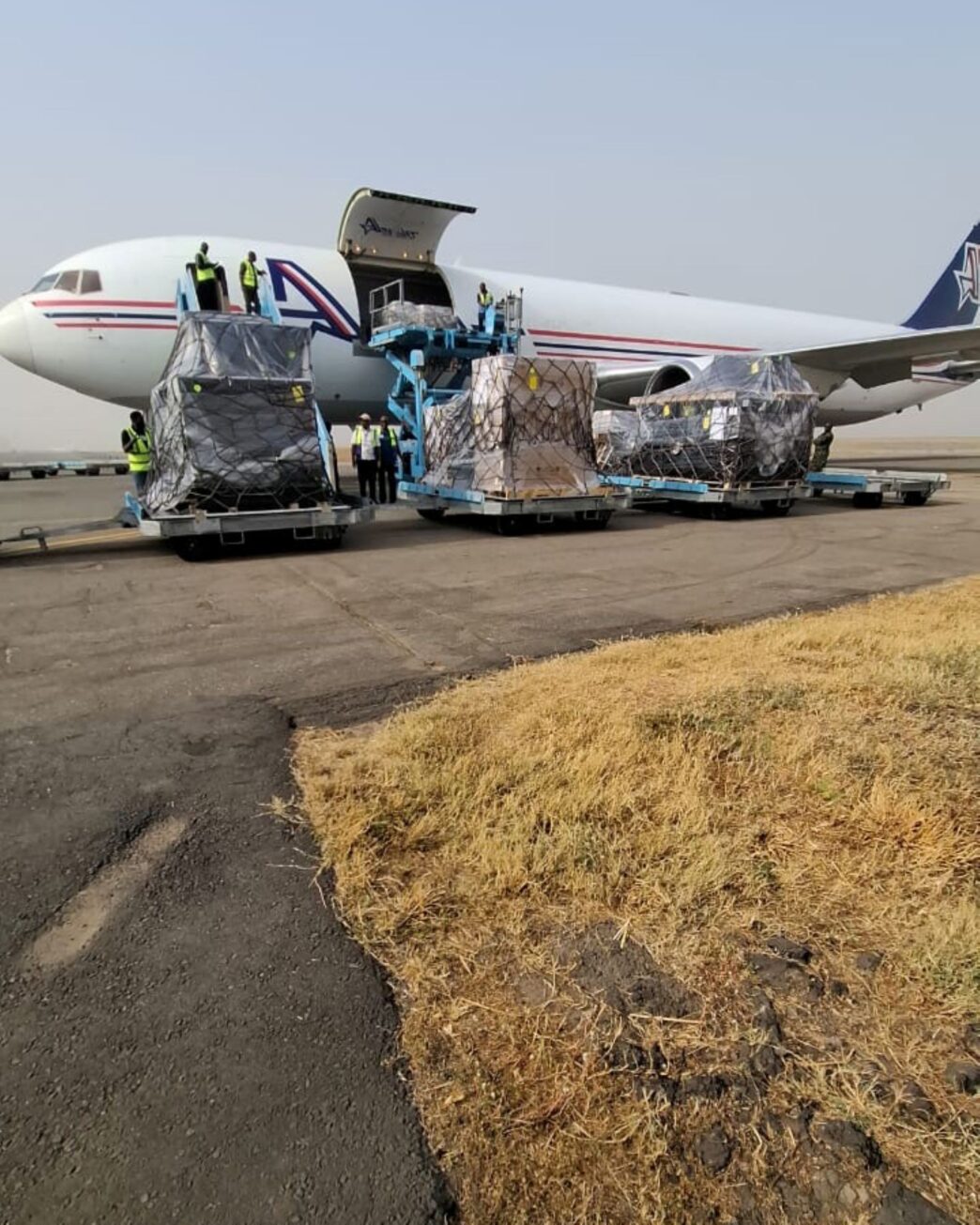
In a show of continuing security cooperation, the U.S. Africa Command announced on Tuesday the delivery of critical military supplies to Nigeria, noting that the handover “supports Nigeria’s ongoing operations and emphasises our shared security partnership.”
The shipment, received in Abuja, reflects a broader strategic relationship between both countries as they confront persistent security challenges—including extremist violence in northern Nigeria and the Lake Chad Basin.
The United States has been one of Nigeria’s most active security partners since Boko Haram’s rise in the early 2010s. Over the years, Washington has shared intelligence and supplied equipment ranging from surveillance tools to aircraft. The idea has always been to strengthen Nigeria’s ability to tackle extremist groups that threaten communities in the north and stretch into the Sahel.
That cooperation reached a more dramatic point in late 2025, when U.S. forces carried out a strike against Islamic State–linked militants in Sokoto State. Nigerian officials confirmed they shared intelligence for the mission, showing a level of operational trust that goes beyond training programmes and equipment sales.
For some Nigerians, the strike signalled seriousness in the fight against terrorism; for others, it raised questions about foreign involvement and sovereignty.
At the same time, the relationship has not been without friction. Nigeria was recently placed on the U.S. list of “Countries of Particular Concern,” a designation linked to religious freedom issues. Abuja pushed back, arguing that its security crisis is not a one-dimensional religious conflict.
The timing of the designation, coming shortly before the Sokoto strike, fed worries about inconsistent messaging between Washington’s diplomacy and its military cooperation.