Trending
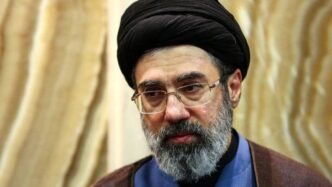
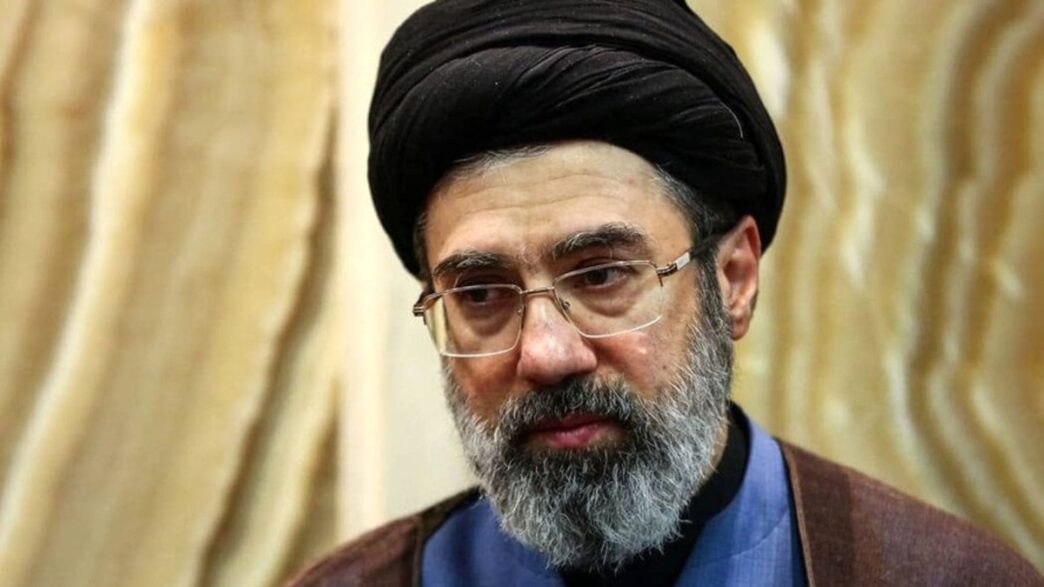
Iran’s Foreign Minister Abbas Araghchi has debunked claims by the United States (U.S.) suggesting that the country’s new Supreme Leader, Mojtaba Khamenei, is dead or injured.
Araghchi, in an interview on Sunday, said that Mojtaba is in “excellent health” after speculation over his condition following reports he was injured when the U.S. and Israel’s coordinated airstrikes hit Iran on February 28.
Mojtaba’s father, the late Iranian Supreme Leader, was killed on February 28 in the opening salvo of Operation Epic Fury.
Following Khamenei’s death, Mojtaba was appointed, but reports suggest he has not appeared in public since, triggering rumours.
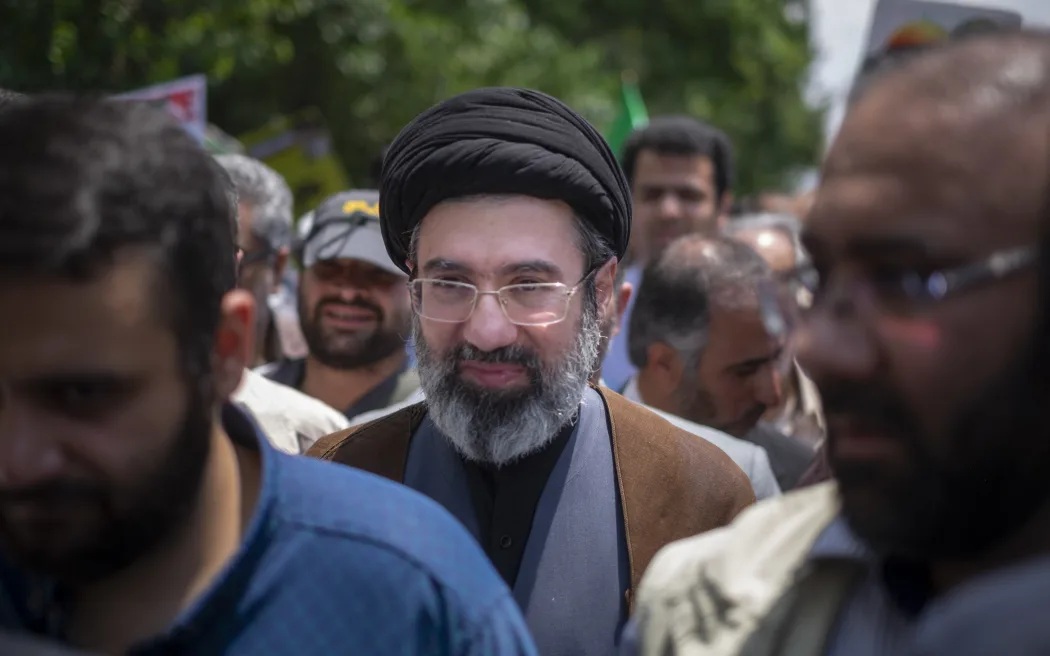
On Friday, U.S. War Secretary Pete Hegseth said Mojtaba was wounded, likely disfigured and in hiding, adding that the United States has damaged the country significantly.
U.S. President Donald Trump told NBC on Saturday that he was hearing that the new leader may already be dead.
Iran Defiant as U.S Threatens More Attacks
Trump has vowed to inflict more damage on Iran and launch more strikes against it this week as the war intensifies, but Iran remains defiant.
None of the warring sides has retreated since the February 28 strikes. Rather, they’ve all vowed to intensify the attacks even as world leaders and the United Nations call for a de-escalation.
Trump, who described the strike against Iran as “preemptive” after accusing the country of building nuclear weapons, said the U.S has caused the country a lot of damage.
“We’ve already damaged them so badly,” said Trump.
Hegseth echoed Trump’s threat on Friday, saying the U.S would bombard Iran more heavily than any other day so far in the war.
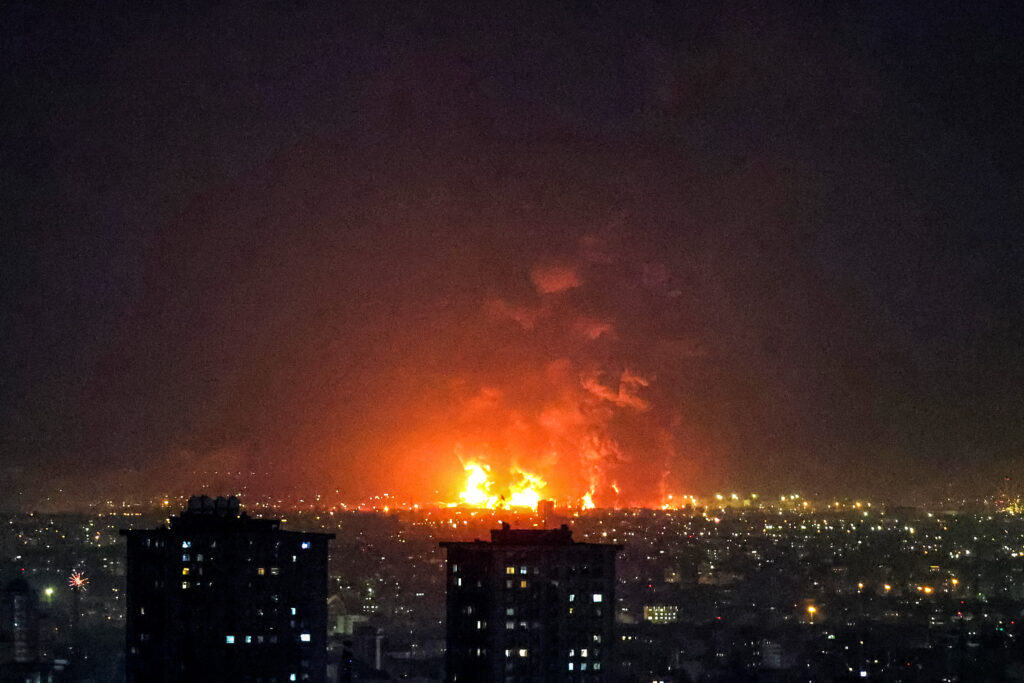
Credit: NBC News
“We’re shooting down and destroying what missiles they have in stock and, more importantly, ensuring they have no ability to build more,” said Hegseth.
But the secretary of the Supreme National Security Council, Ali Larijani, who attended the rally to mark Quds Day, the last Friday of Ramadan and a day of support for the Palestinian cause, said U.S. attacks are borne out of fear.
“These attacks are out of fear, out of desperation. It’s clear that it (the enemy) has failed,” said Larijani in a speech broadcast on state TV.
Iran has launched drone and missile strikes against neighbouring states hosting US military assets in the Middle East.
Iran’s Revolutionary Guards have all but closed the Gulf’s strategic Strait of Hormuz through which 20% of global oil supplies pass, triggering chaos in global markets and spiking oil prices.
A sailor stuck on one of the ships, unable to pass through the strait, Wang Shang, told AFP that he sees missile launches and hears explosions every day on the ship.
The International Maritime Organisation (IMO), the UN agency responsible for global shipping, said about 2,500 commercial ships and 20,000 seafarers were stranded around the Strait of Hormuz after the waterway became a war-risk zone during the ongoing Iran conflict.
Hezbollah Pulls Lebanon into The Conflict
As the United States and Israel continue to cooperate in the attack against Iran, the Lebanese militant group, Hezbollah, which is closely allied with Iran, fired rockets and drones into northern Israel on March 2, pulling Lebanon into the crisis.
Hezbollah said the attacks were retaliation for Iran and part of the wider “resistance” against Israel.