Trending
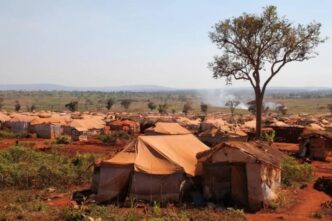
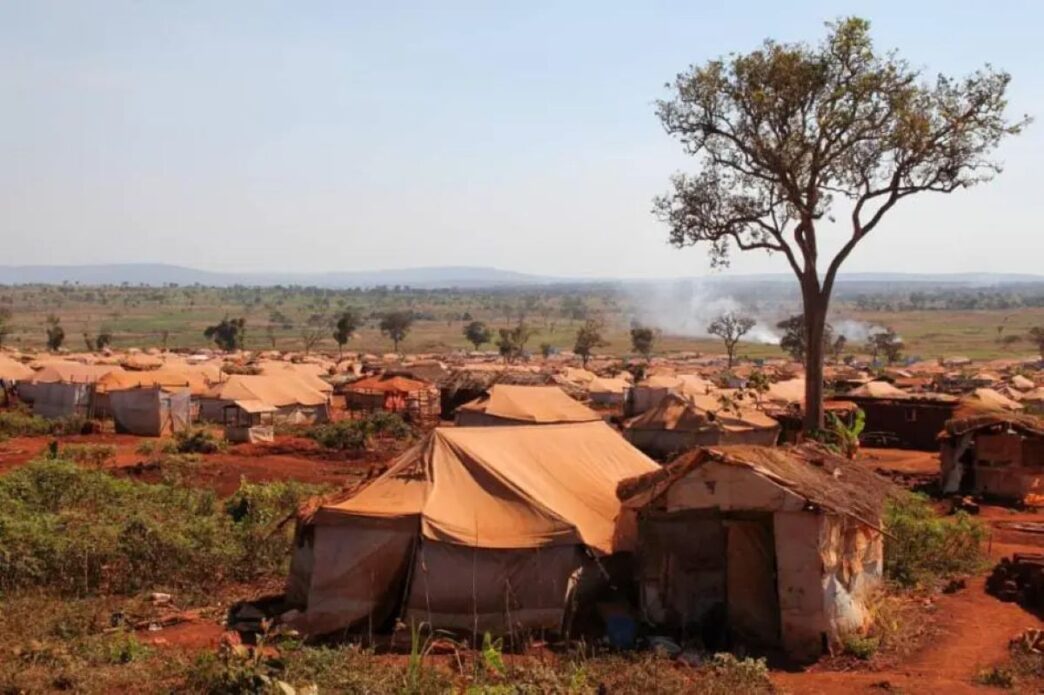
Burundian refugees in Tanzania say they are being forced out of camps after authorities allegedly began demolishing homes and churches, leaving many with little choice but to return to their home country after years in exile.
Burundi’s Interior Minister, Leonidas Ndaruzaniye, said that more than 100,000 Burundian refugees would be repatriated by June under an agreement reached with the Tanzanian government.
According to the United Nations Refugee Agency, about 142,000 Burundian refugees were living in the Nduta and Nyarugusu camps as of late 2025. Many fled Burundi due to years of civil conflict, political repression and economic hardship.
Several refugees told AFP that Tanzanian security forces had been supervising the destruction of homes inside the camps, forcing residents to leave.
A refugee identified as Gerard, a 33-year-old former nurse who lived in Nduta, said the demolitions began in January. He explained that officials used large logs to break down the mud-brick homes in the camp, adding that residents were unable to resist because police reportedly fired at those who tried to intervene.
Stephanie Schwartz, a researcher at the London School of Economics, described the situation as highly coercive, saying such actions were unlawful if refugees were being pressured to repatriate.
Some refugees expressed frustration that the United Nations refugee agency had not intervened more strongly.
Responding to the allegations, the United Nations High Commissioner for Refugees (UNHCR) said it had observed developments in the camps and had raised serious concerns with Tanzanian authorities over measures that appeared to pressure Burundian refugees to sign up for repatriation.
Under an agreement signed in December between Tanzania and Burundi, up to 3,000 refugees per week were expected to return home. UNHCR estimates that about 28,000 Burundians have already returned this year.
Tanzanian authorities did not respond to requests for comment.
However, a senior Burundian official, speaking anonymously, rejected claims of forced repatriation, insisting that refugees were returning voluntarily because the country was now peaceful. The official said only the homes of refugees who had agreed to return were being dismantled.
Human rights advocates, however, warn that some returning refugees risk being targeted by the Burundian government as political dissidents.