Trending

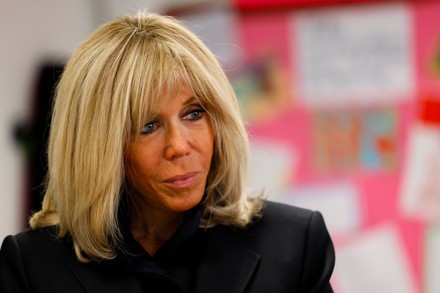
A Paris court on Monday convicted 10 people for the online harassment of France’s first lady, Brigitte Macron.
The court found that the eight men and two women had engaged in malicious cyber harassment by circulating unfounded allegations about Brigitte’s gender and sexuality. Among the falsehoods repeated online was the claim that she was born under the name Jean-Michel Trogneux, which is in fact the name of her older brother.
Brigitte and her husband, President Emmanuel Macron, have for years been targets of such rumours, as well as criticism linked to their 24-year age difference.
While the couple largely ignored the attacks in the past, they have recently begun contesting them through legal action.
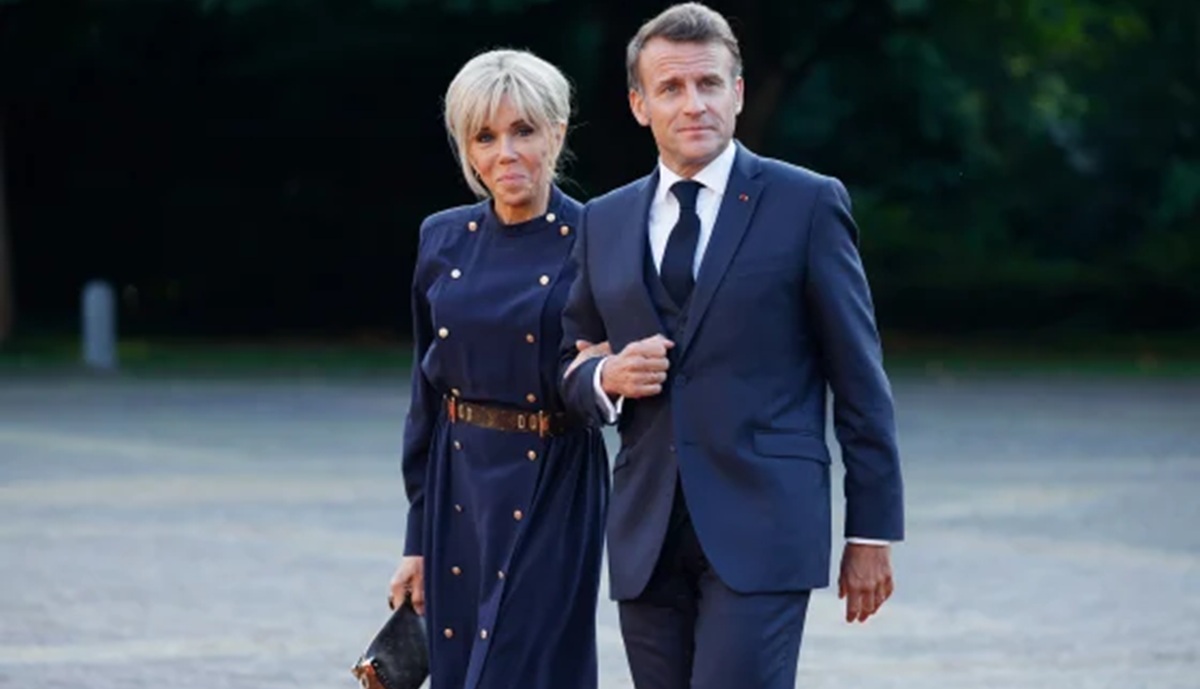
Credit: NBC
Monday’s ruling was seen as a legal victory for the Macrons, who are also pursuing a separate defamation case in the United States against right-wing influencer and podcaster Candace Owens, accused of repeating similar claims.
The court ruled that some of the defendants went as far as likening the age gap between Brigitte and Emmanuel Macron to paedophilia. Sentences varied as one person received a six-month prison term without suspension, while others were handed suspended sentences of up to eight months.
Additional penalties included fines, compulsory cyber-harassment awareness courses and bans for five of the convicted individuals from using the social media platforms where the posts were made.
The verdict comes admist wider tensions between Europe and the United States over online speech regulation, with the Trump administration portraying European efforts to tackle disinformation as censorship.
Several of the defendants argued that their online remarks were satirical, a defence the court rejected.
One of those convicted, art gallerist and writer Bertrand Scholler, who received a six-month suspended sentence, said he would appeal. He criticised the ruling, arguing that it reflected what he described as a decline in freedom of expression in French society.
Speaking in a television interview on Sunday night, Brigitte Macron explained that her decision to challenge cyber harassment was driven by a desire to set an example, particularly for younger people.
She said the attacks against her had been relentless and had included incidents where her online tax records were tampered with to alter her identity.
She also expressed frustration that her attackers dismissed clear evidence of her gender, stressing the importance of official documents such as birth certificates in establishing identity.