Trending
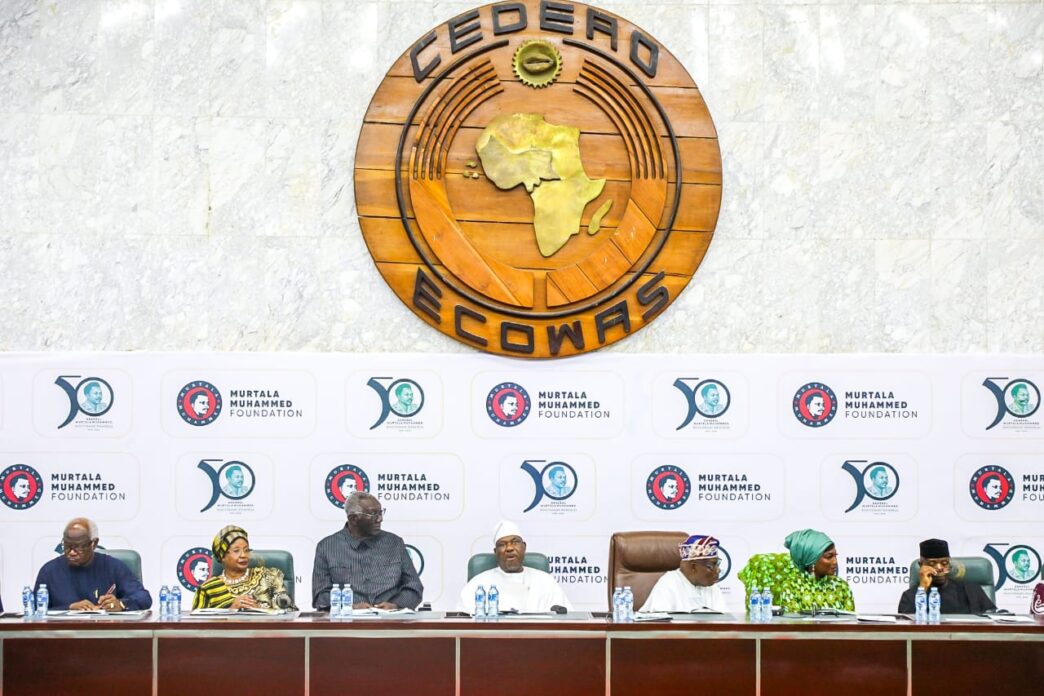
President Bola Tinubu has said that the legacy of former Head of State, Murtala Mohammed, continues to serve as a guiding light for Nigeria and the wider African continent as they confront modern political and economic challenges.
Tinubu made the remarks during the 50th memorial anniversary of the late military leader. He was represented at the event by the Secretary to the Government of the Federation (SGF), Senator George Akume.
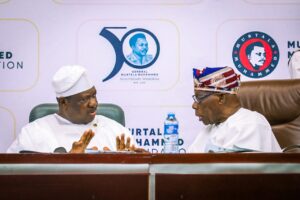
The President described Mohammed as an exceptional African statesman whose decisive leadership continues to resonate five decades after his assassination. He said he readily accepted the role of Grand Patron of the memorial conference and book launch following a request from former President Olusegun Obasanjo, who chairs the Murtala Mohammed Foundation.
Reflecting on Mohammed’s impact, Tinubu noted that 50 years after his death, Nigerians and Africans were being called to reassess the continent’s direction in light of his ideals.
“It has been 50 years since the assassination of General Murtala Mohammed. Today, this great leader, a remarkable son of Nigeria and Africa, has summoned us to reflect on the state of our continent,” Tinubu said.
He recalled the late leader’s landmark 1976 address in Addis Ababa at a meeting of the Organisation of African Unity, where he declared that Africa had matured and should no longer be dictated to by global powers.
According to the President, that speech marked a turning point in Nigeria’s foreign policy and showed Africa’s determination to shape its own destiny during the Cold War.
He described the 1970s as a defining era for Nigeria’s diplomacy, characterising it as the “Murtala Mohammed age.”
Tinubu further stated that the former Head of State was a strong advocate of African-led solutions, backing liberation movements in Angola and Mozambique and elevating Nigeria’s voice on continental matters.
He also pointed to the achievements of Mohammed’s 201-day administration, including major civil service reforms, the conception of the Federal Capital Territory, Abuja, and the launch of a transition programme toward civilian rule.
Although his time in office was cut short, Tinubu said Mohammed’s patriotism, discipline and clarity of purpose cemented his reputation as one of Nigeria’s most distinguished leaders.
The President urged current African leaders to uphold the values he represented, including accountable governance, conflict resolution, poverty alleviation, improved education, and economic transformation driven by value addition to local resources.
He stressed that Africa’s true maturity would be realised when governments create meaningful opportunities for young people at home and prioritise citizens’ welfare.