Trending

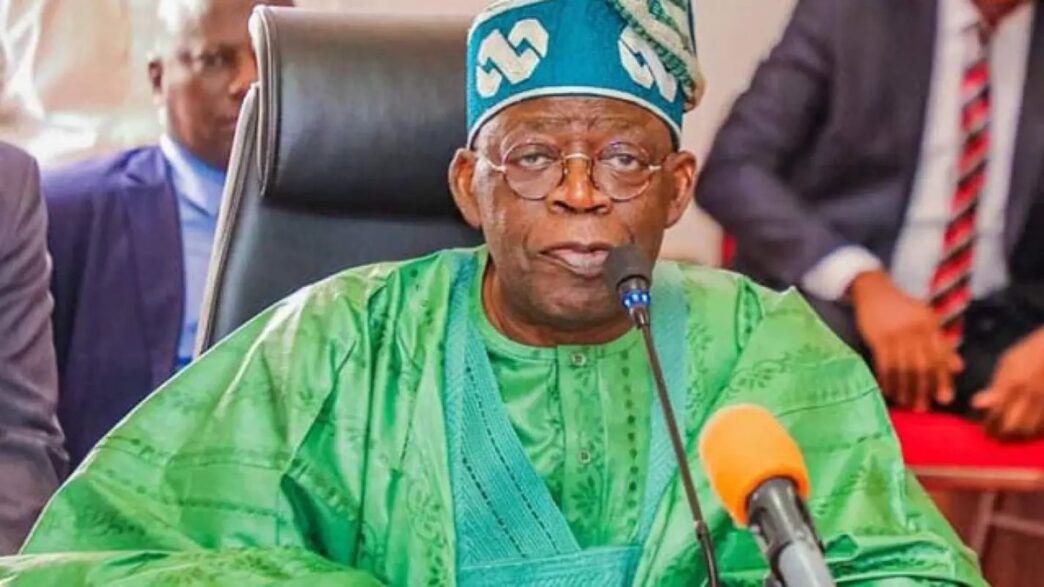
Nigerian President Bola Tinubu has urged West African and Sahel countries to revive a regional standby force as part of renewed efforts to confront rising security threats across the region.
According to a statement released in Abuja on Saturday, January 31, by Ambassador Bianca Odumegwu-Ojukwu’s Special Assistant on Communications and New Media, Magnus Eze, the president reaffirmed Nigeria’s commitment to regional peace and stability, stressing that worsening insecurity in the Sahel requires deeper cooperation among affected states.
He also proposed that Nigeria’s National Counter Terrorism Centre (NCTC) in Abuja be adopted as a shared intelligence and coordination centre.
The president said that Nigeria supports broader multilateral approaches to addressing the crisis, noting that the country continues to disrupt terrorist networks through collaboration with regional and continental intelligence bodies.
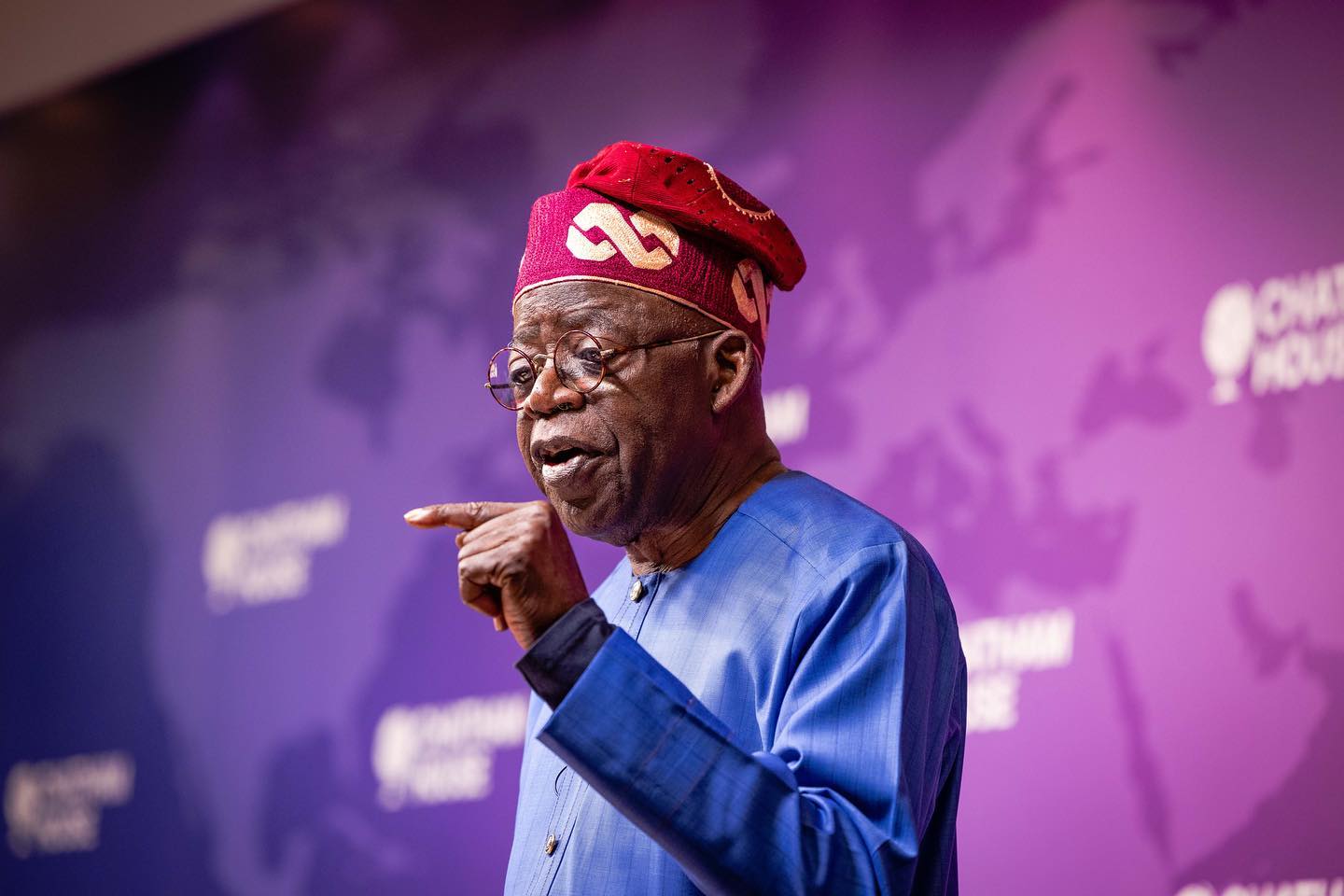
Tinubu recalled that Nigeria strengthened its counterterrorism efforts in 2025 when the NCTC entered into a formal partnership with the African Union to combat terrorism and violent extremism across the continent.
He stated that the centre is strategically positioned to support regional security mechanisms and coordinate intelligence-sharing efforts.
The president also warned that extremist groups are increasingly exploiting cyberspace to spread false information and destabilising narratives, undermining security across West Africa.
He emphasised that security cooperation remains a core element of Nigeria’s national interest and regional stability, noting that collective action, intelligence exchange and coordinated operations are critical to countering terrorism, organised crime and other cross-border threats.
“Security cooperation remains central to Nigeria’s national interest and regional stability. Through joint initiatives, intelligence sharing and coordinated operations, Nigeria seeks to enhance our collective ability to combat terrorism, transnational organised crime and other forms of insecurity that undermine our individual and collective development,” he said.
Tinubu hinted that violence continues to escalate in many parts of West Africa, with women and children among the growing number of casualties.
He attributed the expansion of militant activities to gaps in regional coordination, overstretched security forces and the absence of a unified counterterrorism focal point.
According to him, these weaknesses have allowed terrorist groups operating in the Sahel to expand southward into coastal West Africa, with Nigeria, Benin, Togo, and Ghana increasingly affected.
The president also identified political divisions within the region, including tensions between ECOWAS and the Alliance of Sahel States (AES), reliance on external actors and reluctance to align defence decisions with regional bodies as major barriers to effective security cooperation.
He has called for a clear separation between political disagreements and collective security efforts, arguing that sustainable peace would remain elusive without unified action.
“To address longstanding and emerging misapprehensions among member states, there is a need to separate political proclivities from security collaborative initiatives, to pave the way for sustainable security partnerships.”
He further urged ECOWAS and AES member states to ease tensions and rebuild inclusive regional frameworks based on shared security and economic interests, expressing confidence that discussions at the Conference on Security Situation, Operational Challenges and Future Risk Trajectories in West Africa and the Sahel, held in Accra, would help lay the foundation for a more coordinated and durable counterterrorism strategy.