Trending
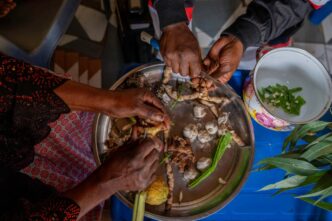
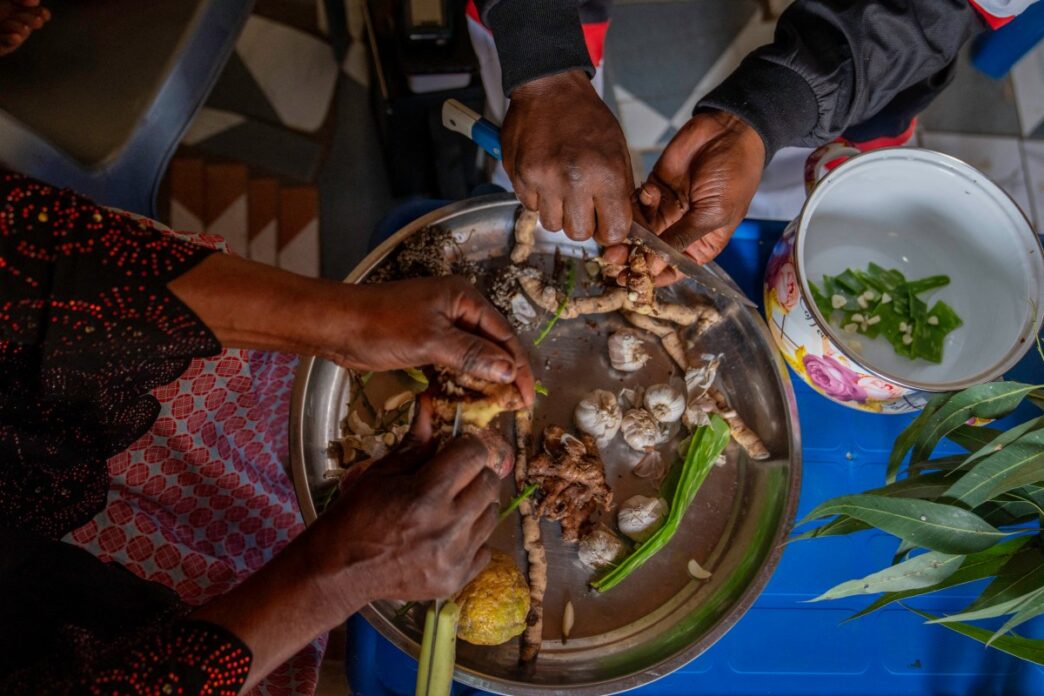
In her garden in Bunia, the capital of Ituri province in eastern Democratic Republic of Congo, traditional healer Mariam Kabika meticulously searches for ingredients to treat Ebola, a deadly virus sweeping through the region.
“I’m looking for eucalyptus leaves, avocado leaves, mango leaves and papaya leaves,” she said, preparing for what she and her husband, Dauda Tshimanga, call their “laboratory of the ancestors.”
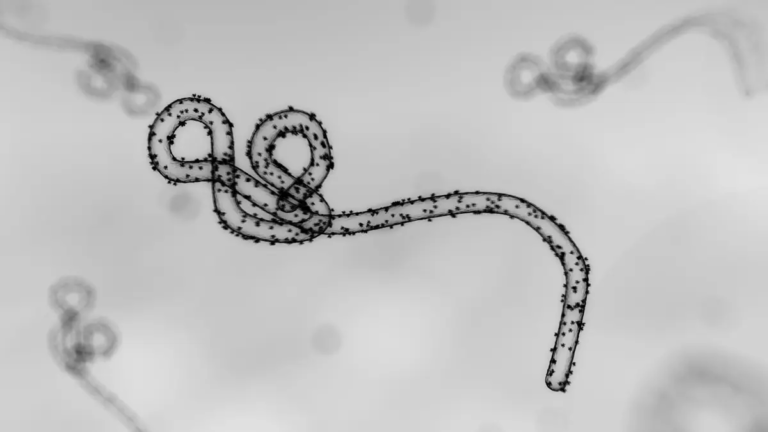
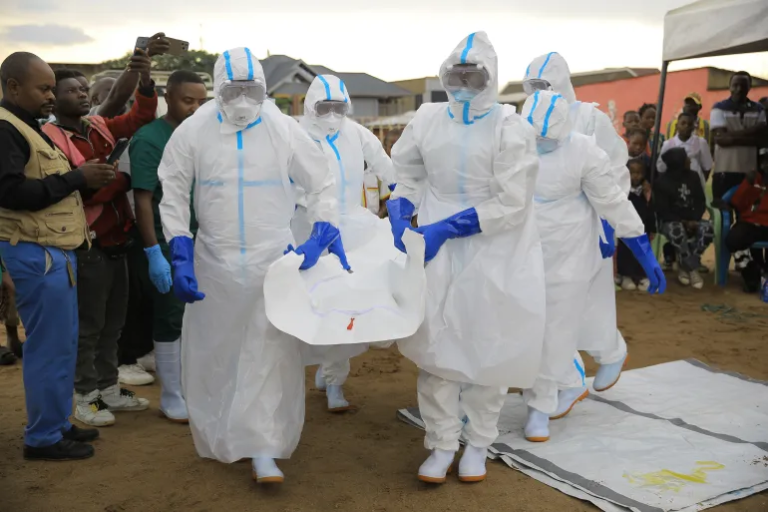
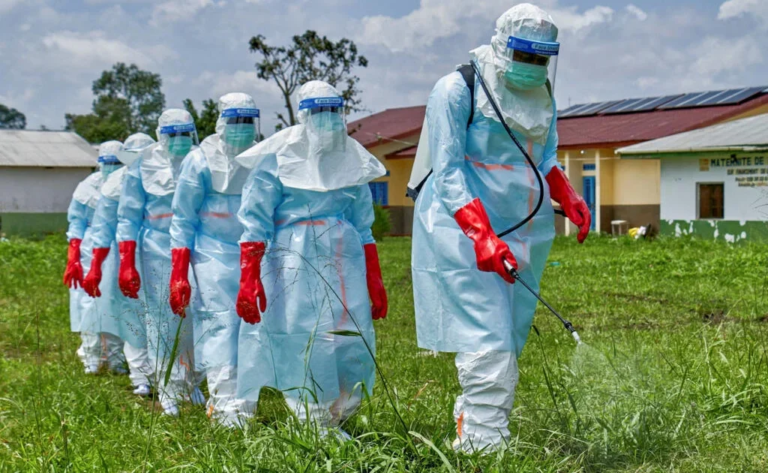
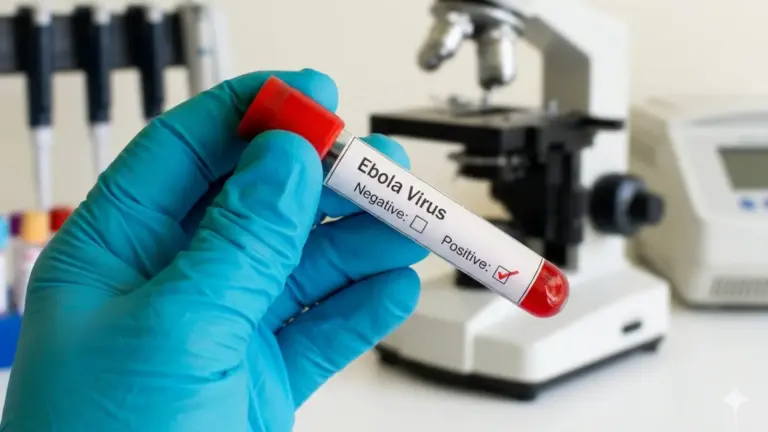
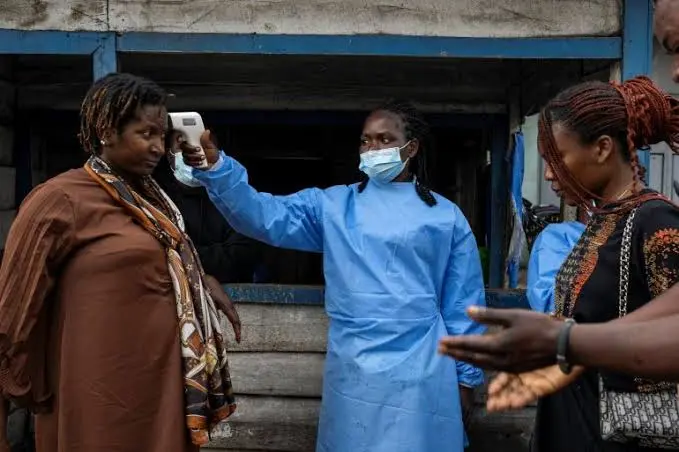
Ituri, a mineral-rich but impoverished area, has been plagued by decades of conflict, leaving state services weak or absent. The current Ebola outbreak, declared on May 15, marks the country’s 17th. According to the World Health Organisation (WHO), 359 people have been infected so far, with 61 confirmed deaths. Health workers responding to the outbreak often face deep mistrust from local communities.
Read More : Ebola: Bundibugyo Strain Shows No Early Symptoms
Traditional healers like Kabika, who are trusted by locals, have found themselves on the frontline. While there is no approved vaccine or treatment for the Bundibugyo strain causing this flare-up, the couple claim to have developed a herbal remedy. ,
“If the patient does not get better with the plants we have prepared, we bring them into this laboratory to invoke the spirits and ask the ancestors for help,” Tshimanga explained.
The hut where they practice is filled with amulets, perfumes to ward off evil, and herbal concoctions. The walls list ailments they treat, including Ebola.
During previous outbreaks, Tshimanga says, “we cured many people who came in bleeding, with fever,” though no patient has yet tried the treatment in the current outbreak.
Their practice as traditional practitioners is not officially recognised, but in regions with failing health infrastructure, locals often consult healers before seeking medical care.
Dr Willy Beiza in Bunia warned that traditional remedies, given without supervision, can delay proper diagnosis, leaving patients in critical condition.
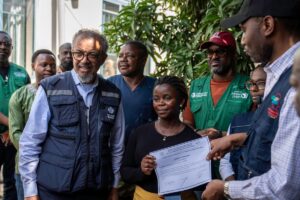
WHO chief Tedros Adhanom Ghebreyesus highlighted the challenge of “community mistrust,” noting that some leaders even question Ebola’s existence. The WHO emphasises that integrating communities and respecting ancestral practices are crucial to an effective response, as seen in previous outbreaks, where isolation rituals and bans on certain burial practices helped contain the virus.
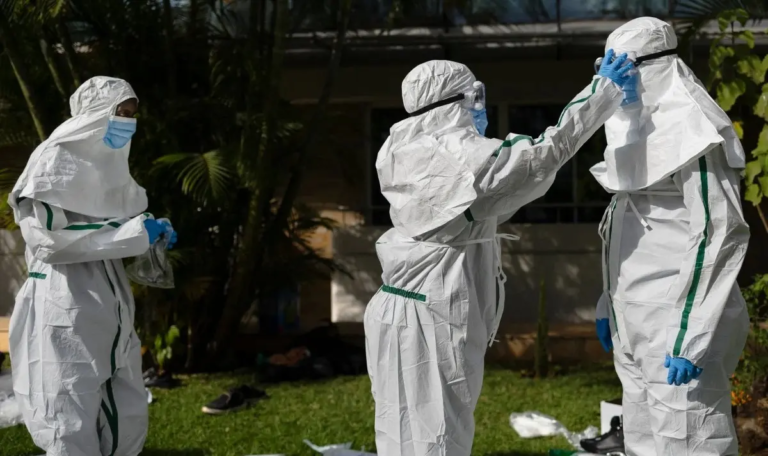
Efforts to involve traditional healers are underway. Marie Roseline Belizaire, WHO’s head of emergencies for Africa, has asked traditional practitioners to refer patients to health centres, adding that protective equipment will be provided to them.