Trending
Malawi’s recent deal with the United States-based trading firm Traxys North America has sparked mixed reactions about its potential benefits for the country.
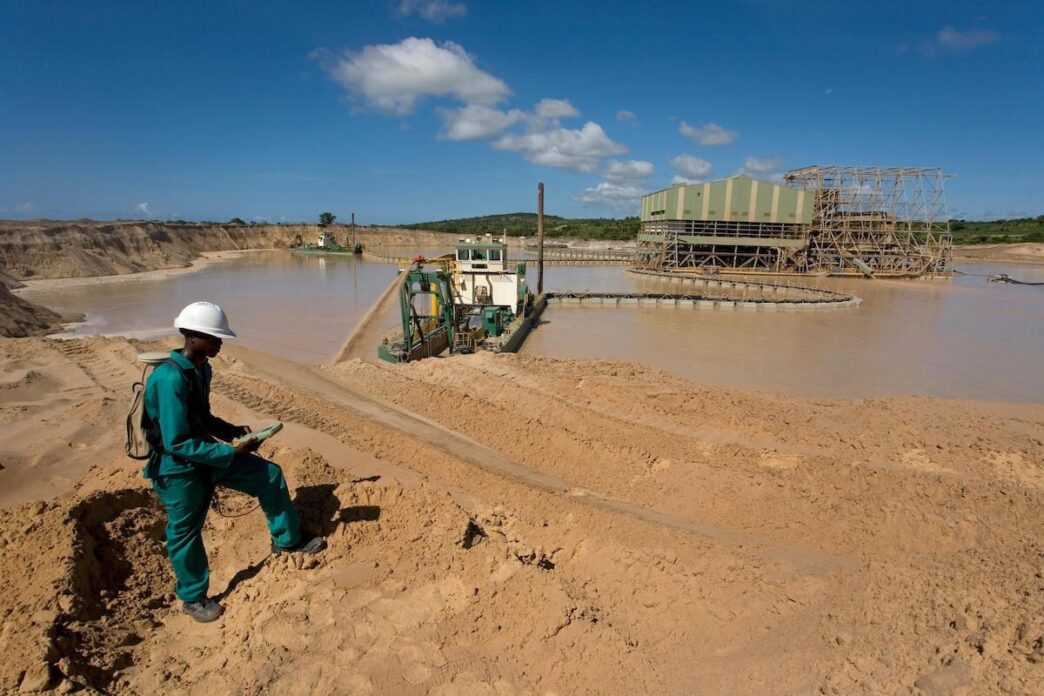
Signed during the 2026 Mining Indaba in Cape Town, the Memorandum of Understanding (MOU) focuses on the Kasiya rutile-graphite project in Lilongwe, a venture that could shape the country’s role in global mineral supply chains.
The MOU outlines a supply agreement spanning 5-10 years, with Traxys aiming to market up to 40,000 tonnes of graphite per year from the Kasiya project, with future targets of 80,000 tonnes annually. The graphite, a mineral recognised by the US Geological Survey as critical for industries ranging from battery production to nuclear reactors, holds significant value in today’s tech-driven world.
However, while the agreement is celebrated as a step towards diversifying Malawi’s economy, scepticism lingers about its long-term impact.
Frank Eagar, CEO and Managing Director of the Kasiya Rutile and Graphite Project, emphasised that Malawi has the potential to become a crucial player in securing diversified supply chains for the United States and its allies. He highlighted the economic growth the project could bring, particularly through job creation, royalties, taxes, and secondary economic benefits.
Despite these optimistic projections, concerns remain. For decades, Malawi has exported raw materials with little value added, and experts question whether this deal will truly transform the economy. While the project promises growth, there are fears that Malawi could remain a mere supplier of unprocessed minerals, with minimal domestic economic advancement.
The inclusion of graphite in the United States’ strategic critical minerals reserve under the US$12 billion Project Vault adds another layer of complexity. Will this deal elevate Malawi’s mineral sector or further entrench its position as a raw material exporter?