Trending
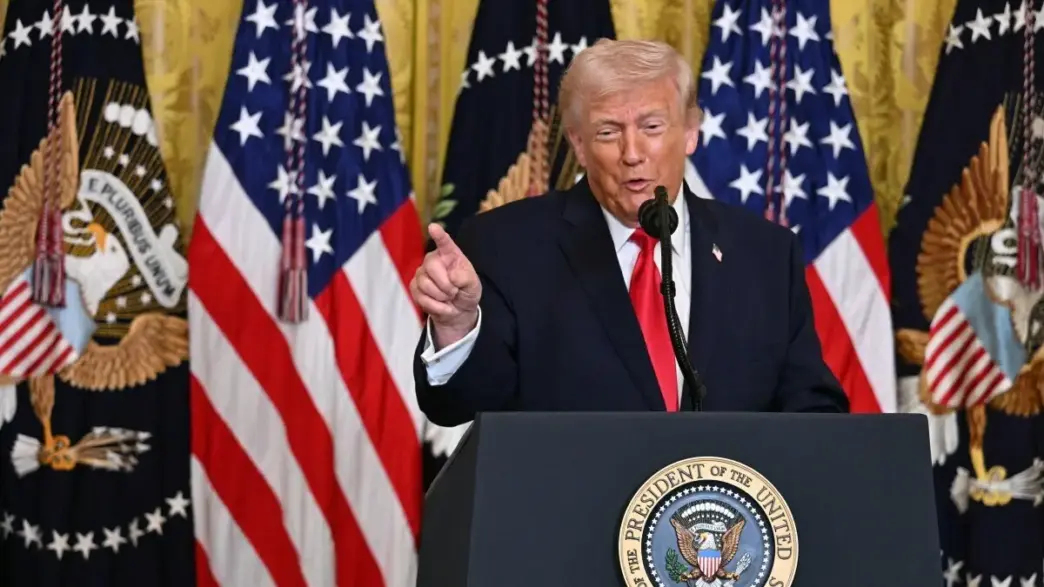
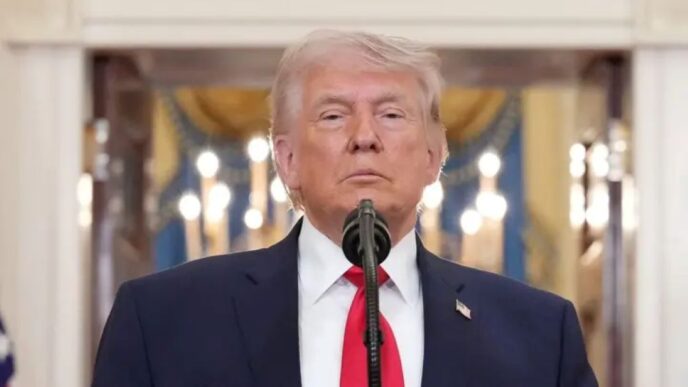
U.S. President Donald Trump on Thursday signed executive orders introducing new tariffs on certain foreign-made medicines and revising duties on metals as part of his administration’s trade policy.
The latest pair of orders he signed pile pressure on pharmaceutical companies to manufacture more in the United States while separately targeting firms that officials accuse of “artificially manipulating” metals prices.
Finished products containing substantial amounts of steel, aluminum and copper will also face a lower 25-percent tariff on their full value instead of being targeted for the amount of metals they contain, a move to simplify an onerous system for firms.
It is not immediately clear how these would affect consumer prices, but a senior US official told reporters they did not expect to see any effect on affordability.
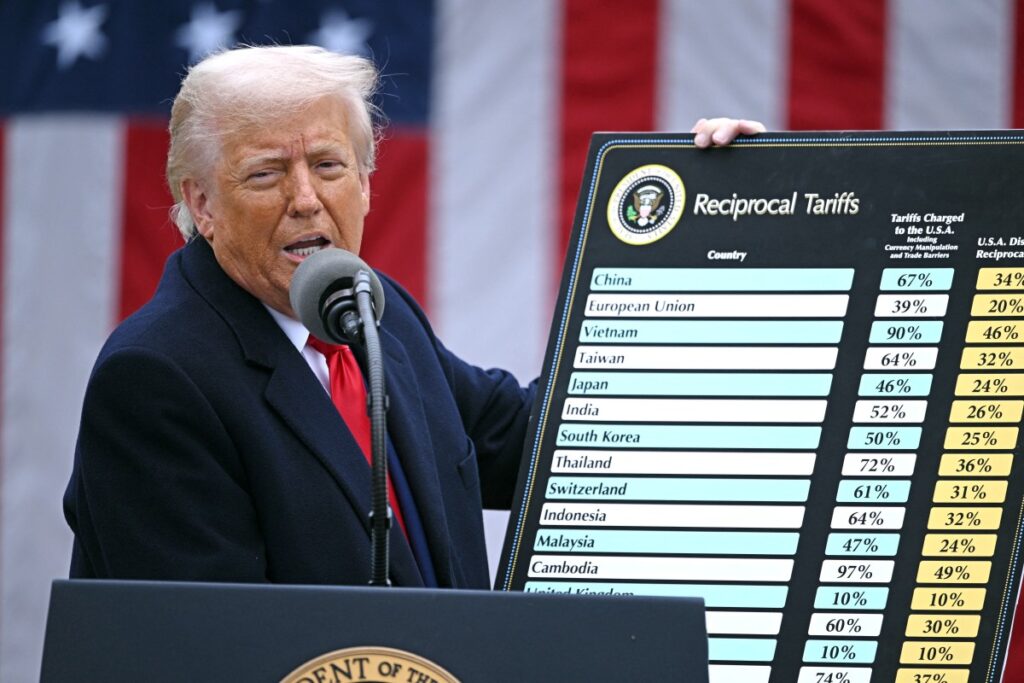
The moves come on the anniversary of what Trump had dubbed “Liberation Day,” when he announced tariffs on goods from dozens of economies last year, roiling financial markets and snarling supply chains.
Although the Supreme Court struck down these global tariffs this February, Trump has been working to reinstate duties using different authorities.
His aim of “Liberation Day” was the rebirth of American industry, bringing an influx of jobs, revenue and an investment boom — although critics argue that these have largely not taken place.
Making good on his threat last fall, one of Trump’s Thursday orders imposes a 100-percent tariff on patented pharmaceuticals made abroad unless countries struck trade deals to secure lower rates, or companies commit to building plants in the United States.
Large companies will have 120 days to commit to “reshoring plans” before the steep duty kicks in, while smaller companies have a 180-day buffer, a senior US official told reporters.
“We expect the lion’s share of the world’s patented pharmaceuticals to be building in America,” the official said.
Those who commit to building manufacturing plants — to be completed by the end of Trump’s second presidency — will face a 20-percent tariff instead.
The European Union, Japan, South Korea and Switzerland will be excluded from this plan and face a 15-percent pharma duty, due to trade deals they earlier struck with Washington.
Britain, meanwhile, has secured a deal allowing UK-made medicines tariff-free access to the United States for three years as part of a broader pact, the US Trade Representative’s office said.
Meanwhile, drug companies that reach “Most Favored Nation” pricing deals with the Trump administration, while also building plants in the United States, can also be exempt from the sharp pharma tariff.
Generic pharmaceutical products are not subject to tariffs, and this will be reassessed in a year’s time, said a White House fact sheet.
The second order Trump signed reshapes his 50-percent tariffs on steel, aluminum and copper, pushing importers to pay the duty based on prices that American buyers are facing.
It is set to take effect 12:01am Eastern Time on Monday, a White House official told AFP.
The senior administration official charged that “foreign countries were artificially manipulating” prices of imported metals in order to pay a lower tariff.
The same proclamation called for finished products made with more than 15 percent of steel, aluminum and copper will face a 25-percent tariff on their full value, rather than being targeted based on their metal content.
“It’s a simplification and a fairness issue,” the official said.
Asked about cost-of-living concerns, which have flared ahead of this year’s midterm elections, the official maintained that this should not affect household affordability.
“These will not have impact on the price of the good on the shelf,” the official insisted.