Trending
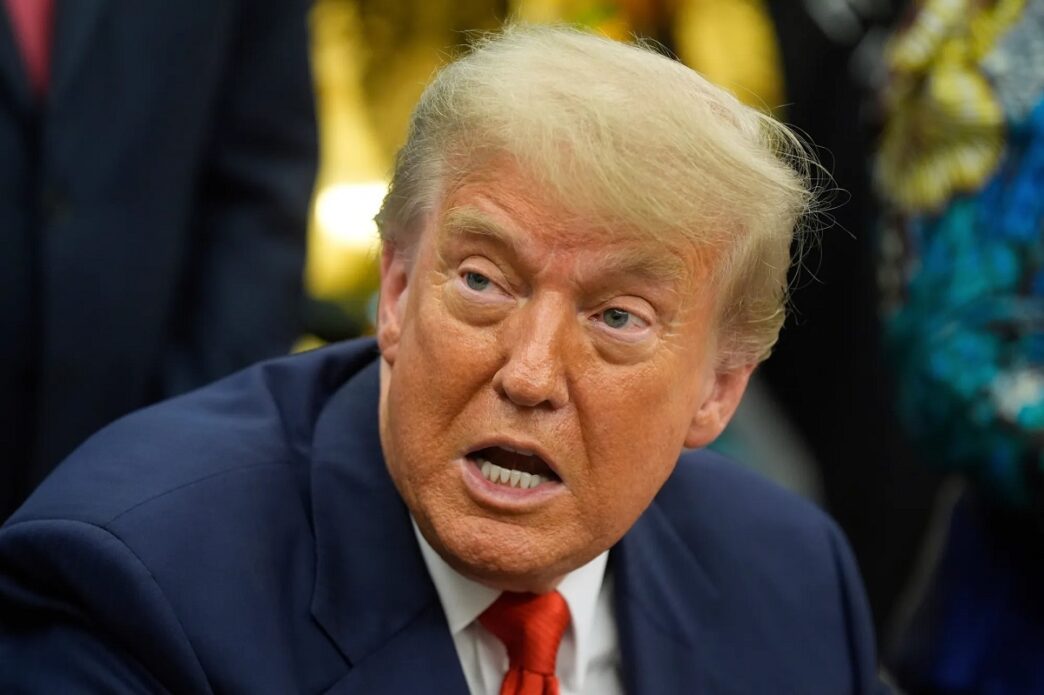
US President Donald Trump has signed an executive order designed to prevent individual states from enforcing their own artificial intelligence (AI) regulations.
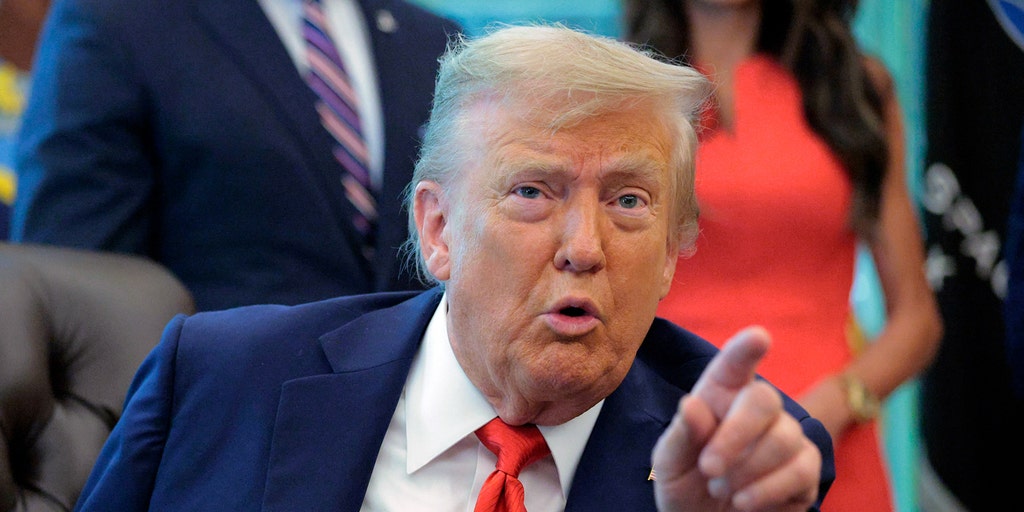
“We want one central source of approval,” Trump told reporters in the Oval Office on Thursday.
White House AI adviser David Sacks said the order will give the administration the means to challenge the most “onerous” state rules, though he noted the government would not oppose regulations concerning children’s safety.
The decision represents a victory for major technology companies that have pushed for nationwide AI legislation, arguing that inconsistent state rules could hinder America’s ambition to lead the rapidly advancing sector.
Executives from leading AI firms have long warned that state-by-state regulations may slow innovation and weaken the US in its competition with China, as companies continue to invest billions of dollars in the technology.
The BBC has approached OpenAI, Google, Meta and Anthropic for comment.
However, the announcement has drawn swift criticism.
California, home to many of the world’s largest tech firms, already operates under its AI regulations. Its governor, Gavin Newsom—a frequent critic of Trump—issued a strongly worded statement accusing the president of corruption.
“Today, President Trump continued his ongoing grift in the White House, attempting to enrich himself and his associates with a new executive order seeking to override state laws that protect Americans from unregulated AI technology.”
Earlier this year, Newsom approved legislation requiring major AI developers to outline how they intend to manage risks associated with their models. States such as Colorado and New York have also introduced their own laws governing AI development.
Newsom maintains that California’s law offers a template for national lawmakers.
Other critics argue that state regulations are vital in the absence of robust federal protections.
“Preventing states from enacting their own AI safeguards undermines their basic rights to establish the guardrails needed to protect their residents,” said Julie Scelfo of the advocacy group Mothers Against Media Addiction.
Michael Goodyear, an associate professor at New York Law School, added that while a single federal framework would be preferable to a patchwork of state laws, this depends on the quality of the eventual federal legislation.
The tech lobby group NetChoice welcomed the executive order. Its policy director, Patrick Hedger, said, “We look forward to working with the White House and Congress to create nationwide standards and a clear rulebook for innovators.”