Trending
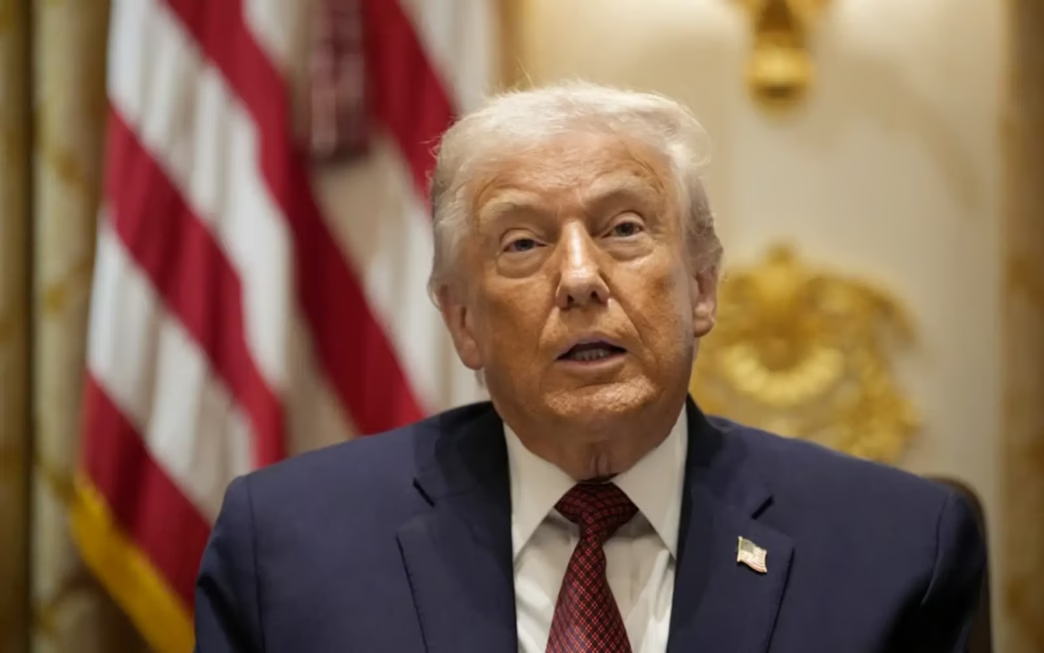
US President Donald Trump stated on Wednesday that the United States would only consider a truce once the strategic Strait of Hormuz is “open, free, and clear.”
While Trump claimed that the Iranian presidency had initiated a request for a ceasefire, Tehran quickly denied these reports, asserting that no negotiations are currently underway.
The U.S. president maintained a combative stance on social media ahead of a highly anticipated national address, threatening to continue intense military strikes until the maritime blockade—which has paralysed a fifth of the world’s oil supply—is lifted.
The conflict escalated further on Wednesday evening as Iran’s Revolutionary Guards launched a fresh barrage of missiles and drones targeting Israeli cities and U.S. military bases in Bahrain and Kuwait.
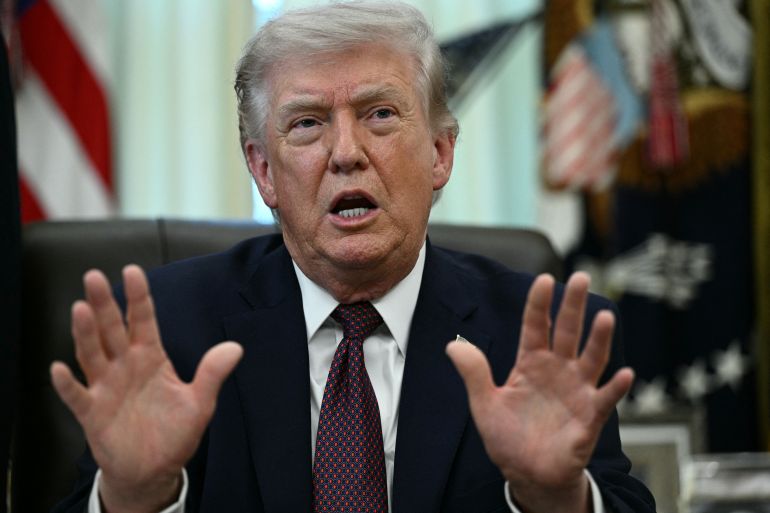
Massive explosions were reported in Tehran, including strikes near the former U.S. embassy, while Iranian state media confirmed damage to a passenger airport in Isfahan and several steel complexes.
Meanwhile, in Israel, air-raid sirens disrupted the start of Passover as munitions fragments wounded 14 people in the Tel Aviv area, including an 11-year-old girl.
The humanitarian and economic toll of the five-week war continues to mount across the Middle East and beyond.
In Lebanon, Israeli strikes reportedly killed seven people in south Beirut, while falling shrapnel from an intercepted drone claimed the life of a Bangladeshi national in the UAE.
Global energy markets remain in turmoil; although stock markets saw a brief rally following Trump’s suggestion that the war could end soon, U.S. gasoline prices have officially climbed above $4 a gallon.
Governments across Europe and Asia are now struggling to implement emergency measures to counteract soaring inflation and diesel costs.