Trending
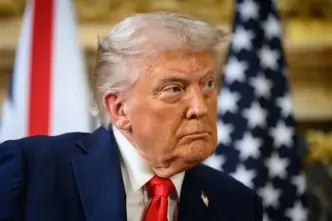

US President Donald Trump announced on Saturday an immediate increase in global import tariffs, raising the rate from 10% to 15%.
This move comes just 24 hours after the Supreme Court issued a major ruling that significantly restricted his administration’s ability to impose broad, sweeping duties.
Trump utilised his Truth Social platform to denounce the court’s Friday ruling, labelling it an “extraordinarily anti-American decision.”
He asserted that his administration had completed a thorough review of the verdict and decided to hike the levies to what he described as the “fully allowed and legally tested” 15 per cent level.
The move marks a swift pivot in strategy after the conservative-majority court ruled that the 1977 law Trump had been using did not grant the president the authority to unilaterally impose such tariffs.
Following the ruling, Trump initially announced a 10 per cent duty as a placeholder before quickly raising it to 15 per cent.
This aggressive manoeuvring appears to be a direct attempt to circumvent the court’s rebuke and maintain the signature trade policy that has defined his second term.
Under current law, this new 15 per cent duty is designated as a temporary measure, permitted for a maximum of 150 days.
To ensure the tariffs remain in place long-term, the White House indicated it will spend the coming months pursuing “legally permissible” alternative avenues.
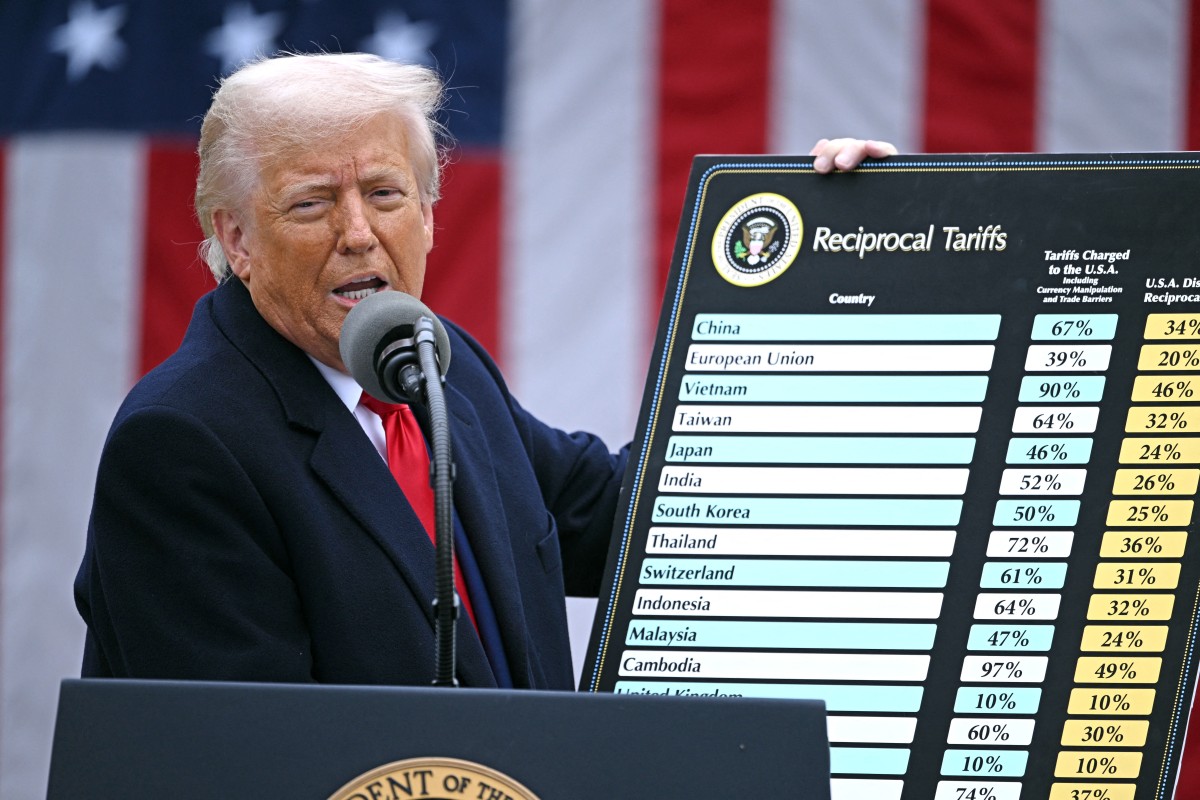
While the broad duty applies to most imports, the administration clarified that exemptions remain for goods covered under the US-Mexico-Canada Agreement (USMCA) and specific sectors currently under separate regulatory investigations, such as the pharmaceutical industry.
The President’s reaction to the judicial setback was notably personal, as he lashed out at the justices—including two he appointed—accusing them of lacking “the courage to do what’s right.”
He even alleged, without providing evidence, that the court had been swayed by foreign interests.
This latest development adds further volatility to a global trade environment that has seen a year of constantly shifting rates as the administration uses tariffs to both pressure and penalise international trading partners.