Trending
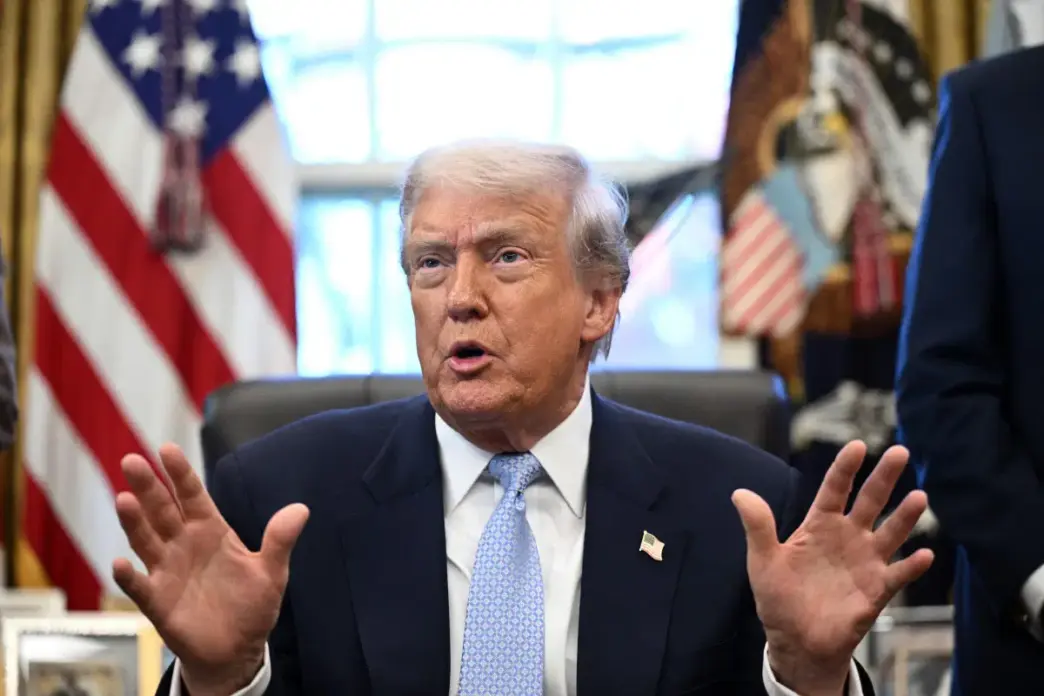
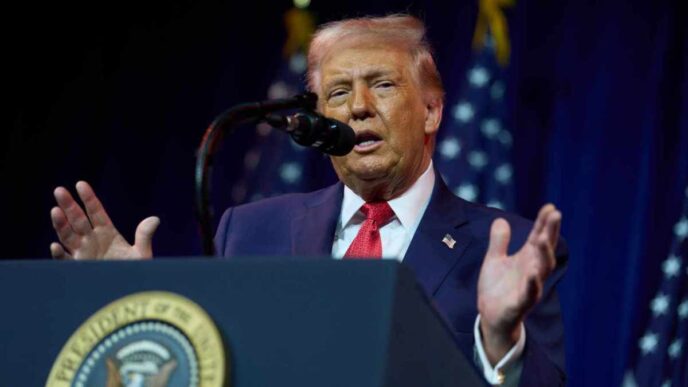
US President Donald Trump has named former Federal Reserve governor Kevin Warsh as his nominee to lead the US central bank, bringing an end to months of speculation over who would succeed current Fed Chair Jerome Powell.
Announcing the choice on his Truth Social platform, Trump said Warsh had long proven himself capable of leading the Federal Reserve and expressed confidence that he would rank among the most effective Fed chairs in the institution’s history.
He noted that Warsh possessed the abilities required for the role and would not disappoint.
“I have known Kevin for a long period of time and do not doubt that he will go down as one of the GREAT Fed Chairmen, maybe the best.
“On top of everything else, he is central casting, and he will never let you down.”
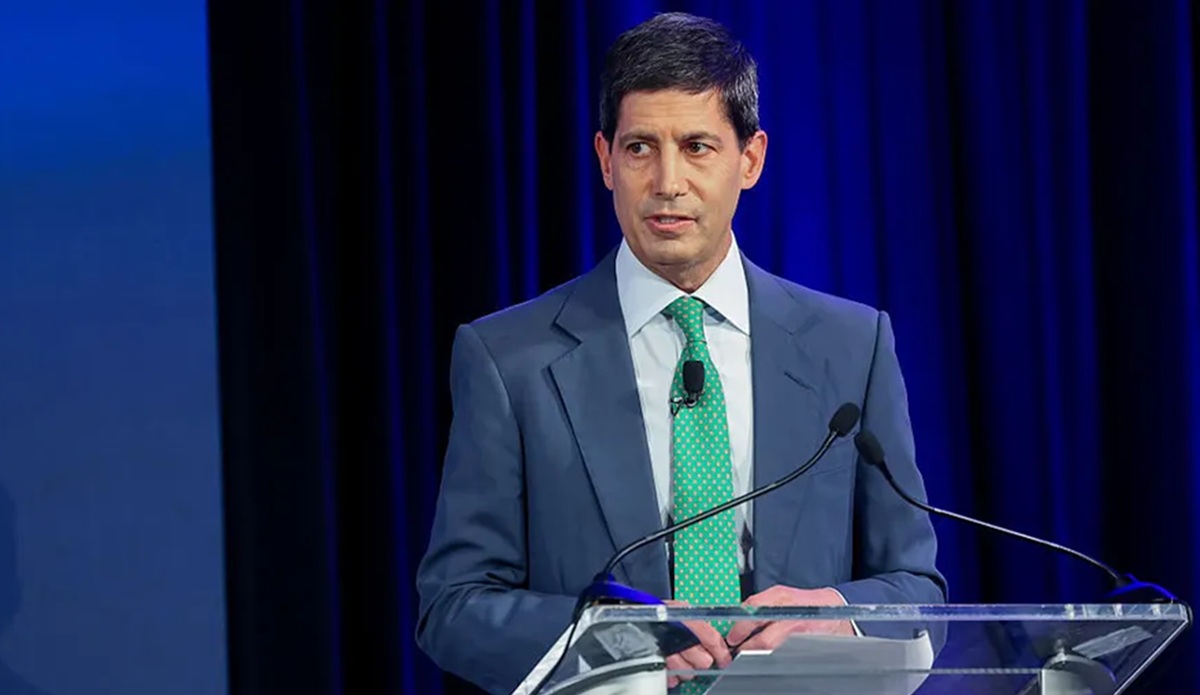
The nomination comes after sustained criticism from Trump, who has repeatedly faulted Powell for failing to cut interest rates aggressively enough. Powell’s term as chair is due to expire in May.
Warsh came from a shortlist that also included current Fed governor Christopher Waller, BlackRock executive Rick Rieder, and Trump’s chief economic adviser Kevin Hassett.
His nomination, however, still requires confirmation by the US Senate, where he is expected to face scrutiny from lawmakers across party lines.
If approved, Warsh would assume leadership of the central bank at a sensitive moment, as the Trump administration has intensified pressure on the Fed, raising concerns among economists about threats to its political independence.
Analysts warn that any erosion of that independence could carry significant consequences for the world’s largest economy.
A New York native and former Morgan Stanley mergers and acquisitions banker, Warsh has in recent months grown more vocal in his criticism of the Fed, aligning himself closely with several policy views advanced by Trump and his administration.
Whoever leads the Federal Reserve next will be under pressure to reassure markets and policymakers that monetary policy decisions remain insulated from political influence, even as economic conditions force difficult trade-offs on interest rates.