Trending
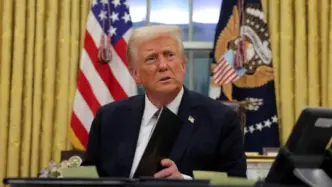
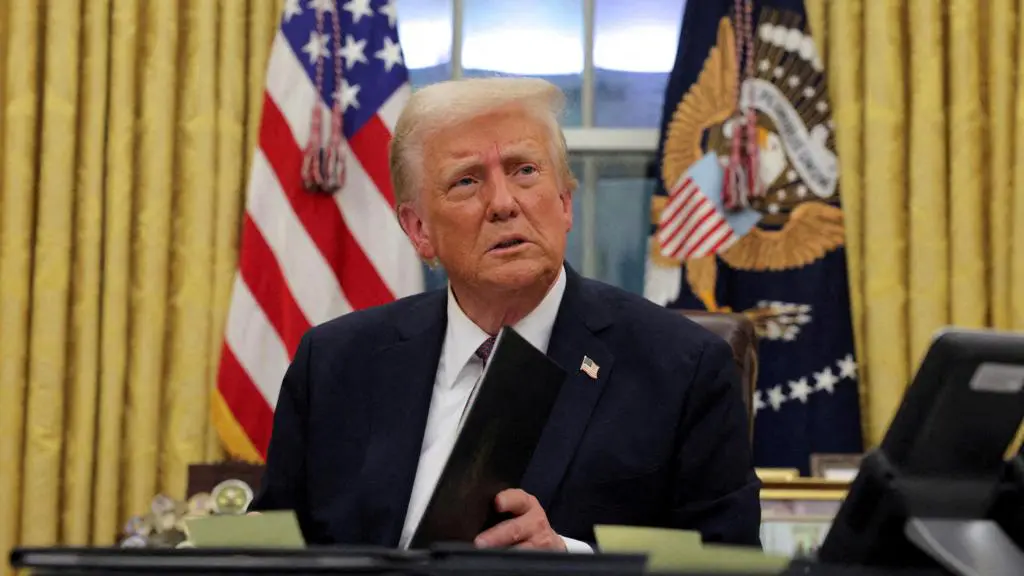
U.S. President Donald Trump has called on international allies to deploy warships to the Middle East as the conflict with Iran enters a volatile new phase.
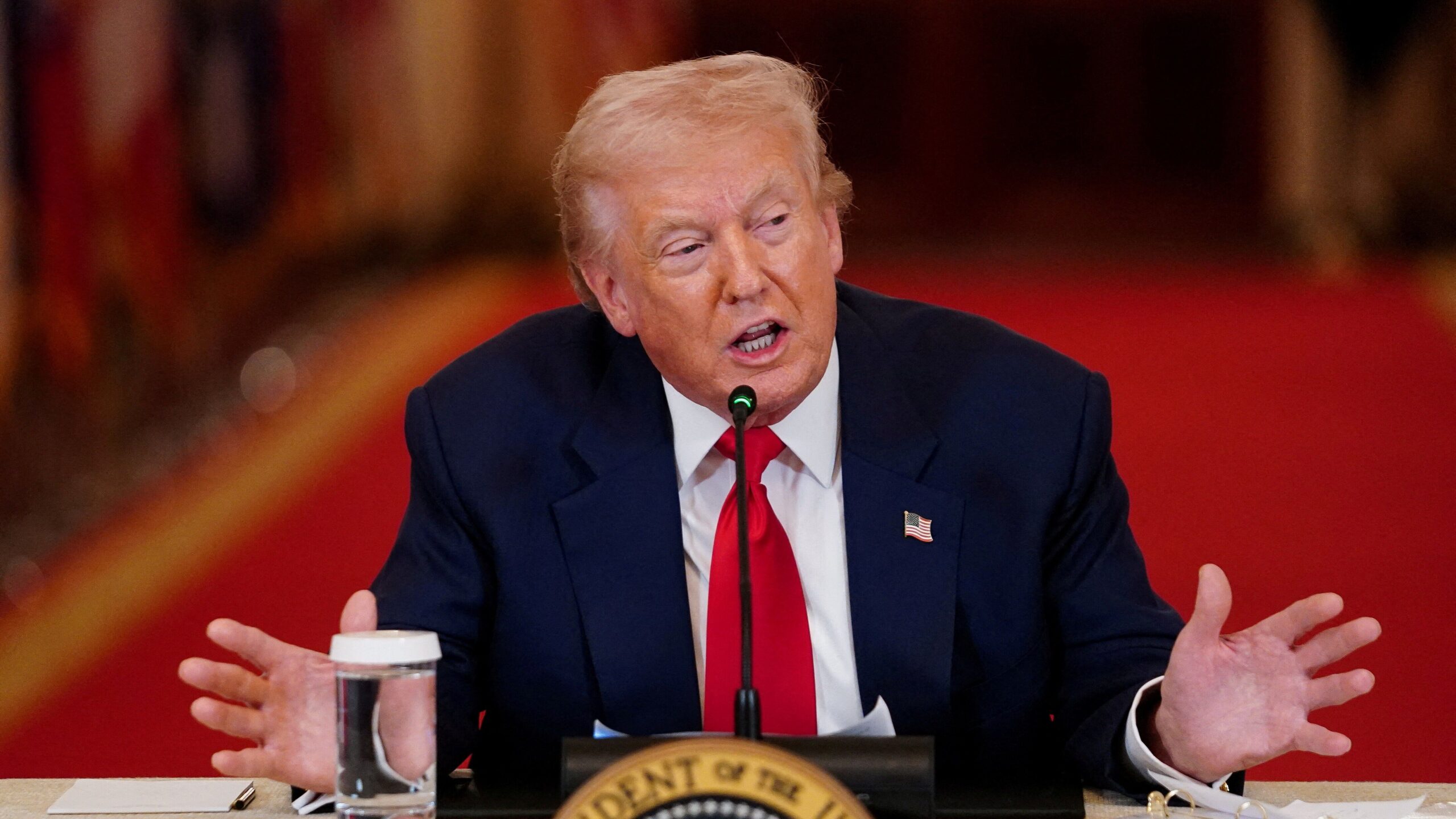
In a post on Saturday, Trump urged nations including China, France, Japan, and the UK to help secure the Strait of Hormuz, which Iranian threats and recent hostilities have effectively paralysed.
The appeal for a multinational coalition follows a surge in global oil prices and a series of high-stakes escalations, including a U.S. strike on Iran’s Kharg Island that targeted military infrastructure while narrowly sparing the country’s primary oil export facilities.
The regional instability intensified on Saturday as new strikes targeted high-profile diplomatic and energy sites.
In Baghdad, a drone attack hit the grounds of the U.S. embassy, damaging satellite communications and air defence systems in the second such assault of the war.
Simultaneously, a drone strike on the Port of Fujairah in the United Arab Emirates ignited fires at an oil storage terminal, forcing a temporary suspension of loading operations.
These incidents highlight the widening reach of the war, as Iran-backed groups and the Islamic Republic’s own forces retaliate against U.S. and Israeli operations.
As the fighting spills deeper into Lebanon and threatens Gulf neighbours, the human and economic costs continue to climb.
The United Nations reports that over 3.2 million people have been displaced within Iran alone, while Israeli strikes on Hezbollah in Lebanon have caused significant casualties among both combatants and civilians.
To bolster its regional posture, the Pentagon has dispatched the USS Tripoli and a Marine Expeditionary Unit to the Gulf.
Analysts warn that rather than forcing a surrender, the current cycle of tit-for-tat strikes may be “inflaming the Gulf,” potentially leading to a more protracted and unpredictable conflict.