Trending

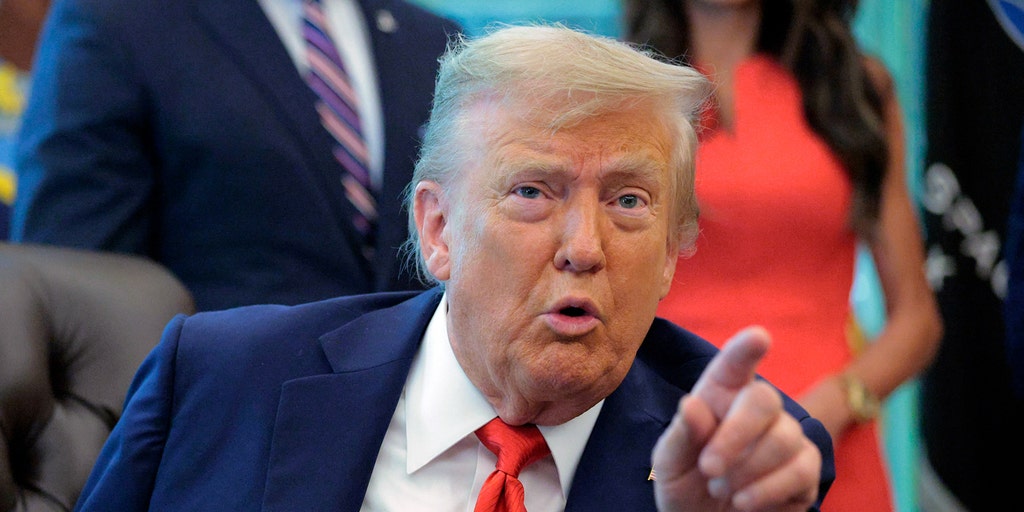
US President Donald Trump issued a blunt ultimatum on Thursday, threatening to “massively blow up” the South Pars gas field—the largest in Iran—unless Tehran immediately halts its strikes on Qatari energy infrastructure.
The warning follows a series of Iranian missile attacks that caused extensive damage to Qatar’s Ras Laffan LNG facility.
While Trump maintained that the U.S. was not involved in previous Israeli strikes on Iranian assets, he vowed that “no more attacks” would be made by Israel if Iran complies, while simultaneously promising a devastating American military response if the aggression continues.
The escalation has sent shockwaves through global markets, with crude oil prices surging five per cent as investors fear lasting damage to the world’s energy supply.
Tensions in the region have already brought tanker traffic through the Strait of Hormuz to a near-standstill, threatening a fifth of the global oil trade.
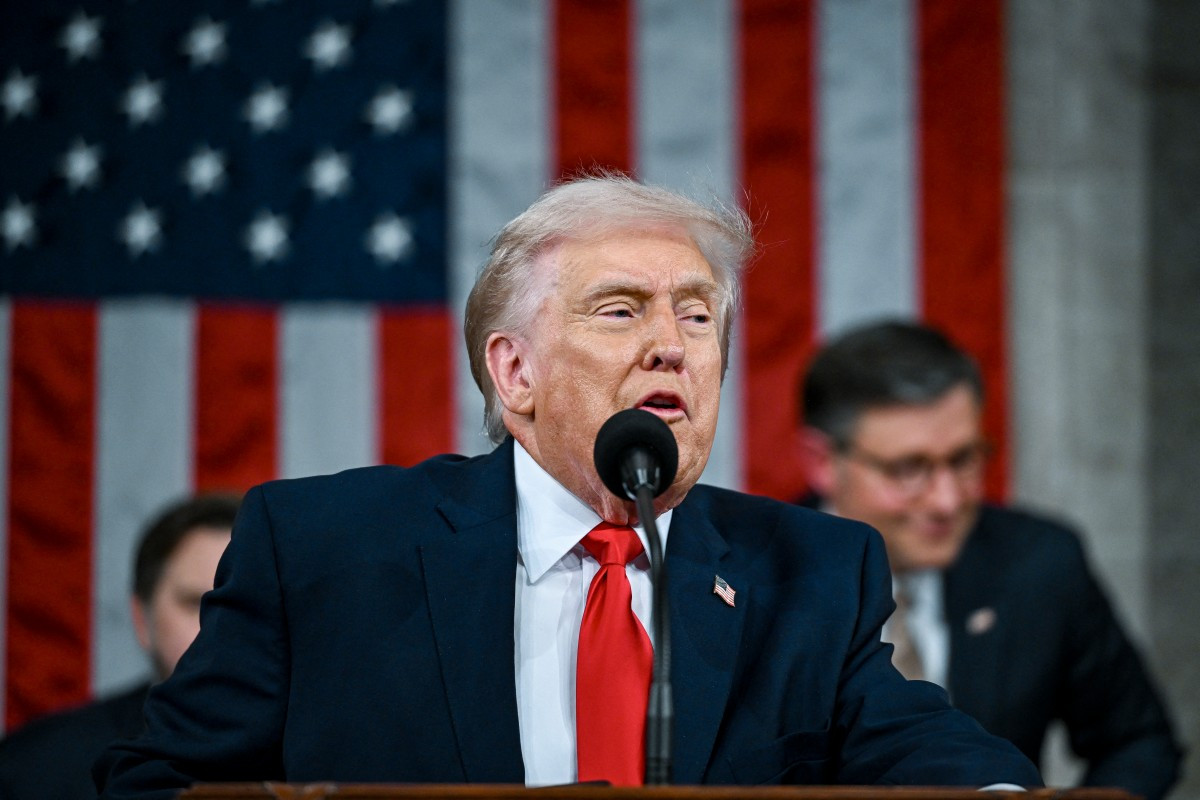
As U.S. and Israeli forces continue to target the Islamic Republic’s leadership—most recently killing intelligence chief Esmail Khatib—Tehran has maintained its barrage of drone and missile strikes across the Gulf, prompting Saudi Arabia to also reserve its “right to take military actions.”
On the diplomatic front, French President Emmanuel Macron has called for a moratorium on strikes targeting civilian infrastructure following reports of mounting casualties in Israel, the West Bank, and Lebanon.
Meanwhile, in Iraq, the pro-Iranian group Kataeb Hezbollah has offered a conditional five-day halt on attacks against the U.S. embassy.
Despite these fragile diplomatic overtures, the rhetoric from both Washington and Tehran suggests the three-week-old conflict is entering an even more volatile phase, with the world’s largest natural gas reservoir now sitting directly in the crosshairs.