Trending
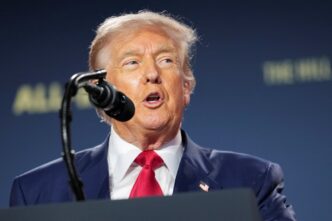
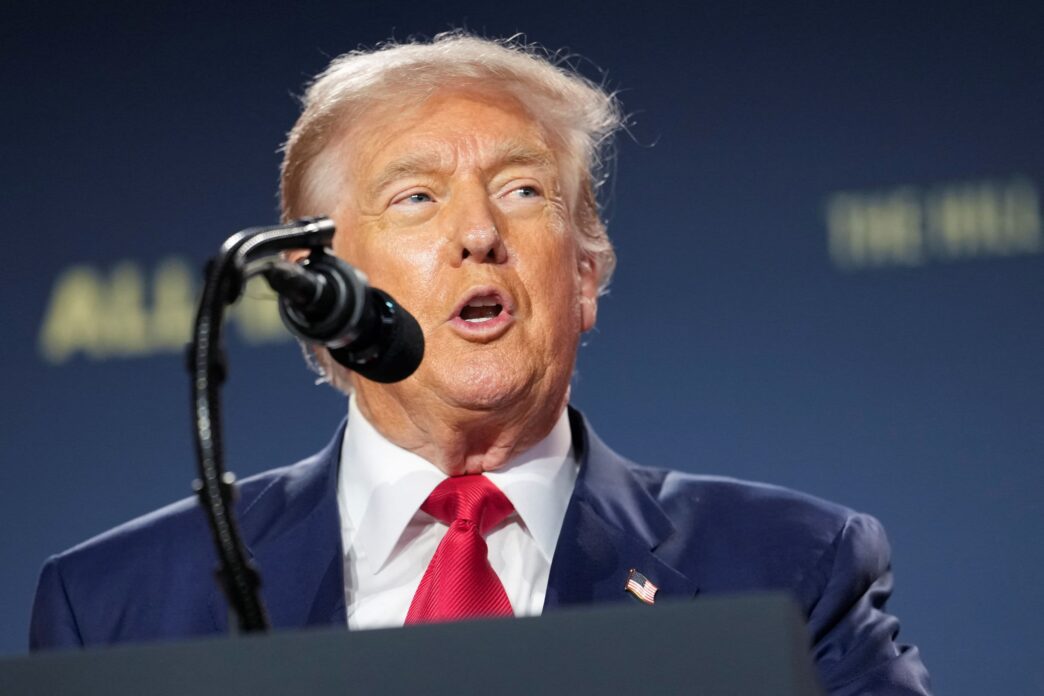
US President Donald Trump is prepared to “unleash hell” if Iran refuses to accept a deal to end the nearly four-week conflict in the Middle East, the White House said on Wednesday, while Tehran maintained it had no intention of entering negotiations.
The heightened rhetoric dampened hopes of an immediate easing of tensions, as violence continued across the region, with Iran, Israel, Lebanon, Bahrain, Kuwait, Jordan and Saudi Arabia all affected by attacks.
Trump later reiterated that Iran was engaged in peace efforts, though Tehran denied this, allegedly out of concern that its negotiators could face reprisals at home.
“They are negotiating, by the way, and they want to make a deal so badly,” Trump told a dinner for Republican members of Congress.
“But they’re afraid to say it, because they figure they’ll be killed by their own people,” he said. “They’re also afraid they’ll be killed by us.”
Iranian Foreign Minister Abbas Araghchi rejected claims of negotiations with the United States, stating that indirect exchanges through “friendly countries” did not amount to formal talks.
“We do not intend to negotiate,” Araghchi told state TV. “We seek an end to the war on our own terms.”
In Pakistan, officials disclosed that Islamabad had relayed a 15-point American proposal to Tehran aimed at ending hostilities that began on February 28.
Iran’s state-run Press TV reported, citing an unnamed official, that Tehran had rejected the proposal and insisted the conflict would conclude only under its own conditions, including assurances against future attacks.
White House Press Secretary Karoline Leavitt described discussions as “productive” but did not clarify who Washington was engaging with in Tehran following the reported assassination of supreme leader Ali Khamenei.
His son and successor, Mojtaba Khamenei, has not appeared publicly.
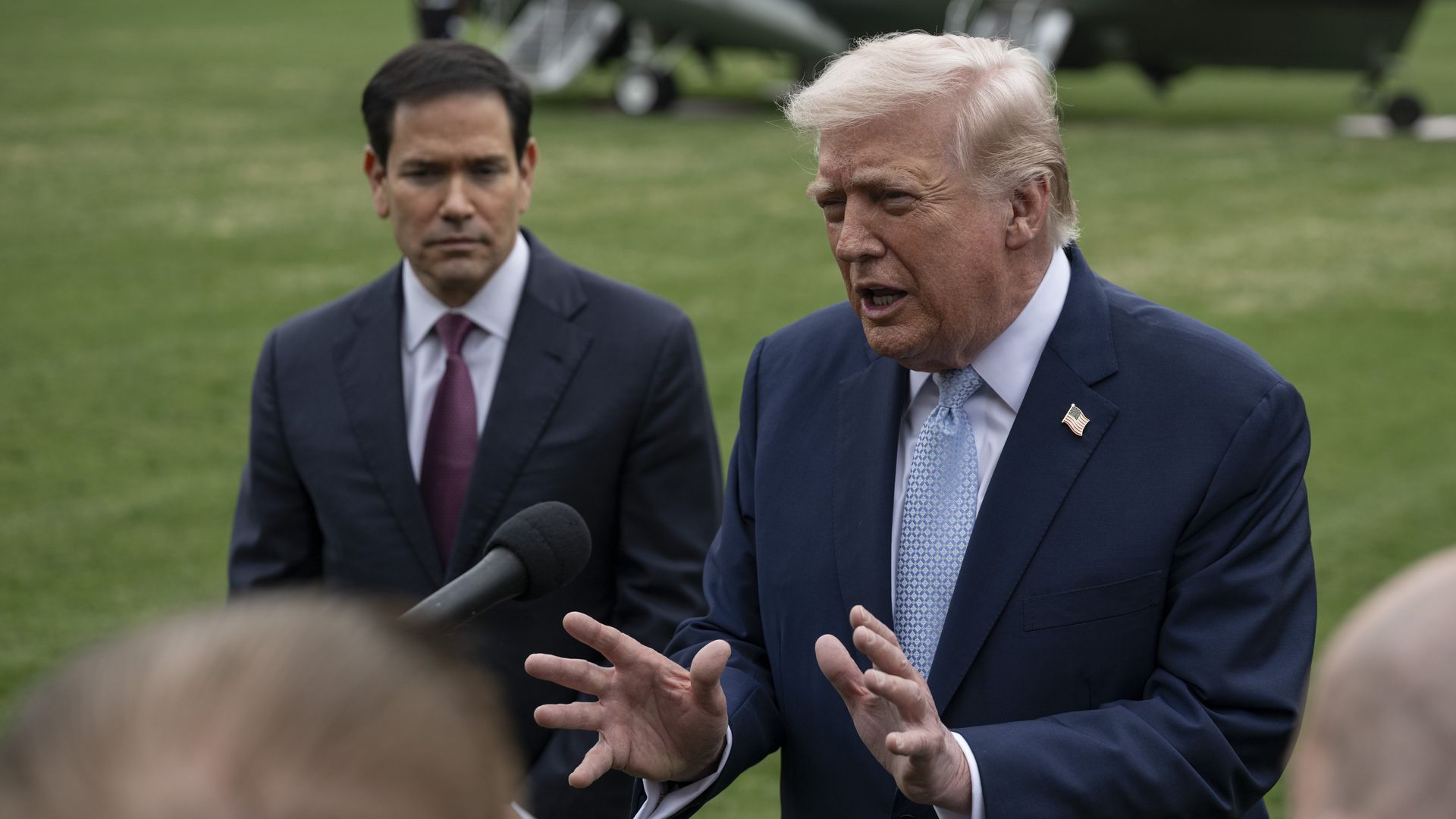
“If Iran fails to accept the reality of the current moment… Trump will ensure they are hit harder than they have ever been hit before,” Leavitt said. “President Trump does not bluff, and he is prepared to unleash hell.”
As additional US troops were reportedly being deployed to the region, Iran warned it could escalate the conflict by targeting Red Sea shipping if the United States launched a ground invasion.
Iran’s military claimed that cruise missile strikes against the USS Abraham Lincoln carrier group had forced it to reposition, and warned of further “powerful strikes” if the fleet came within range.
Admiral Brad Cooper stated that US forces had destroyed two-thirds of Iran’s missile and drone production capacity, with launch rates reduced by 90 percent.
He also estimated that 92 percent of the Iranian navy’s largest vessels had been damaged or destroyed, significantly limiting its ability to project power regionally and globally.
Antonio Guterres, Secretary-General of the United Nations, warned that the conflict was “out of control” and had escalated too far.
According to The New York Times, the US proposal addressed Iran’s nuclear and missile programmes as well as key maritime routes.
Tehran has largely obstructed the Strait of Hormuz, a crucial oil shipping lane, in response to US-Israeli strikes, driving up global energy prices.
The unnamed Iranian official said Tehran had outlined five conditions for ending hostilities, including guarantees that neither Israel nor the United States would resume attacks and compensation for damages.
The conditions also called for a halt to fighting across all regional fronts and against allied groups such as Hezbollah.
Iran further demanded international recognition of its sovereignty over the Strait of Hormuz.
In the event of a US ground invasion, Iran warned it could also block the Bab al-Mandeb Strait, a key passage linking the Indian Ocean to the Red Sea and the Suez Canal.
Iran supports the Houthi movement, which has disrupted Red Sea shipping since October 2023 in response to Israel’s actions in Gaza.
While carrying out strikes in Iran, Israel also continued operations against Hezbollah in Lebanon, including air raids on southern Beirut.
Israeli Prime Minister Benjamin Netanyahu said forces were expanding a “buffer zone” in Lebanon, while Hezbollah leader Naim Qassem stated that negotiating under fire would amount to “surrender.”
Lebanon became involved in the conflict after Hezbollah launched rockets into Israel on March 2, following the killing of Ayatollah Khamenei.
Lebanese authorities report that more than 1,000 people have been killed and over one million displaced in the past three weeks of Israeli strikes.
With energy prices rising and concerns mounting over inflation and global growth, attention has remained fixed on the Strait of Hormuz, through which around one-fifth of the world’s oil supply typically passes.
Araghchi said the waterway was “closed only to enemies”, adding that “There is no reason to allow the ships of our enemies and their allies to pass.”
Stock markets had initially rallied, and oil prices declined on reports of possible negotiations, but by Wednesday, Brent crude had risen again to above $100 per barrel.