Trending
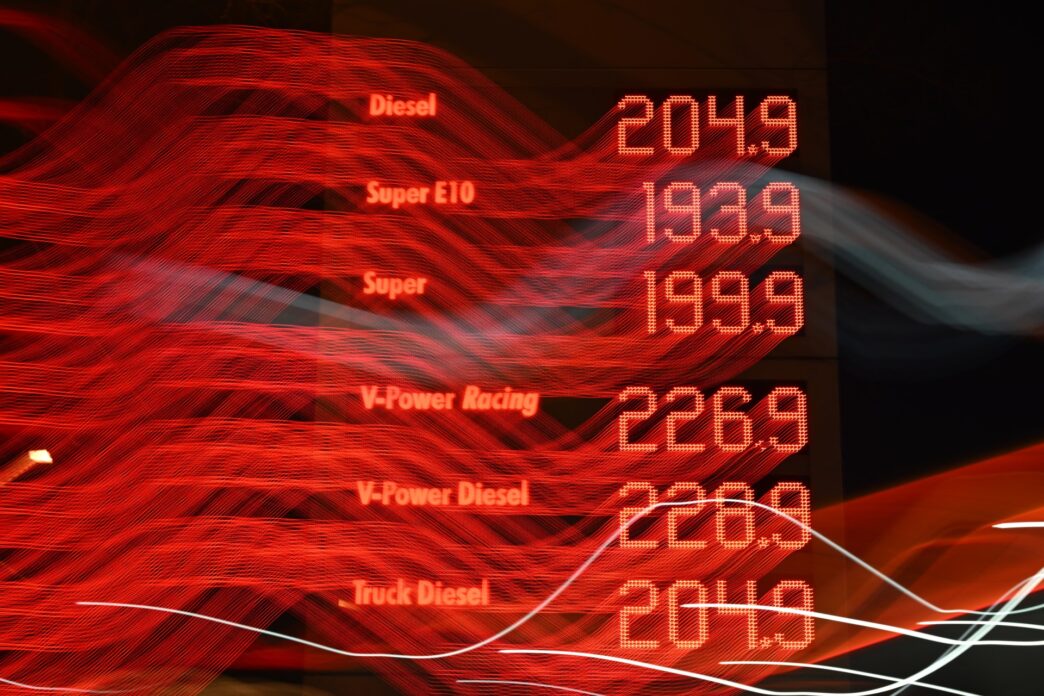
Oil prices took a hit on Tuesday while equity markets showed mixed results as investors weighed the impact of President Donald Trump’s fluctuating rhetoric regarding the ongoing conflict with Iran.
A report by The Wall Street Journal revealed that Trump was willing to end the war even if the vital Strait of Hormuz remained closed, but he also warned of striking Iran’s energy infrastructure if a deal wasn’t reached.
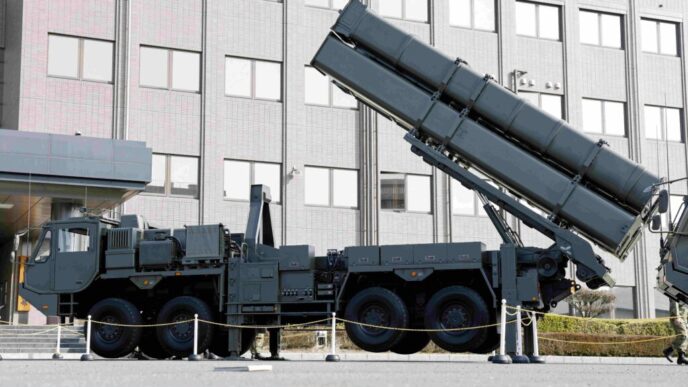
Trump’s decision to focus on targeting Iran’s missiles and navy, instead of forcing the reopening of the waterway, came after discussions with his aides. According to administration officials, reopening the Strait would extend the conflict beyond his planned four- to six-week timeline.
Instead, Trump has chosen to ramp up pressure on Iran diplomatically, aiming to force it to negotiate the reopening of the Strait. However, this stance is complicated by his simultaneous threats to destroy Iran’s key oil export hub, Kharg Island, and vital infrastructure, including desalination plants. Such threats raise concerns of escalating the conflict, especially with Iran’s retaliatory threats aimed at energy infrastructure in neighbouring Arab countries hosting U.S. military forces.
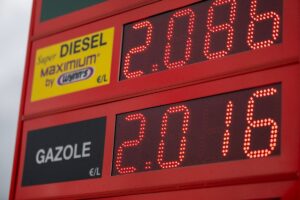
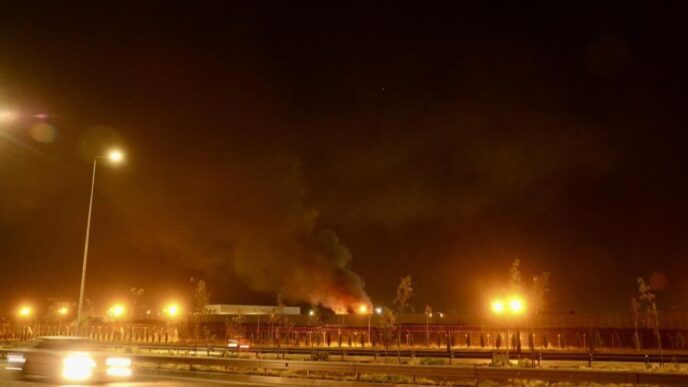
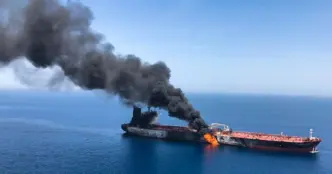
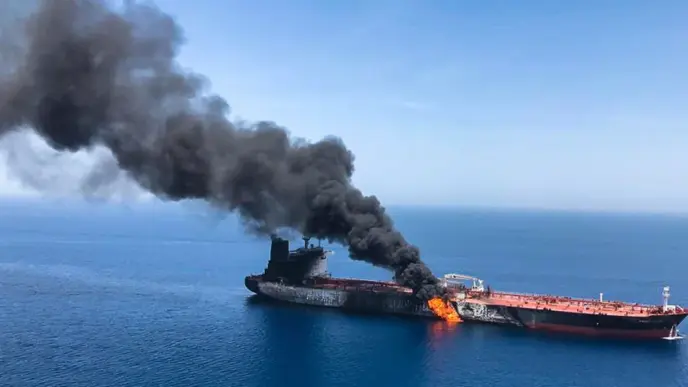
The market’s reaction to these developments was swift. While both main oil contracts fell nearly 1% on Tuesday, they remained above $100 per barrel, reflecting ongoing tension. These fluctuations followed reports of a Kuwaiti oil tanker being attacked in Dubai Port, which added to market jitters.
In the United States, gas prices soared to an average of $4 per gallon, a milestone not seen since 2022, in the aftermath of Russia’s invasion of Ukraine. This increase added further pressure on the Trump administration to act, as many Americans faced growing economic hardships.
At the same time, concerns about mixed messaging from the White House dampened early optimism, as Trump’s public back-and-forth between diplomacy and military threats created uncertainty for investors.
The global market’s nervousness was reflected in stock markets. While some markets, such as Hong Kong, Sydney, and London, saw gains, others, such as Seoul and Tokyo, posted losses, further adding to the unease.
The war’s duration and the continued volatility in energy prices will determine its long-term impact on global economic stability.