Trending
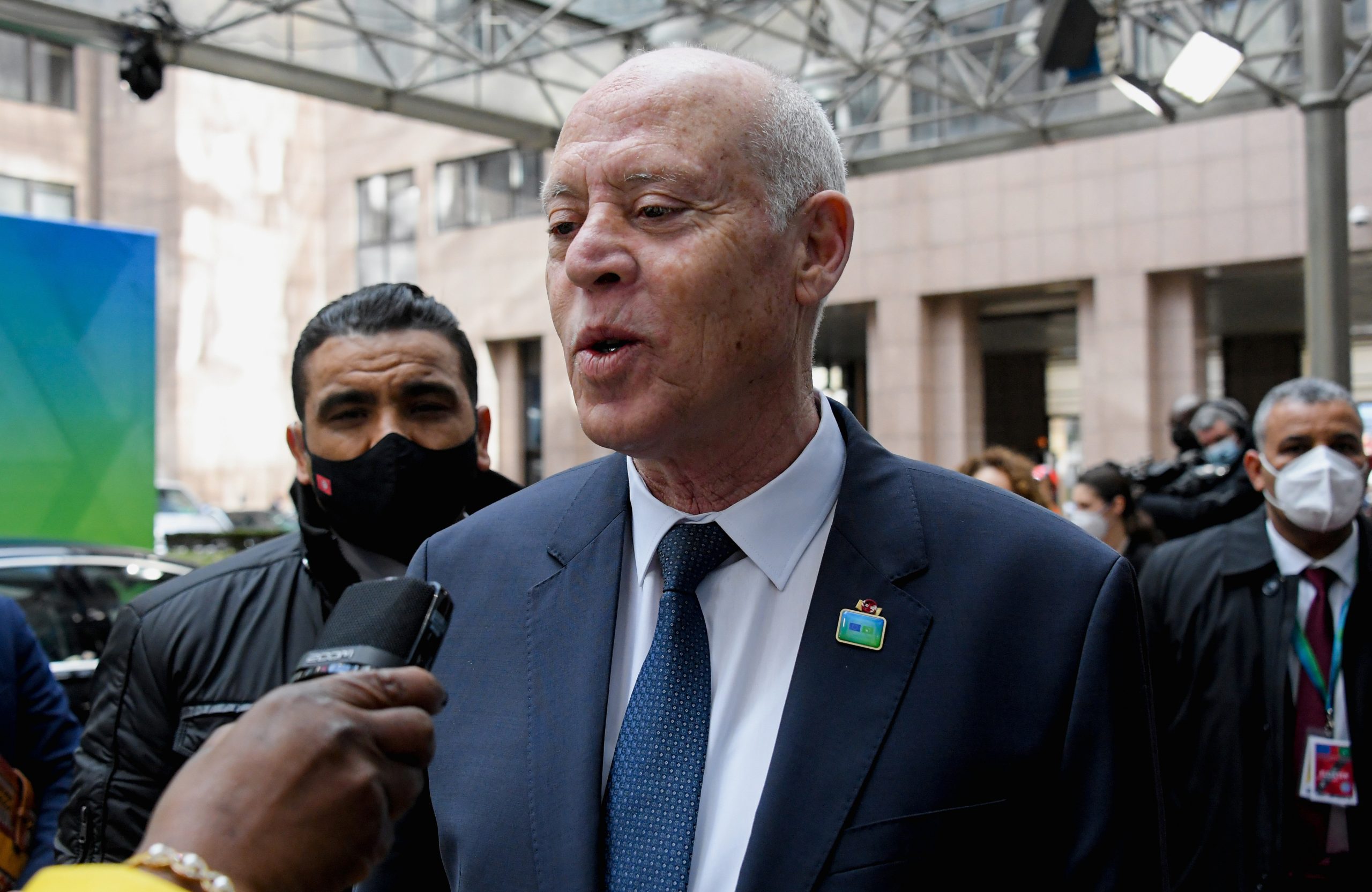
Tunisian President Kais Saied has dismissed a European Parliament resolution calling for the release of his critics, branding it “blatant interference” in the country’s internal affairs.
Speaking in a video statement on Friday, Saied rejected the resolution adopted by the European Parliament a day earlier, which urged Tunisian authorities to free political detainees and rights activists.
The vote was passed by a large majority and included a call for the release of lawyer and outspoken government critic Sonia Dahmani.
Dangmani was freed from prison on Thursday but remains under judicial supervision.
“The European Parliament resolution is a blatant interference in our affairs,” Saied said. “They can learn lessons from us on rights and freedoms.”
In the same statement, the president instructed Foreign Affairs Minister Mohamed Ali Nafti to formally protest to one foreign diplomatic representative in Tunisia, whom he accused of acting improperly, although he did not name the country involved.
“Anyone who disrespects our country or ignores the rules of international conduct must understand that we will not accept this, and we will hold them fully accountable,” Saied added.
The Foreign Ministry later confirmed that it had summoned the Dutch ambassador, Josephine Frantzen, accusing her of failing to respect diplomatic protocol and warning her not to interfere in Tunisia’s domestic affairs. Officials did not specify what actions or remarks had triggered the move.
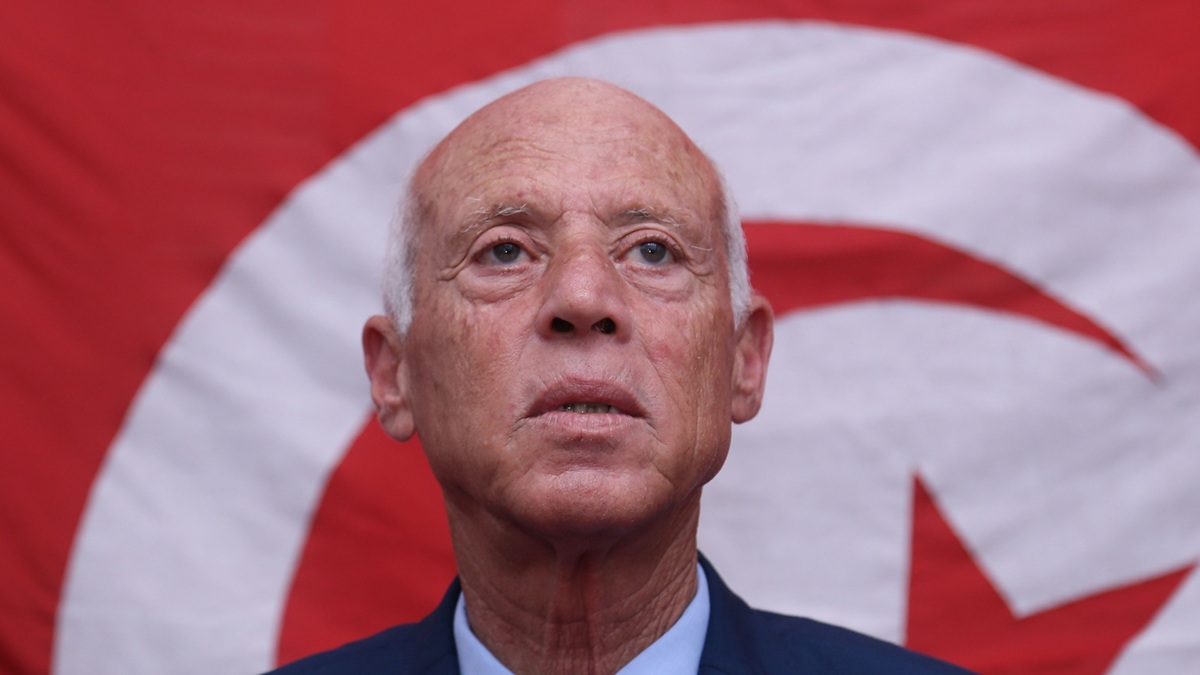
Saied’s reaction also followed the summoning of the European Union’s ambassador earlier in the week, on similar grounds of breaching diplomatic norms.
The European Parliament resolution went beyond Dahmani’s case, demanding the release of all those detained for exercising their right to freedom of expression, including political prisoners and human rights defenders.
It also called for the repeal of legislation introduced under Saied that has been used to prosecute individuals accused of spreading “false news”.
Dahmani, 60, was arrested in May 2024 by masked officers and has since faced several charges over statements made during radio and television appearances in which she criticised racism and state policies in Tunisia.
Saied was elected president in 2019 after Tunisia emerged from the Arab Spring as the region’s sole democracy.
However, in 2021, he carried out a sweeping power grab, dissolving parliament and ruling largely by decree, moves that have drawn widespread criticism from rights groups and international observers.
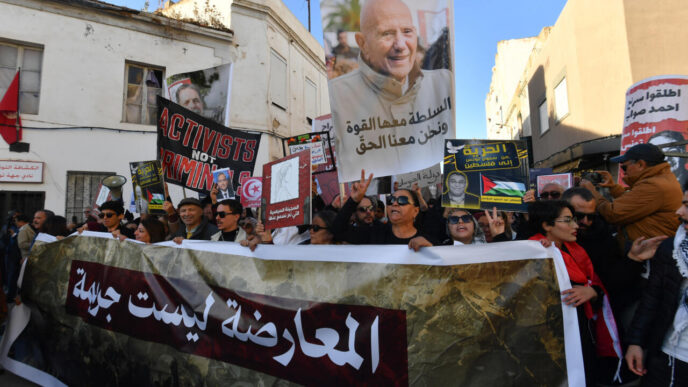
On the same day as his comments, a Tunisian court upheld lengthy prison sentences against nearly 40 political figures and activists, reducing some terms but confirming sentences of up to 45 years on appeal.
The defendants had originally been convicted in April of conspiracy against state security and belonging to a terrorist group, charges their supporters and international organisations have described as politically motivated.