Trending
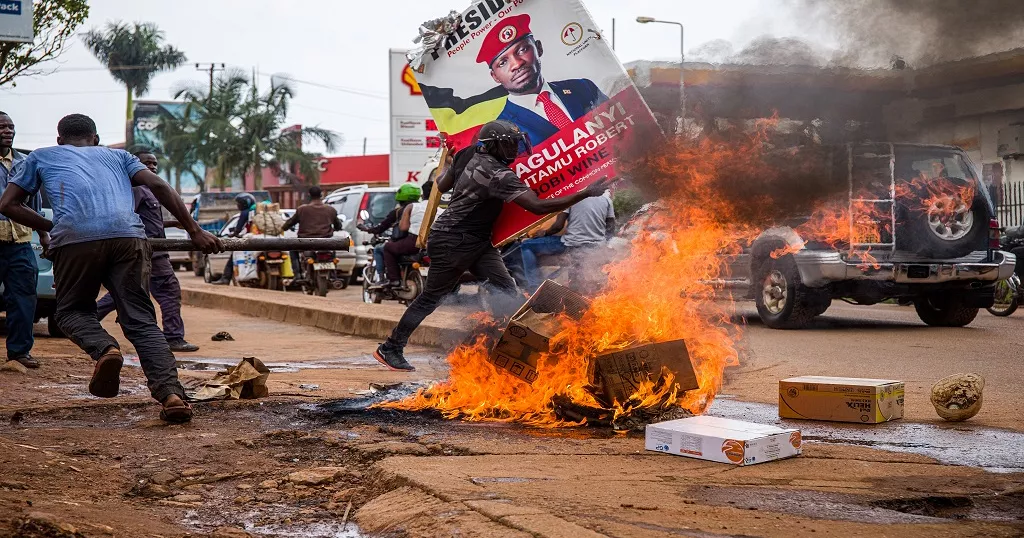
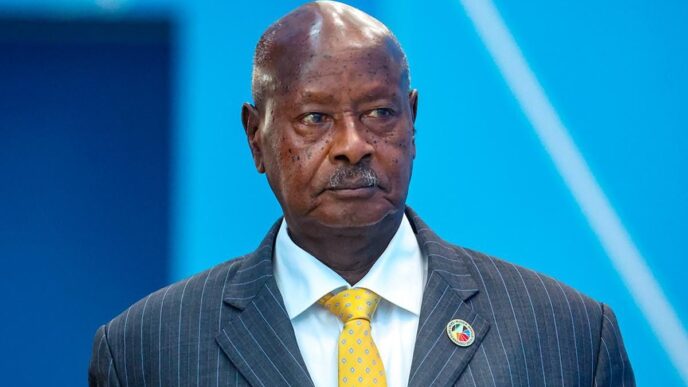
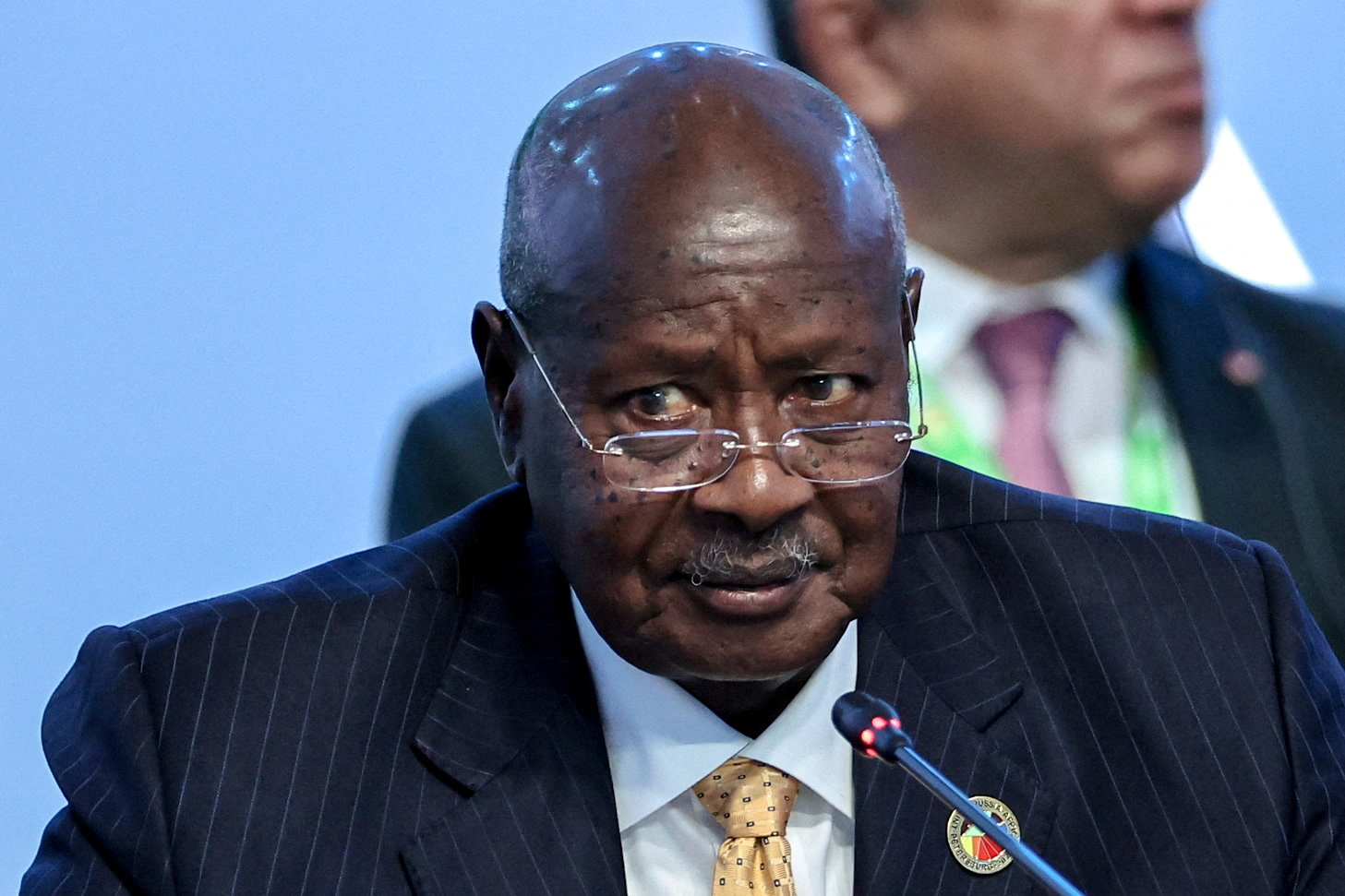
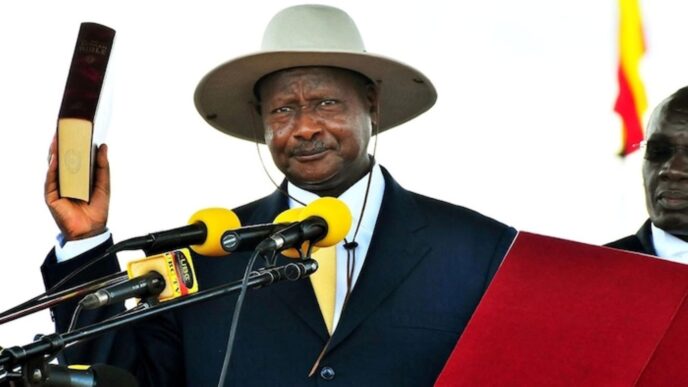
Uganda’s government has banned live broadcasts of riots, which it calls “unlawful processions”, and other violent incidents before the January 15 election, as President Yoweri Museveni seeks to extend his four-decade rule.
The Ministry of Information, Communication, and Technology announced the ban on Monday, claiming that broadcasting or live streaming such events could increase tensions and panic.
“Live broadcasting or streaming of riots, unlawful processions, or violent incidents is prohibited, as it can escalate tensions and spread panic,” the ministry said in a statement.
It also banned the spread of content it described as “inciting, hateful or violent.”
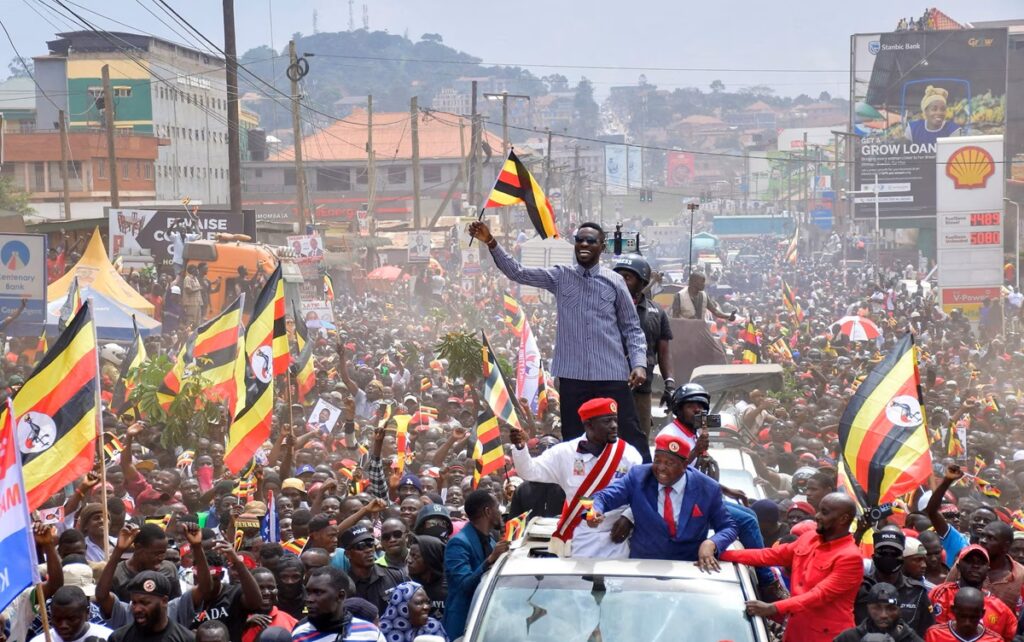
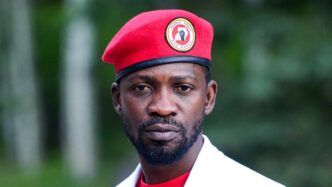
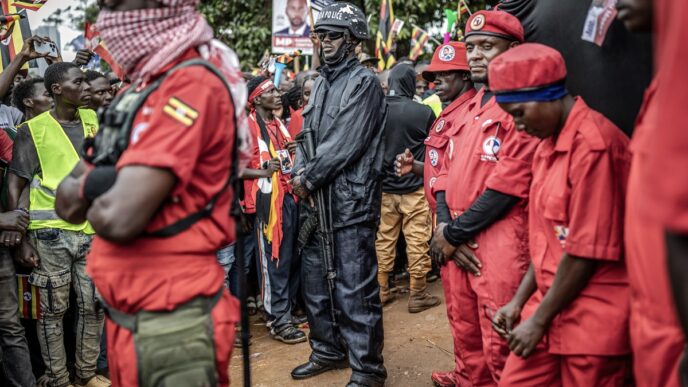
The move comes close to the election, which will again pit the 81-year-old Museveni against opposition leader Robert Kyagulanyi Ssentamu, popularly known as Bobi Wine, a 43-year-old former pop star. Authorities have detained hundreds of opposition supporters in the run-up to the vote.
Ugandan officials often describe anti-government protests as riots.
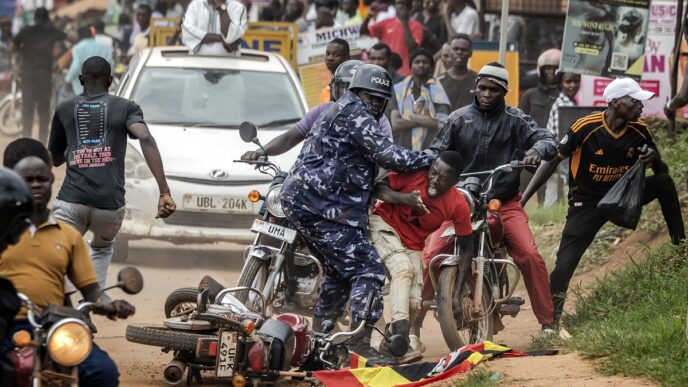
More than 50 people were killed ahead of the last election in 2021 during crackdowns by security forces on Wine’s supporters. Wine accused Museveni of rigging that vote, an allegation the president denied.
Museveni came to power in 1986 after leading a five-year rebellion and is Africa’s third-longest-ruling head of state.
Rights groups and critics have long accused Ugandan security forces of intimidating, torturing and abusing political opponents, claims the government has denied.
On Monday, Amnesty International said security forces had launched a “brutal campaign of repression” against Wine’s supporters ahead of the election, including arbitrary arrests, beatings and torture.