Trending

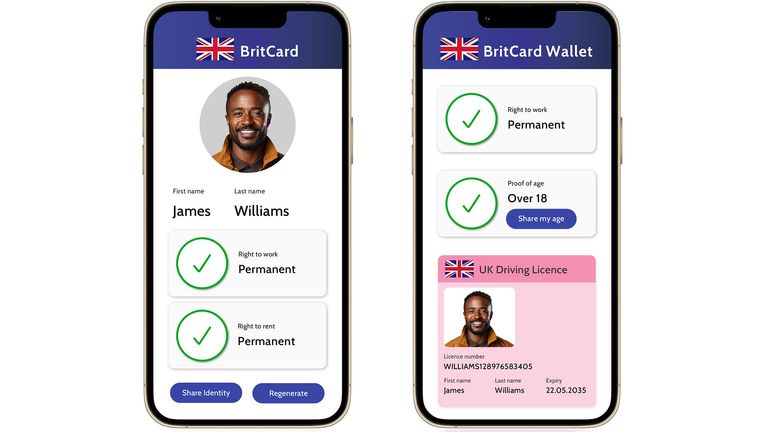
The United Kingdom (UK) government has dropped plans to make a new digital ID card mandatory for working in Britain.
Finance minister Rachel Reeves confirmed the shift on Wednesday, following strong political and public opposition to proposals for a universal digital ID aimed at tackling illegal migration.
Under the revised position, workers will still be required to prove their right to work using digital verification, but this will no longer be limited to a single digital ID card. Acceptable alternatives will include existing documents such as e-visas or e-passports.
“We are saying that you will need mandatory digital ID to be able to work in the UK,” Reeves told the BBC.
“Now the difference is whether that has to be one piece of ID or whether it could be an e-visa or an e-passport. We’re pretty relaxed about what form that takes.”
The change follows briefings to British media late Tuesday, indicating that the government had softened its position after a backlash to the original plan, which proposed a free digital ID for citizens and residents.
The policy was first announced in September by Prime Minister Keir Starmer, who said the ID would be introduced by 2029. While Starmer had said the ID would not be compulsory, it would have been required to prove eligibility to work.
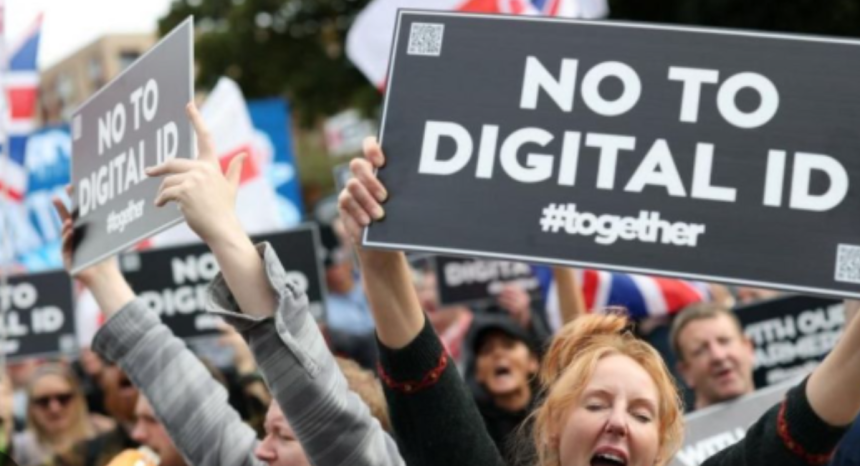
The proposal drew criticism from opposition parties and sections of the public, with some opponents claiming it could expand government surveillance.
The government has rejected claims that the system would track personal data such as vaccination records or carbon footprints, or restrict access to travel and food.
Opposition figures welcomed the latest reversal. Nigel Farage, leader of Reform UK, described the decision as “a victory for individual liberty” and said his party would scrap the digital ID plan entirely if elected.
Conservative leader Kemi Badenoch said “good riddance” to a terrible policy.
A government spokesperson said the administration remains committed to mandatory digital right-to-work checks.
“Currently right to work checks include a hodge podge of paper-based systems with no record of checks ever taking place,” he added, calling them “open to fraud and abuse”.
The spokesman also noted the digital ID scheme will be set out “following a full public consultation which will launch shortly”.