Trending
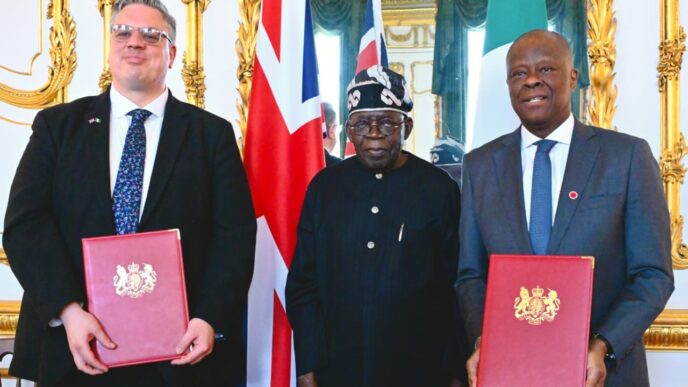
The United Kingdom (UK) and Nigeria have signed an agreement aimed at streamlining the deportation process for thousands of failed asylum seekers and criminals in the UK.
The deal, announced during President Bola Ahmed Tinubu’s state visit to the UK, aims to simplify procedures, reducing the bureaucratic hurdles that have previously slowed down deportations.
The Home Office confirmed the deal, which sees Nigeria agreeing to accept more deportations, including foreign national offenders and failed asylum seekers who have exhausted their appeal rights.
Currently, 961 Nigerian nationals who have been rejected for asylum in the UK are awaiting deportation. Additionally, there are 1,110 foreign offenders from Nigeria, with the Home Office working to remove them from the country. The agreement is expected to make these deportations more feasible by removing delays caused by the need for Nigerian authorities to issue travel documents, such as passports, for deportees.
The deal also includes provisions for the return of Nigerians who have overstayed their work or visitor visas. One of the key features is the acceptance of ‘UK Letters,’ diplomatic notes that can be used in place of traditional travel documents, which have often posed a significant barrier in the deportation process.

Home Secretary Shabana Mahmood emphasised the agreement’s importance in restoring order at UK borders, ensuring that individuals without a legal right to remain are swiftly removed.
The UK, as Nigeria’s largest African visa market, sees this deal as crucial for tackling illegal migration.
Alex Norris, Home Office minister, expressed confidence that this agreement would reinforce the fairness of the system, while Nigeria’s Interior Minister, Dr Olubunmi Tunji-Ojo, affirmed Nigeria’s commitment to fulfilling its obligations responsibly.
The broader deal also includes initiatives to address cybercrime and fraud, particularly targeting international fraudsters, many of whom operate from West Africa. Both nations have agreed to strengthen efforts to combat criminal gangs that exploit visa routes, with a new document-checking system designed to verify the authenticity of visa applications.
Furthermore, Nigeria has committed to reviewing its laws to tackle immigration crime, with measures to impose tougher sentences in place.
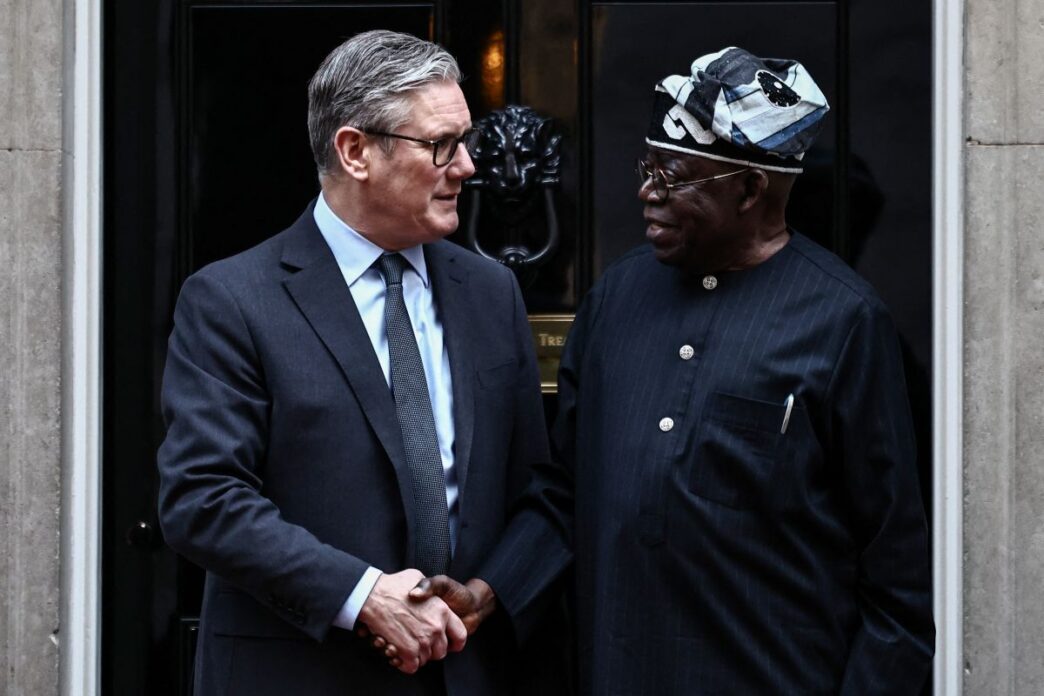
This week’s visit, which marks a Nigerian leader’s first state visit to the UK in 37 years, has been marked by high-profile events, including a lavish banquet at Windsor Castle, where King Charles described Nigeria as an “economic powerhouse” and an “influential diplomatic voice.”
The ongoing visit underscores the strengthening diplomatic ties between the two nations, with both governments pledging to address mutual challenges in migration and security.