Trending
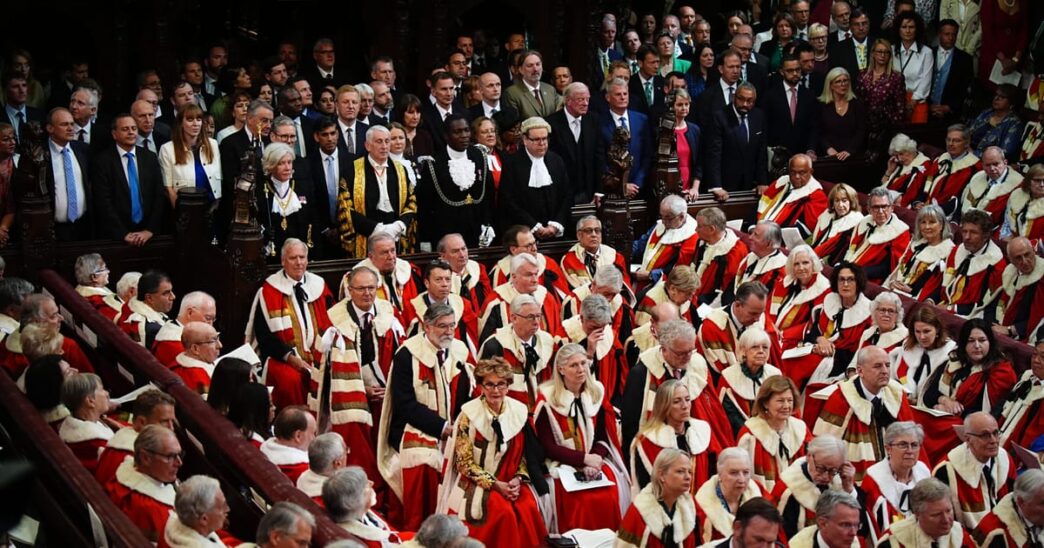
The UK Parliament passed a historic bill on Tuesday that officially ends the right of hereditary peers to sit and vote in the House of Lords.
This legislation targets the remaining 92 members—including various dukes, earls, and viscounts—who held their positions through ancestral titles rather than appointment or election.
Once the bill takes effect at the end of the current session later this year, these members will lose their seats unless they are specifically granted life peerages.
The British government hailed the move as a landmark reform, noting that the UK and Lesotho were the only nations maintaining hereditary legislative roles.
Officials described the change as the completion of a process started in the late 1990s, aiming to modernise the upper house into a chamber based on merit rather than “archaic” systems of inheritance.
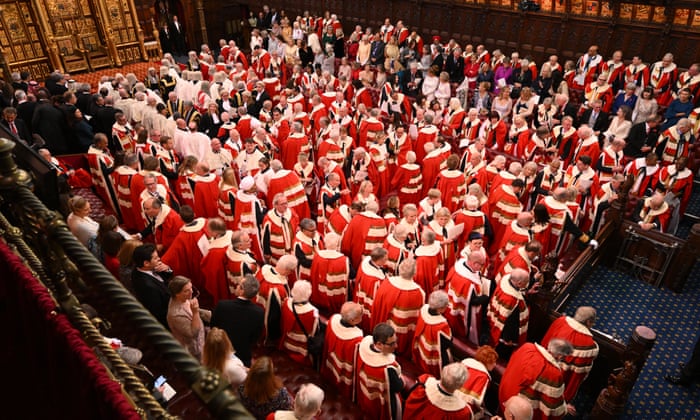
Baroness Smith, Leader of the House of Lords, emphasised that while the chamber remains vital for scrutinising law, power should not be wielded by virtue of birthright.
While the bill fulfils a key manifesto pledge, it marks a sombre transition for the centuries-old institution.
The Lord Speaker, Lord Forsyth of Drumlean, acknowledged the significant contributions and “institutional memory” provided by the departing peers.
Despite these exits, the House of Lords will remain a large body of approximately 700 life peers, former politicians, and religious leaders who continue to advise on and delay legislation sent from the House of Commons.