Trending

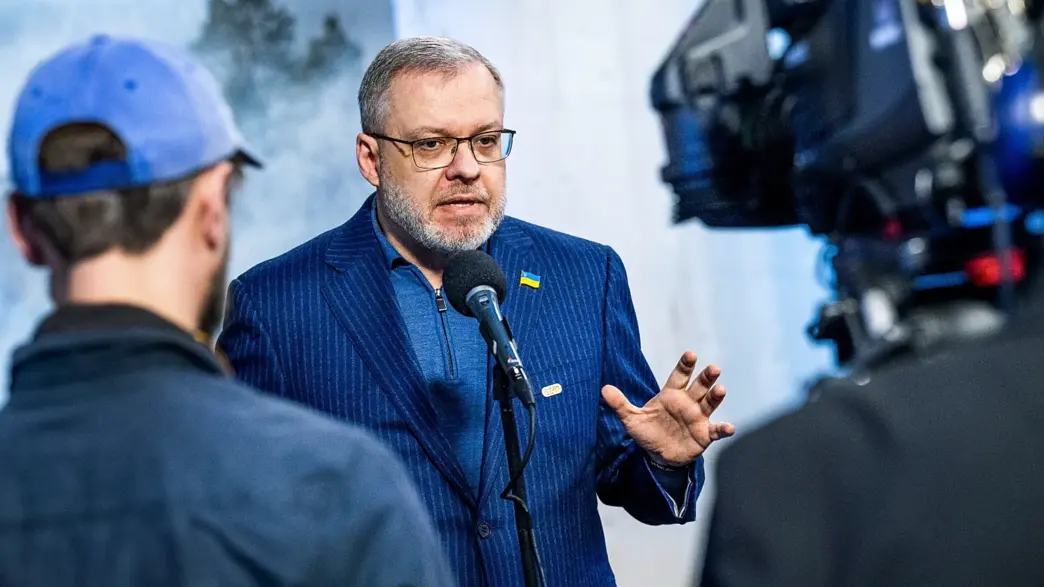
A former Ukrainian energy minister, German Galushchenko, was detained on Sunday while attempting to flee the country, according to the National Anti-Corruption Bureau of Ukraine (NABU).
The arrest is the latest development in the “Midas case,” a high-profile investigation into systemic graft within the nation’s energy sector.
While the authorities have not officially named the suspect, he has been named by several prominent Ukrainian media organisations.
The detention follows a major political crisis last year that saw several top officials forced out of office at the request of President Volodymyr Zelensky.
The investigation centres on allegations that approximately $100 million was syphoned from state-owned energy enterprises, including the nuclear power operator Energoatom.
Investigators believe that contractors, specifically those hired to safeguard critical energy infrastructure, provided kickbacks to government officials in exchange for lucrative deals.
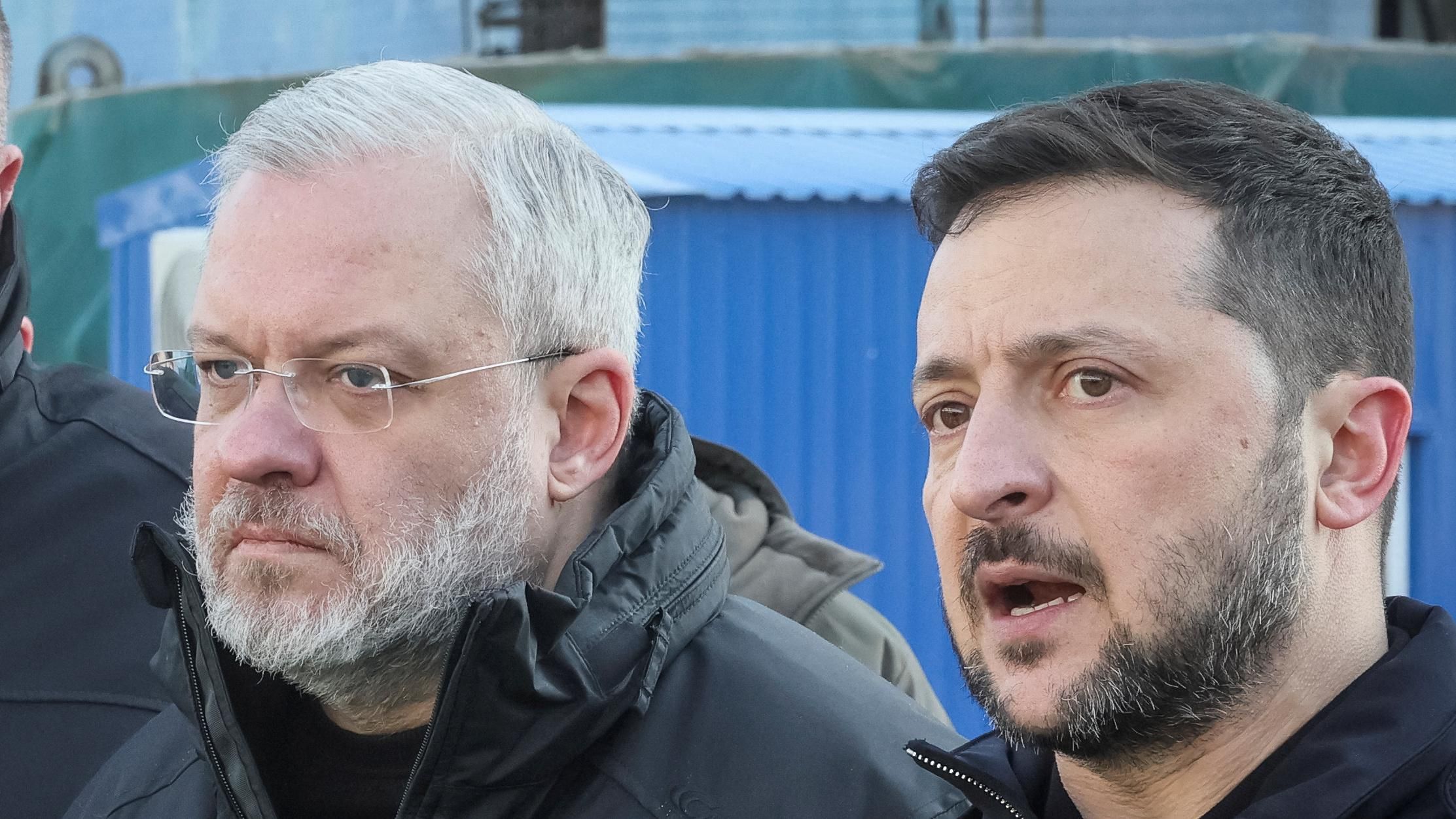
This scandal is particularly sensitive, as it involves funds meant to protect a grid that is currently under constant threat from Russian missile strikes during the freezing winter months.
The political fallout from the “Midas” investigation has already been immense.
Last year, the serving energy minister, a former minister, and the president’s chief of staff, Andriy Yermak, all resigned as the scale of the corruption became public.
While those involved have denied any wrongdoing, NABU has conducted dozens of property searches to trace the missing $100 million, which was allegedly laundered through a network of shell companies and offshore accounts.
This latest arrest signals an intensification of Ukraine’s “zero-tolerance” policy toward internal corruption.
Since 2023, anti-corruption bodies have been under immense pressure to prove to both the Ukrainian public and international allies that aid and state funds are being used appropriately.
As Russia continues to target the energy grid, the Ukrainian government has framed the rooting out of “internal enemies” as a vital component of the nation’s survival and its eventual path toward European Union membership.