


 Trending

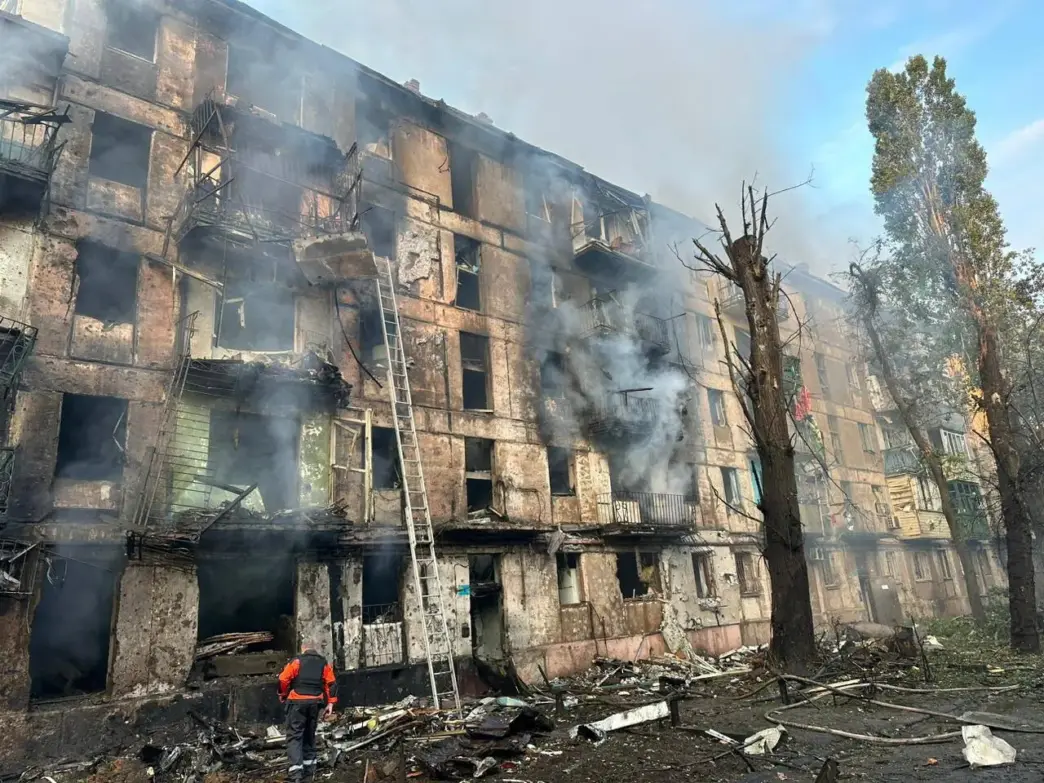
Ukraine has ordered restrictions on media reports about damage to critical infrastructure caused by Russian strikes as Moscow steps up attacks ahead of winter.
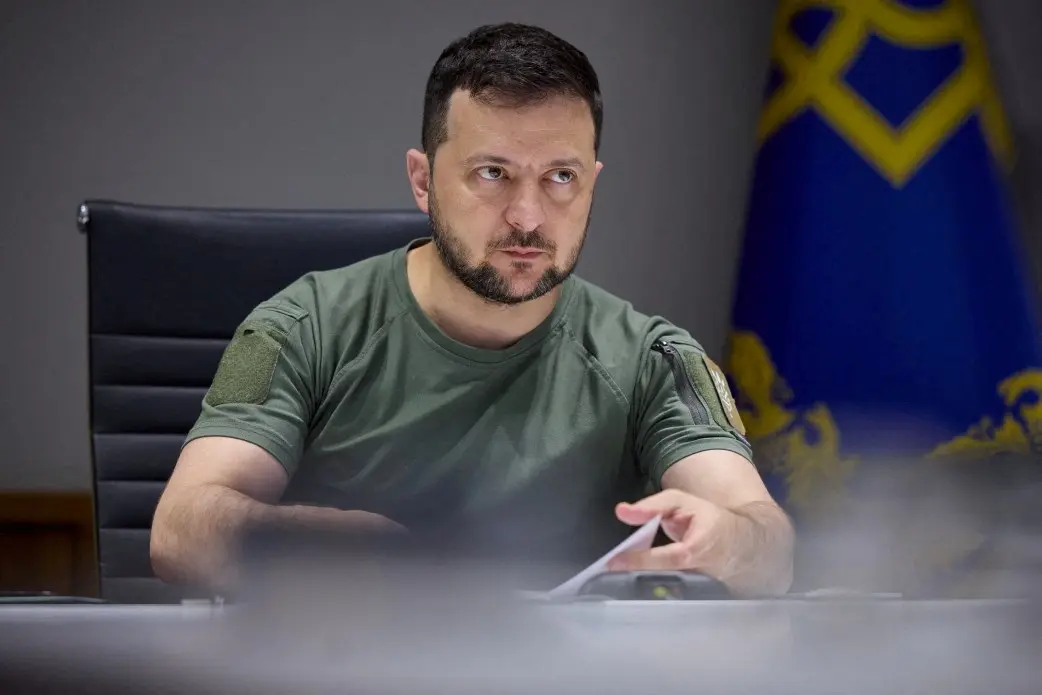
A decree issued by President Volodymyr Zelensky on Saturday directed the government to take urgent steps to stop media outlets from publishing details about the destruction of critical infrastructure and repair timelines.
The restrictions will also cover reports on the construction and condition of protective structures at critical sites. The decree said the measures were proposed at a National Security Council meeting last month. However, it did not explain how the government would enforce them.
Zelensky’s adviser, Dmytro Lytvyn, acknowledged on Saturday that enforcement could be difficult because many of the posts come from anonymous Telegram channels.
Since Russia invaded Ukraine in 2022, both countries have introduced restrictions on wartime reporting.
Ukraine has repeatedly urged media organisations not to publish details about the locations or damage caused by Russian strikes. It argues that such reports could help Moscow plan future attacks.
Russia has also imposed restrictions on war reporting. It has criminalised some forms of coverage and public commentary, including describing its military offensive as an “invasion”.
Last week, Russian lawmakers proposed bills that could punish unauthorised reports about the impact of Ukrainian strikes with fines or jail terms.
The Institute for the Study of War said the proposed bills would “prohibit independent and unauthorised reporting on the aftermath of Ukrainian strikes”. Meanwhile, Russia has continued to target Ukraine’s energy network and other critical infrastructure with missiles and drones ahead of winter.
The attacks have caused widespread disruptions to heating, electricity and water supplies. As a result, concerns are growing that Ukraine could face its toughest winter yet in the nearly five-year war.