Trending
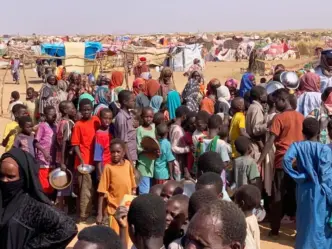
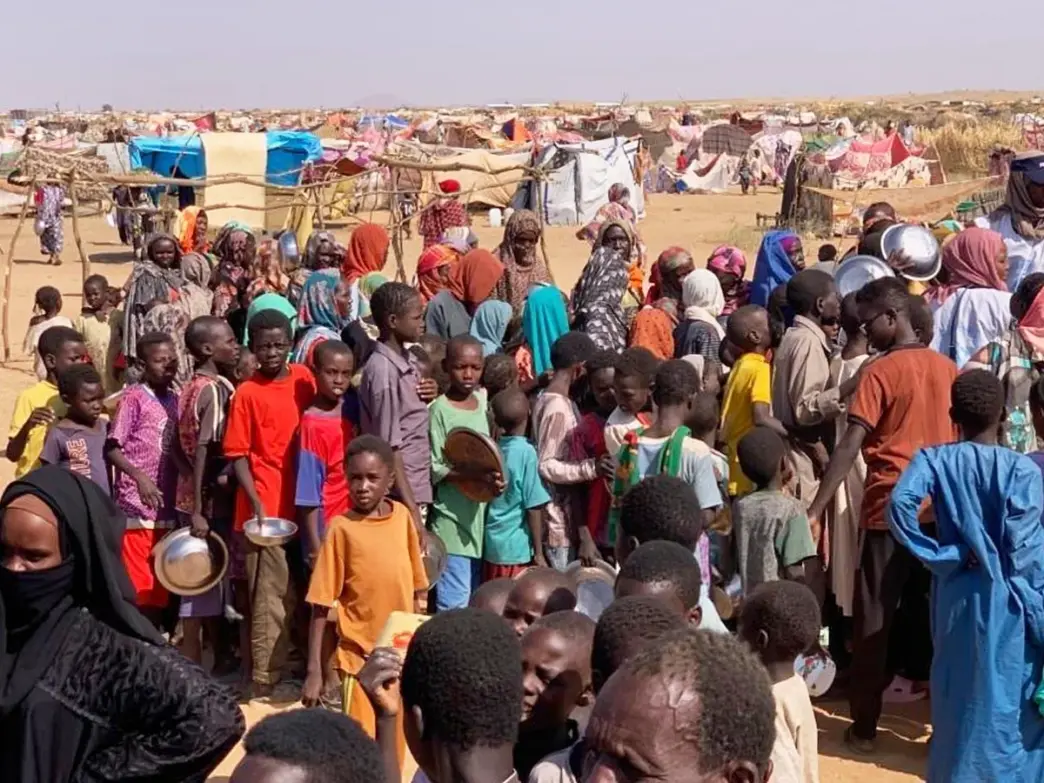
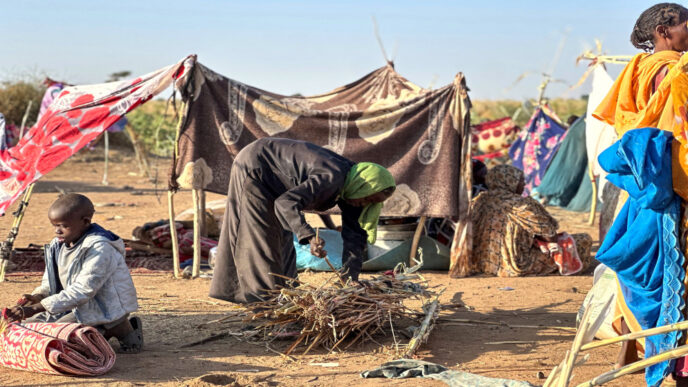
Civilians who remain in Sudan’s western city of El-Fasher after its capture by the Rapid Support Forces are living in deeply traumatic and unsafe conditions, with no access to clean water or sanitation, the United Nations’ top humanitarian official in Sudan, Denise Brown, has said.
Brown, the UN’s humanitarian coordinator for Sudan, told AFP on Monday that residents left behind after the fall of the city are struggling to survive in what she described as the epicentre of the country’s humanitarian catastrophe.
El-Fasher fell to the RSF in October following a siege that lasted more than 500 days. Last Friday, a small UN humanitarian team was able to enter the city briefly for the first time in nearly two years.
Widespread atrocities, including mass killings, torture and sexual violence, reportedly accompanied the takeover. Satellite imagery reviewed by AFP appears to show the presence of mass graves across parts of the city.
Brown described El-Fasher as resembling a “crime scene” but said that investigations into alleged abuses would be led by human rights specialists, while humanitarian agencies prioritise reaching survivors with urgently needed aid.
“We were not able to see any detainees, although we believe there are detainees,” she said.
From a humanitarian perspective, Brown stressed that El-Fasher remains the focal point of suffering in Sudan. Once home to more than one million people, the city is now facing famine, with much of its infrastructure destroyed.
“El-Fasher is a ghost of its former self,” she said. “We don’t yet have enough information to know exactly how many people remain, but large areas of the city have been destroyed, and many homes are no longer standing.”
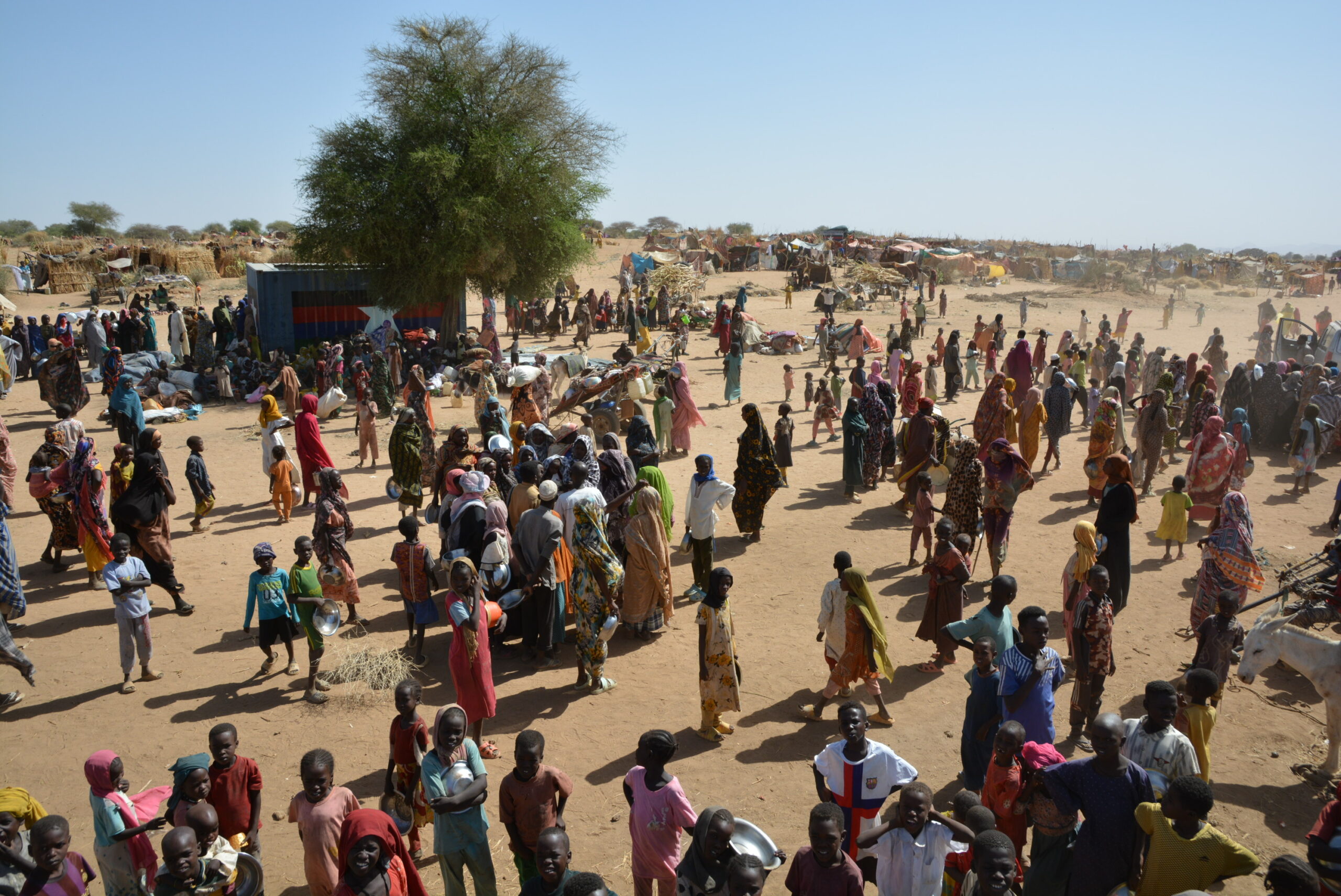
“These people are living in very undignified and unsafe conditions,” Brown said. “There is no sanitation, no water, and virtually no protection.”
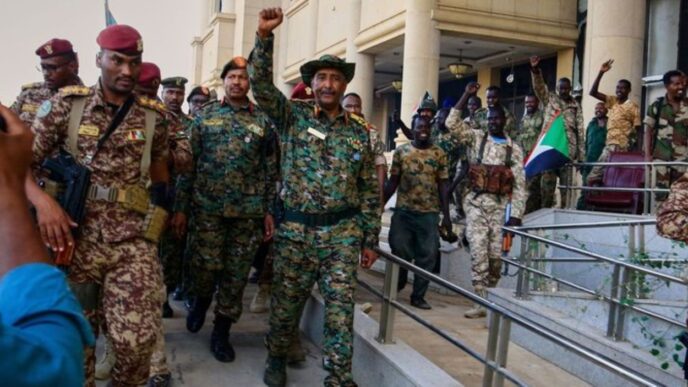
Sudan has been engulfed in war since April 2023, when fighting erupted between the national army and the RSF, former allies whose power struggle has plunged the country into chaos.
Brown said UN officials had engaged in difficult negotiations with the RSF to secure access to the city. The visit, however, lasted only a few hours and was heavily restricted due to concerns over unexploded ordnance and landmines left behind after nearly two years of fighting.
The team was able to inspect a hospital and abandoned UN facilities. The Saudi hospital was still operational to a limited extent, with some staff present, but had run out of medical supplies.
“There was only one small market functioning,” Brown said. “It was selling produce from nearby areas—tomatoes, onions, potatoes—but in very small quantities, which shows that people simply cannot afford more.”
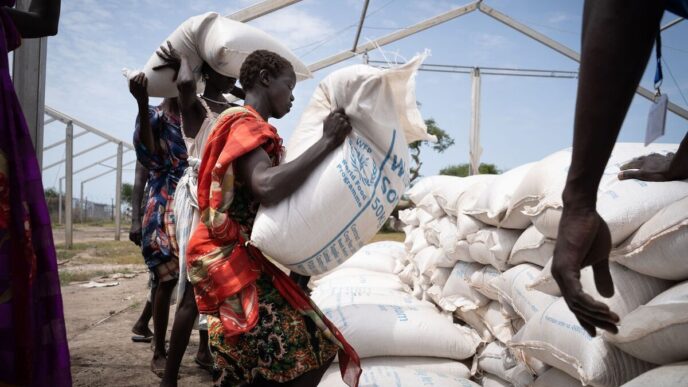
She emphasised that a famine has already been declared in El-Fasher and that aid agencies have been prevented from accessing the city for months.
“There is nothing positive about what has happened in El-Fasher,” Brown said. “This mission was about seeing whether we could get in and out safely and understanding who remains in the city and what conditions they are living in.”
The conflict in Sudan has killed tens of thousands of people, displaced around 11 million, and triggered what the United Nations has described as the worst humanitarian crisis in the world.