Trending
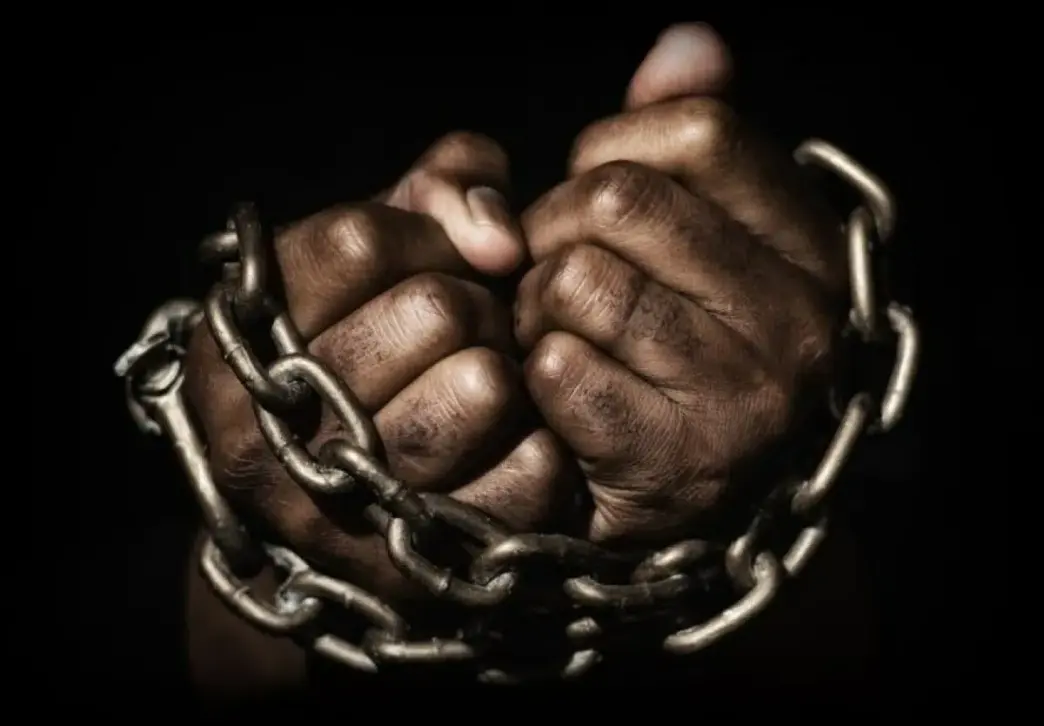
In a historic move, the United Nations General Assembly on Wednesday designated the transatlantic African slave trade as “the gravest crime against humanity,” marking a significant step towards healing and potential reparations for descendants of those affected.
The resolution was adopted with overwhelming support, passing with 123 votes in favour, three votes against, from the United States, Israel, and Argentina, and 52 abstentions, including Britain and several European Union members.
UN Secretary-General Antonio Guterres emphasised the profound impact of the transatlantic slave trade, describing it as a violation that “struck at the core of personhood, broke up families, and devastated communities.” He also condemned the ideology used to justify slavery, noting that its proponents constructed a “racist ideology, turning prejudice into a pseudoscience.”
The resolution is not just an acknowledgement of the historical atrocity, but a call for restorative justice. The document urges nations involved in the slave trade to engage in a process of reparative justice, taking responsibility for their role in the horrific practice.

Ghana’s President John Mahama, a vocal advocate for reparations, was present at the UN to show support for the resolution.
“Today, we come together in solemn solidarity to affirm truth and pursue a route to healing and reparative justice. The adoption of this resolution serves as a safeguard against forgetting,” he said.
The resolution also addressed the enduring legacy of slavery, highlighting the persistence of racial discrimination and neo-colonialism that continues to affect societies today.
By officially recognising the transatlantic slave trade as a crime against humanity, the UN has opened the door to further discussions on reparations and the need for reconciliation in the wake of centuries-old injustices.