Trending
Speaking at a press briefing on Monday, Dominguez said international law guarantees freedom of navigation through key global waterways, warning against any attempt to block access.
He explained that under international law, countries are not permitted to deny vessels passage through international straits used for global transit.
“In accordance to international law, no country has the right to prohibit the right of innocent passage or the freedom of navigation through international straits that are used for international transit,” Dominguez said.

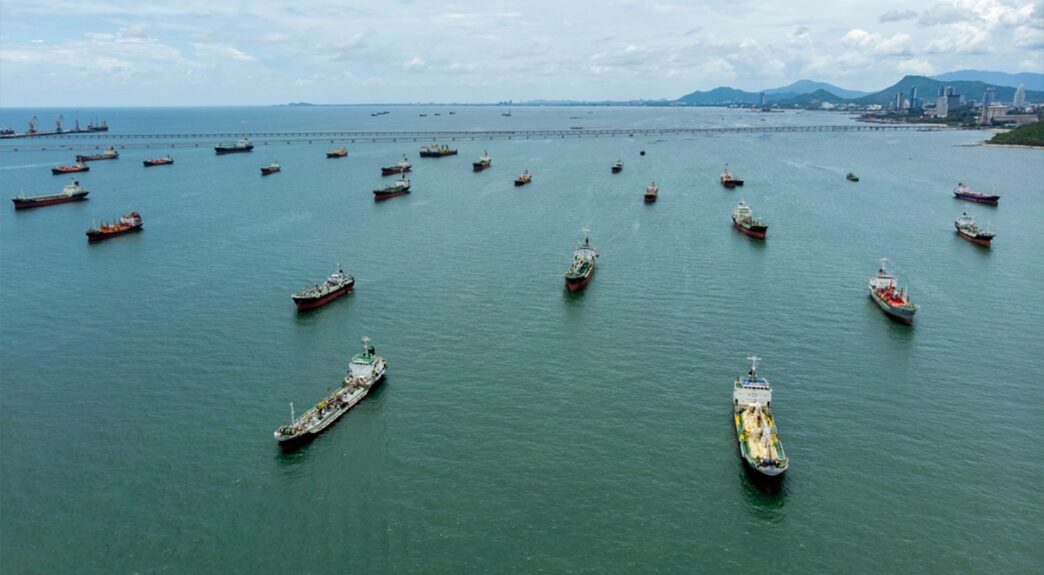
His comments come as access to the Strait of Hormuz remains severely limited, weeks after hostilities between the United States, Israel and Iran escalated, disrupting one of the world’s most critical oil shipping routes.
Dominguez also criticised reports that vessels are being charged to pass through the strait, noting that imposing tolls on international waterways violates established maritime laws and norms. He warned that such actions could set a dangerous precedent if allowed to continue.
“This principle of introducing a toll on an international strait for international navigation is against the international law of the sea and the customary law,” Dominguez said.
On the reported United States threat to impose a blockade on Iranian ports, the IMO chief said the move would further complicate an already tense situation, stressing that easing tensions remains the most effective path to restoring normal shipping operations.
“De-escalation is what is going to start helping us to address the crisis and to bring shipping back to the way that we used to operate.”
He, however, downplayed the potential impact of an additional blockade, noting that only a limited number of vessels are currently transiting the route, meaning further restrictions may not significantly worsen the disruption.